Tiếng Việt
Description of Cinnamon
Cinnamon is one of the oldest spices in the world. It was mentioned in the Bible and used in ancient Egypt not only as a flavoring for beverages and a medicinal ingredient but also as an embalming agent. Cinnamon was once considered extremely valuable so much so that it was regarded as more precious than gold.
Cinnamon is the brownish-red inner bark of the cinnamon tree, which curls into tubular rolls called “quills” when dried. There are two main types of cinnamon: Ceylon and Cassia. Ceylon cinnamon has a sweeter and milder flavor, while Cassia is stronger and more pungent. Ceylon cinnamon is generally preferred for its delicate taste and higher price, and it is also considered safer for regular consumption compared to Cassia.
Enegertics of Cinnamon
Cinnamon is an herb with warming and drying properties, making it particularly beneficial for individuals with a cold, damp, and sluggish constitution—those who often feel tired, lack energy, or experience cold hands and feet
The energetic nature of cinnamon is moderately warm, not as hot as ginger, which makes it suitable for almost everyone. People with a cold and damp constitution are encouraged to use it regularly and in larger amounts, especially during cold seasons. Those with a hot and dry constitution should consume it occasionally and in moderate quantities.
Health benefits of Cinnamon
An interesting feature of cinnamon is that it is both a warming, spicy herb and at the same time has a deep, pleasant sweetness. Very few pungent or spicy herbs possess such a naturally sweet flavor as cinnamon.
The warm and spicy nature of cinnamon, combined with its stimulating effect and ability to enhance blood circulation, makes it highly effective in warming the body and relieving symptoms of colds and flu. Additionally, cinnamon gently thins the blood and improves blood flow, making it beneficial for treating chills—conditions where one experiences internal heat but shivering or coldness on the outside—as well as cold hands and feet, sluggishness, and a sense of heaviness in the body.
The sweetness of cinnamon helps provide energy, nourish and balance the body, reduce stress, and calm the mind. Its deep sweetness, along with its gentle warmth and circulatory benefits, also supports better sleep. If you wake up in the middle of the night, drinking a cup of warm cinnamon tea can help you fall back asleep more easily.
Cinnamon possesses strong anti-inflammatory and antibacterial properties, which make it useful in treating infections such as arthritis, sore throat, and intestinal inflammation. It is particularly effective in promoting oral health—helping with gum inflammation, toothache, and bad breath. Its strong antibacterial quality is evident in practice: for example, a cup of cinnamon tea can be left at room temperature for 4–7 days without developing an unpleasant odor or signs of spoilage.
Cinnamon supports digestion and metabolism, helping the body absorb nutrients more efficiently. It also soothes many digestive issues, including indigestion, bloating, stomach pain, and diarrhea.
Cinnamon is highly beneficial for people with diabetes, as it significantly helps lower blood sugar and insulin levels, promoting healthy glucose balance.
It also supports weight loss by stimulating metabolism, enhancing calorie burning, and providing a naturally sweet flavor that supplies energy with few calories, helping create a feeling of fullness.
Moreover, cinnamon helps reduce blood pressure and cholesterol, protects cardiovascular health, and strengthens the immune system due to its richness in minerals such as iron, calcium, and manganese.
Bottom of Form
How to use Cinnamon
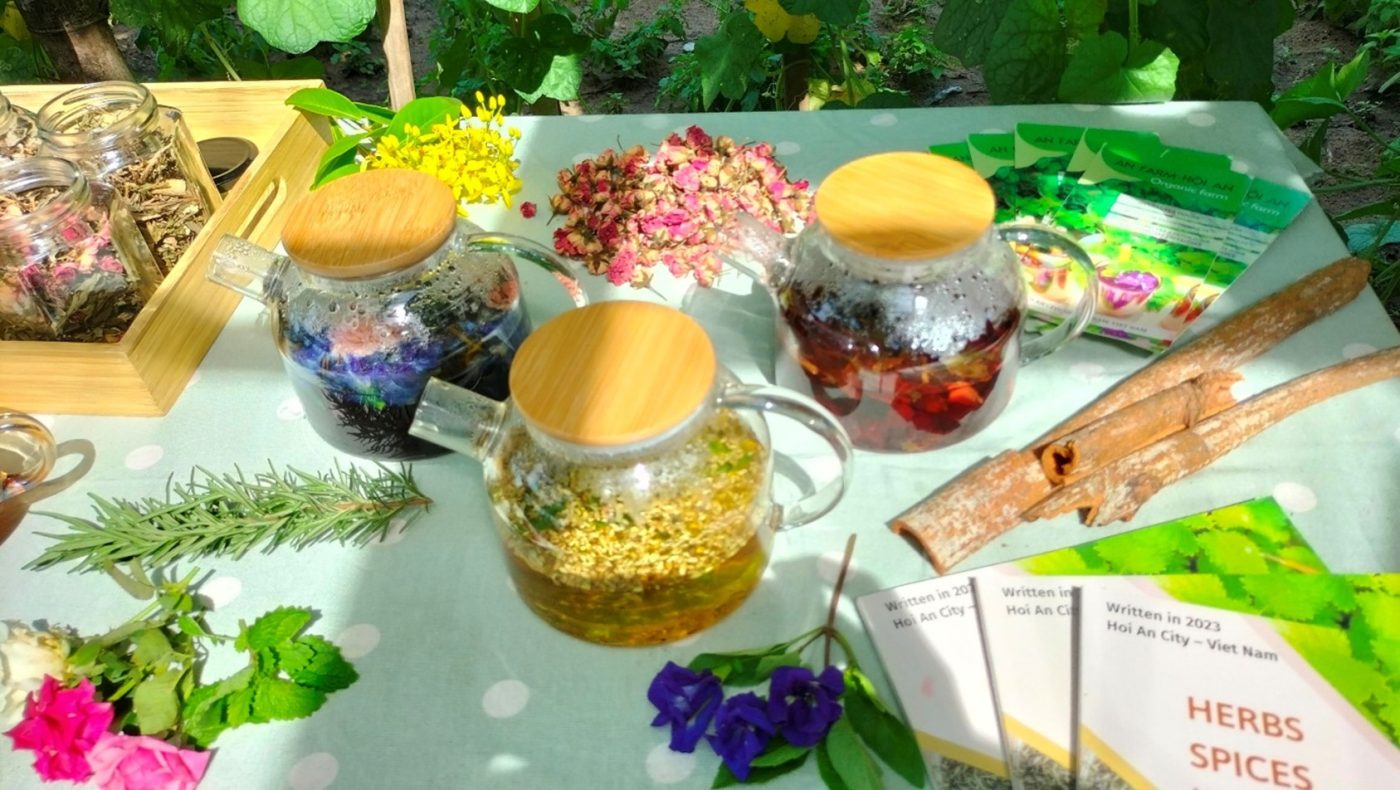
You can use cinnamon directly for making tea, beverages, cooking, or baking, with a daily intake of about 1–2 grams. When used for therapeutic purposes, the dosage can be increased to 3–4 grams per day, but it should only be taken continuously for about 10 days.
For individuals with a hot constitution, the amount should be adjusted according to the body’s response and the weather conditions.
Ceylon cinnamon can be used regularly, while Cassia cinnamon should be limited to 2–3 times per week or less.
Cinnamon should not be consumed in large amounts during pregnancy.
It should also be avoided when taking anticoagulant medications, as cinnamon itself has mild blood-thinning properties.
You may use either ground cinnamon or cinnamon sticks for cooking or making tea; however, when using cinnamon sticks, they should be boiled or simmered for at least 30 minutes.
When purchasing cinnamon powder or sticks, choose those with a light brown color, as they tend to have better aroma and quality. Avoid products that have turned dark brown, as this may indicate long storage time or improper preservation, which can reduce both flavor and quality.
Cinnamon can also be used as a natural tooth-cleaning agent—either as a substitute for toothpaste or as a mouth rinse by using cinnamon tea to help eliminate bacteria and promote oral health.
In addition, soaking your feet in warm water mixed with cinnamon powder and sea salt can help relax the body, improve blood circulation, and relieve fatigue or muscle soreness
Tips
If you often feel tired, lack energy, or have trouble sleeping deeply, try drinking a cup of cinnamon tea after dinner, or mix one-third of a teaspoon of Ceylon cinnamon powder into a cup of warm milk. Use it regularly for one to two weeks — it can be very beneficial for your body and mind.
Remember: just one-third of a teaspoon of Ceylon cinnamon powder is enough!
How to Grow and Process Cinnamon
You can propagate new cinnamon plants by stem cuttings. Select a healthy branch, remove most of the leaves, and leave only a few at the tip. Plant the cutting in moist, well-drained soil and place it in a warm area with gentle sunlight. The rooting process is slow and usually takes several months before the plant is ready to be transplanted outdoors.
Cinnamon bark can be harvested when the tree is more than five years old. The older the tree, the thicker the bark and the richer its flavor. After drying, cinnamon bark can be stored at room temperature for about one to two years.
To make cinnamon powder, cut the dried bark into small pieces and grind them using a grain or spice grinder. It is best to use the cinnamon powder within six months to preserve its aroma and quality.
Products containing cinnamon from our farm
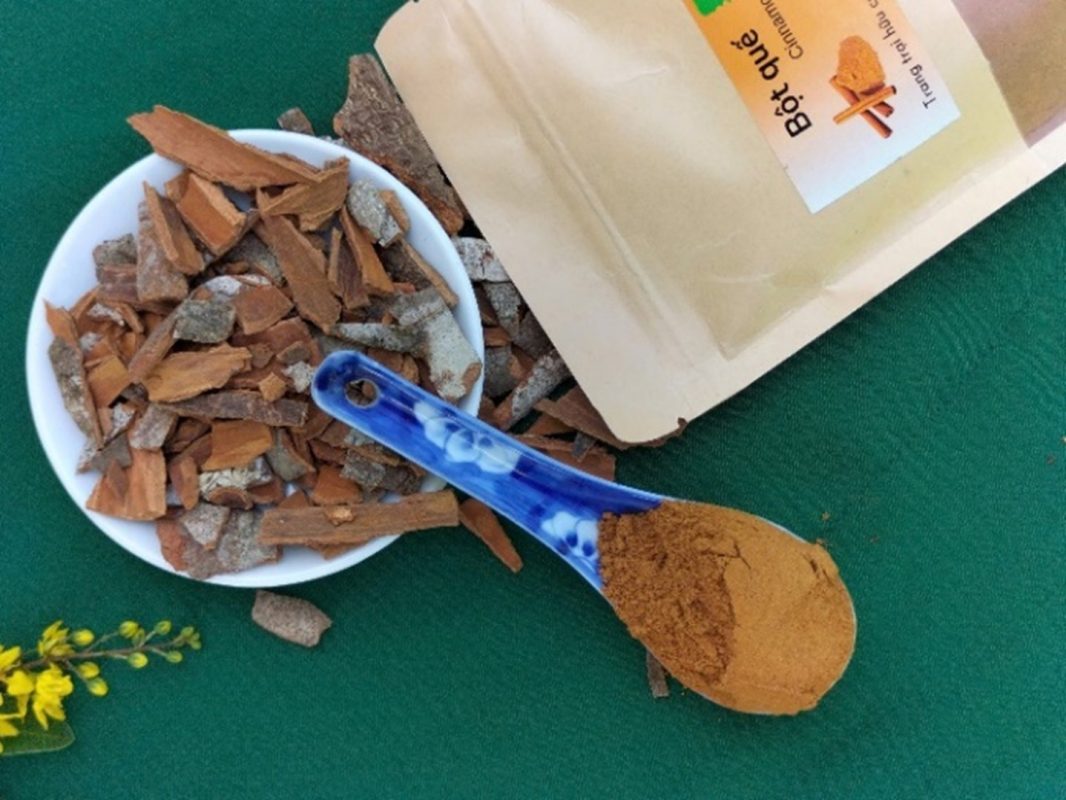
- Cinnamon powder
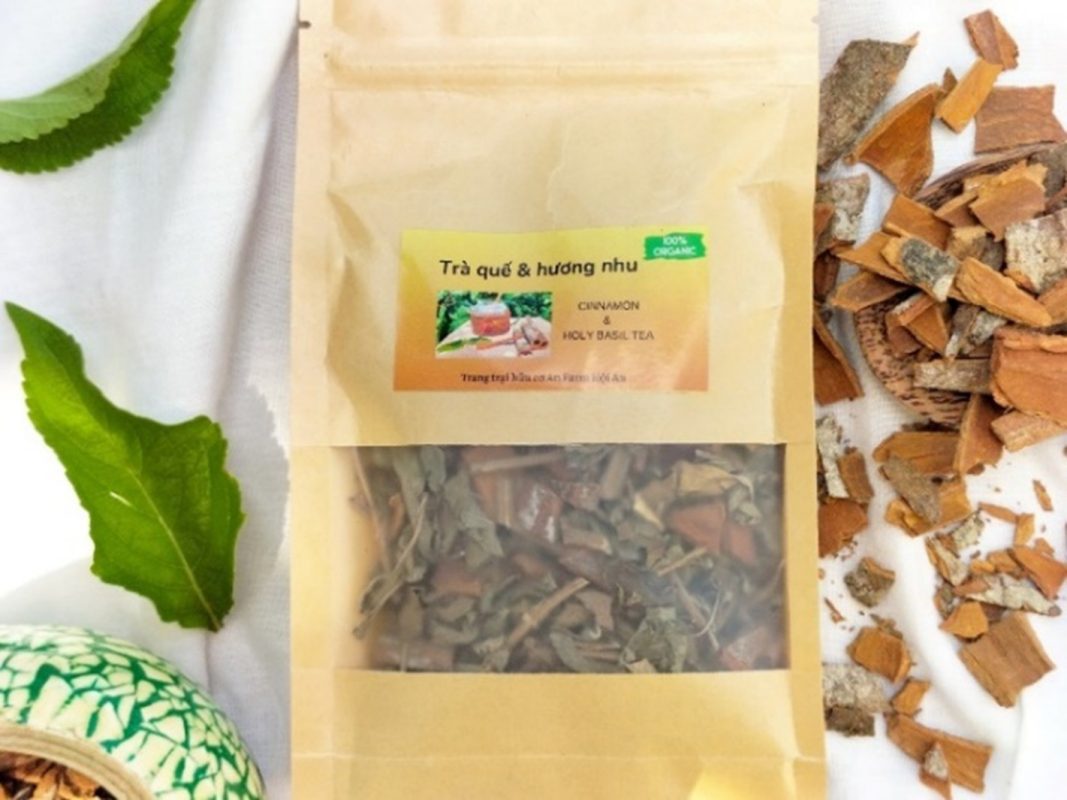
- Cinnamon and holy basil tea
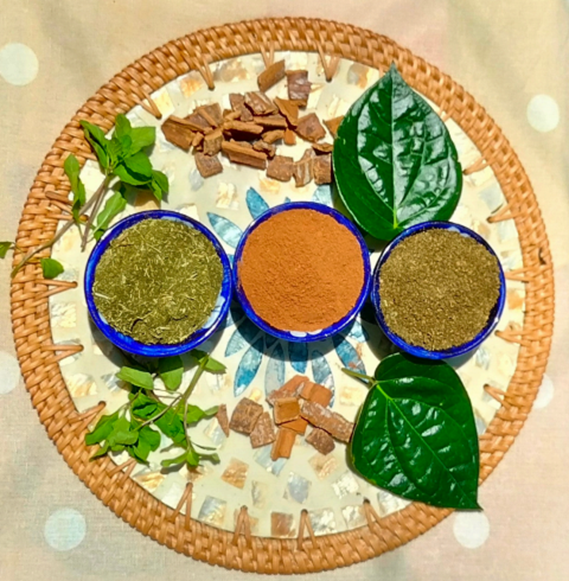
- Herbal toothcare powder (mix of cinnamon, peppermint and bettel leaf)