Tiếng Việt
Description
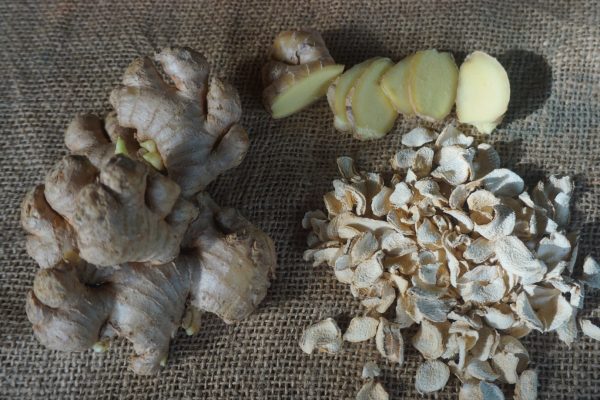
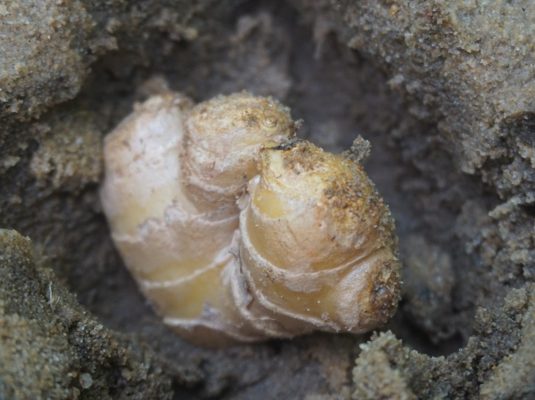
Ginger originates from the lush lands of Southeast Asia, where it continues to add warmth and spice to local dishes. For thousands of years, this remarkable herb has been cherished around the world. Beneath the soil, the ginger plant grows its fragrant rhizome—its flesh may be yellow, white, or red depending on the variety, all wrapped in a thin, yellow skin.
Enegertics of Ginger
Ginger is hot & dry herbs, so it is best used in people with signs of coldness, dampness, sluggish, cold hands and feet.
People with a warm and dry body constitution can still consume ginger, but in small amounts and it’s better to take it in the morning when their body colder than other time in day.
Ginger is an herb that should be used regularly during cold seasons to help warm the body from within. In areas with high humidity, using ginger can help balance internal energy, thereby reducing seasonal illnesses like colds, flu and sore throats.
Health benefits of Ginger
Ginger is best known for its warm, stimulating energy and its remarkable ability to support circulation. Just one cup of hot ginger tea can make you feel warmth spreading from your core to your fingertips and toes—especially noticeable in the cool morning air.
This happens because ginger helps dilate blood vessels, allowing blood to flow more freely through the body. Better circulation means oxygen and nutrients are delivered more efficiently to every cell, while blockages in blood flow are reduced. That’s also why ginger appears in more than half of traditional Eastern medicine formulas it helps the body absorb healing compounds more effectively.
Thanks to these properties, ginger is often used to help relieve headaches, migraines, cold in the hands and feet, cardiovascular issues, colds, flu, sinus congestion, and menstrual cramps related to stagnation or coldness. It supports the body’s natural flow of energy and blood, which is essential for overall health and vitality.
Beyond circulation, ginger is also a powerful natural anti-inflammatory. Modern studies show that it can help reduce chronic inflammation associated with arthritis, rheumatism, sore throats, sinusitis, digestive tract inflammation, and even certain infections.
Ginger’s benefits extend to the digestive system as well. It helps ease bloating, heaviness, indigestion, acid reflux, constipation, nausea, and diarrhea. By gently stimulating digestive activity, ginger helps the stomach and intestines work more efficiently, leaving you feeling lighter and more comfortable.
In short, ginger is more than a spice—it’s a healing herb that warms, energizes, and supports the body from within.
How to use Ginger
You can use ginger directly in making tea, drinking water or cooking or baking with a dosage for normal people is:
- Fresh ginger: 7 to 15 grams per day
- Dry ginger: 1to 3 grams per day
- For people with hot energetic, you can reduce the amount used per day depending on the body’s response.
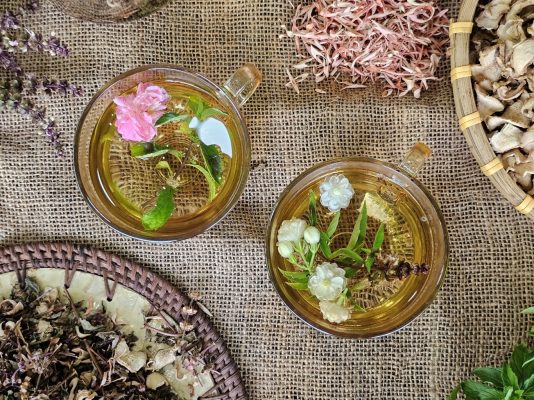
The easiest way to use ginger, in my experience, is to always have a jar of dried ginger powder or dried ginger slices on hand. You can make ginger tea by combining it with honey, lemon, or other herbs such as mint, rosemary, perilla, stevia, rose, jasmine, lavender, etc. Each herb paired with ginger creates a unique tea flavor and offers different health benefits. This approach will encourage you to use ginger regularly to boost health, particularly by enhancing blood circulation and body fluid movement, a crucial factor in ensuring that everything inside the body receives enough oxygen and nutrients.
In addition, ginger can be used as an herbal medicine to apply to the skin. It helps reduce bone inflammation, muscle inflammation, bone and joint pain, reduces blood vessel congestion, reduces headaches and helps blood circulation. For external use, you can soak ground ginger with wine or massage oil, then massage onto the skin area that needs support.
Tips
If you want to see the effects of using ginger as well as other herbs, you need to use it regularly or at least continuously for a few days to a week or longer.
For people with a weak immune system, chronic inflammatory issues, and conditions such as chronic pharyngitis, sinusitis, gastric ulcers, osteoarthritis, or muscle pain, it’s recommended to incorporate a daily mixture of turmeric and ginger in a ratio of 2 parts turmeric powder to 1 part ginger powder, along with a small amount of black pepper (3% – 5%).
How to Grow and Process Ginger
To grow ginger successfully, you need a warm and sunny climate that lasts at least six to eight months. Ginger prefers fertile, clay-rich soil and moderate sunlight. Sandy soil combined with intense, direct sunlight can slow its growth and cause the leaves to burn.
The growing period from planting to harvest usually takes about seven to nine months.
To plant, simply mix the soil with compost and keep it moist by watering for three to five days. Then place a whole ginger root or even just a piece of it into the soil at a depth of about 10 centimeters. Cover the surface with a layer of leaves about 5 centimeters thick. Water every two days or so; ginger does not need too much water, so avoid watering too frequently.
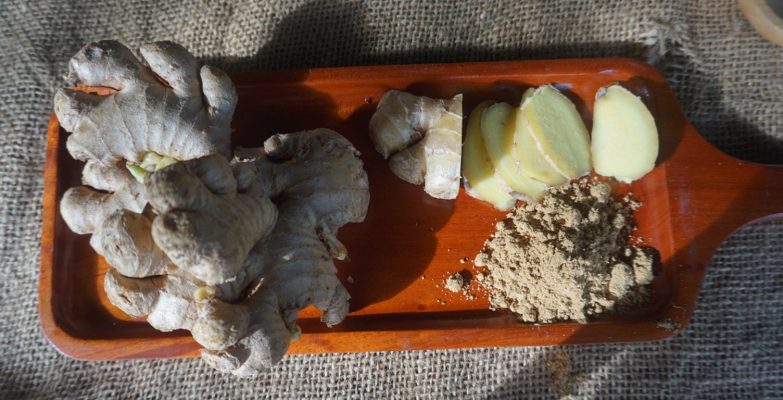
When it’s time to harvest, wash the ginger thoroughly. Slice it into pieces about 0.5 centimeters thick (it’s best to keep the skin on), then dry the slices under sunlight or with a dehydrator. Store dried ginger in a bag or glass jar at room temperature it can last for a year or more.
If you prefer ginger powder, use a grain grinder to grind the dried slices. For the best aroma and quality, use the powder within six months.
Products containing ginger from our farm:
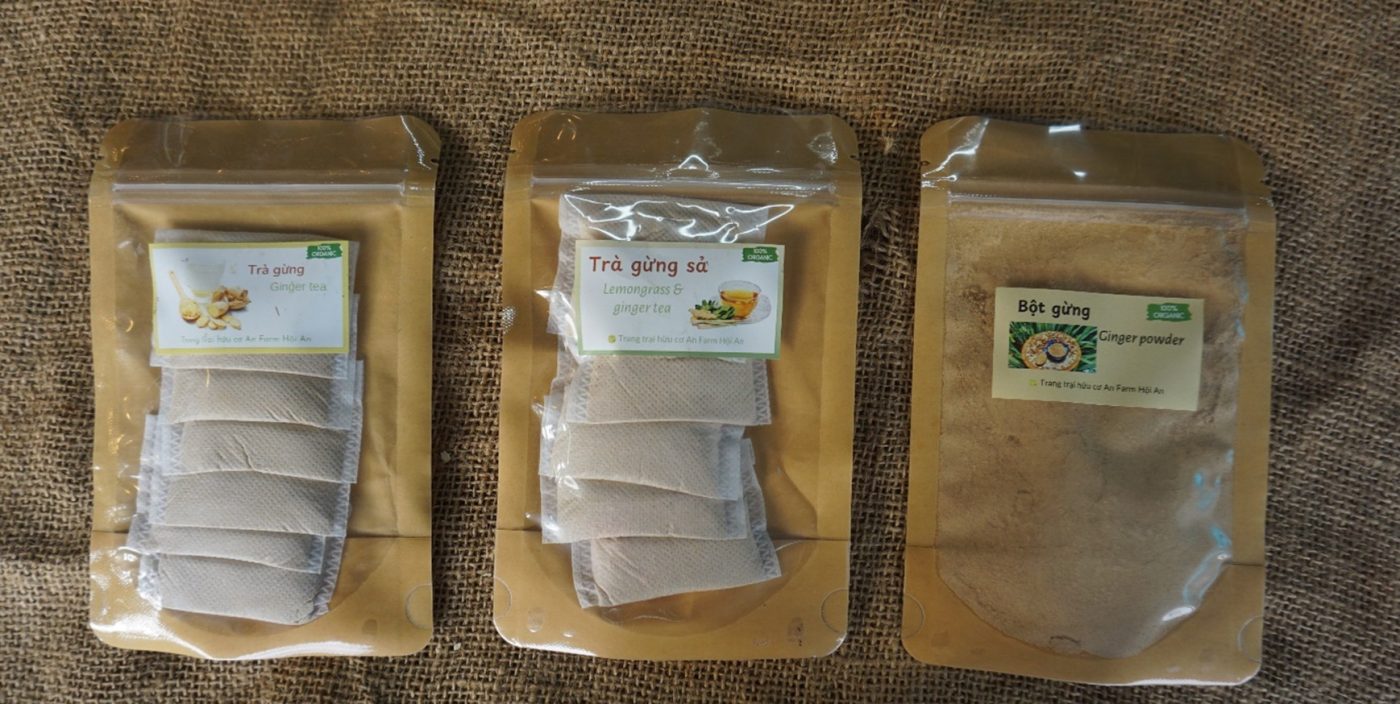
- Ginger powder
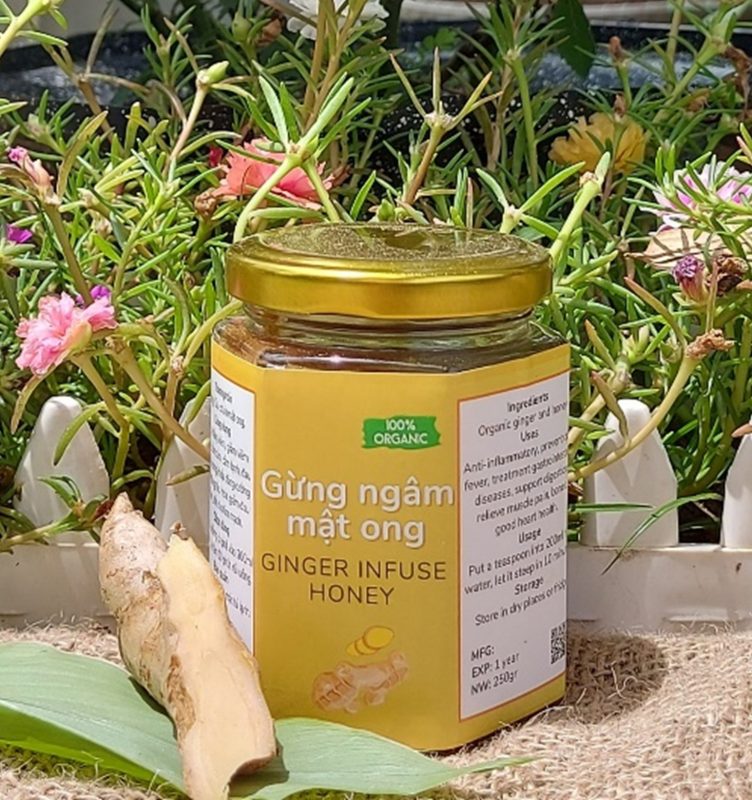
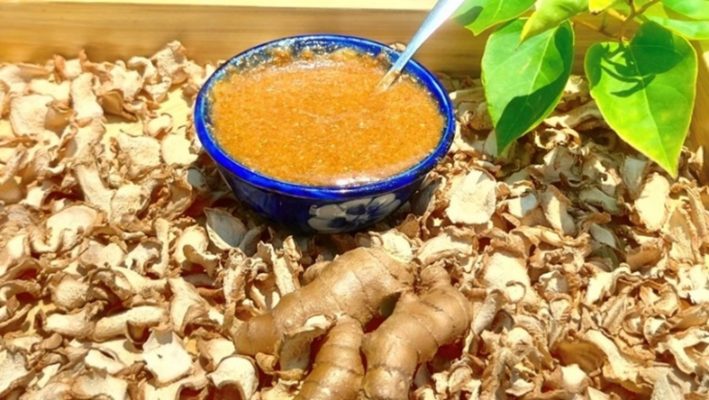
- Ginger infuse honey
- Ginger and lemongrass tea
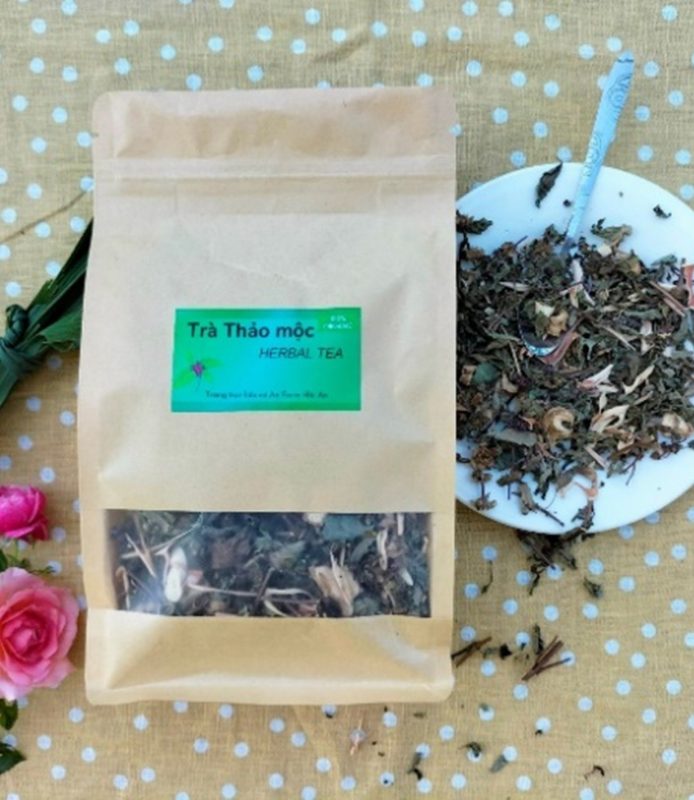
- Herbal tea (Mix of ginger, lemongrass, cinnamon basil and peppermint)
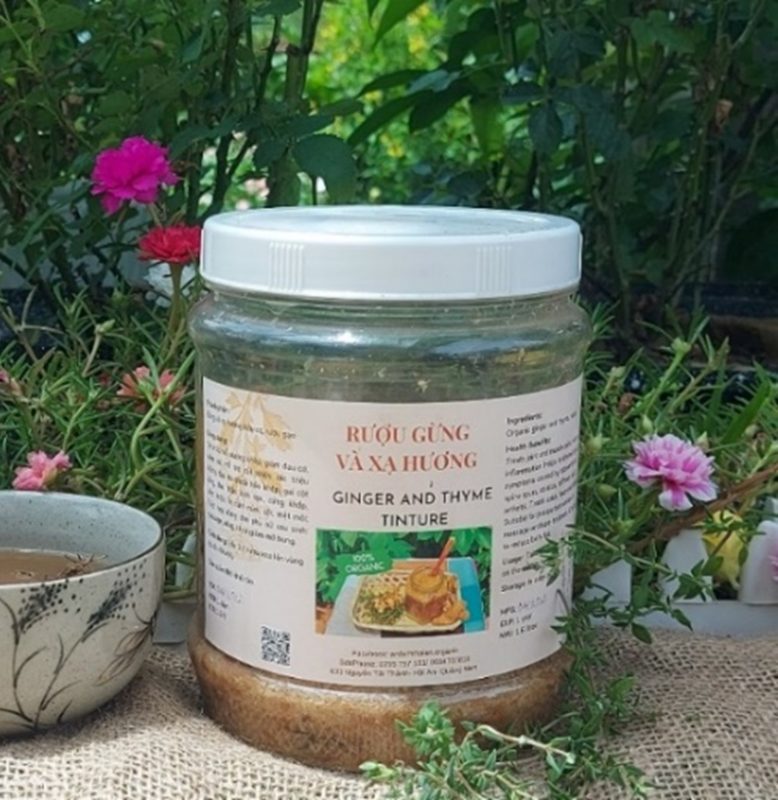
- Ginger and Thyme Tincture