Tiếng Việt
Roselle (Hibicus)
“A gift of nature for beauty”
Description of Roselle
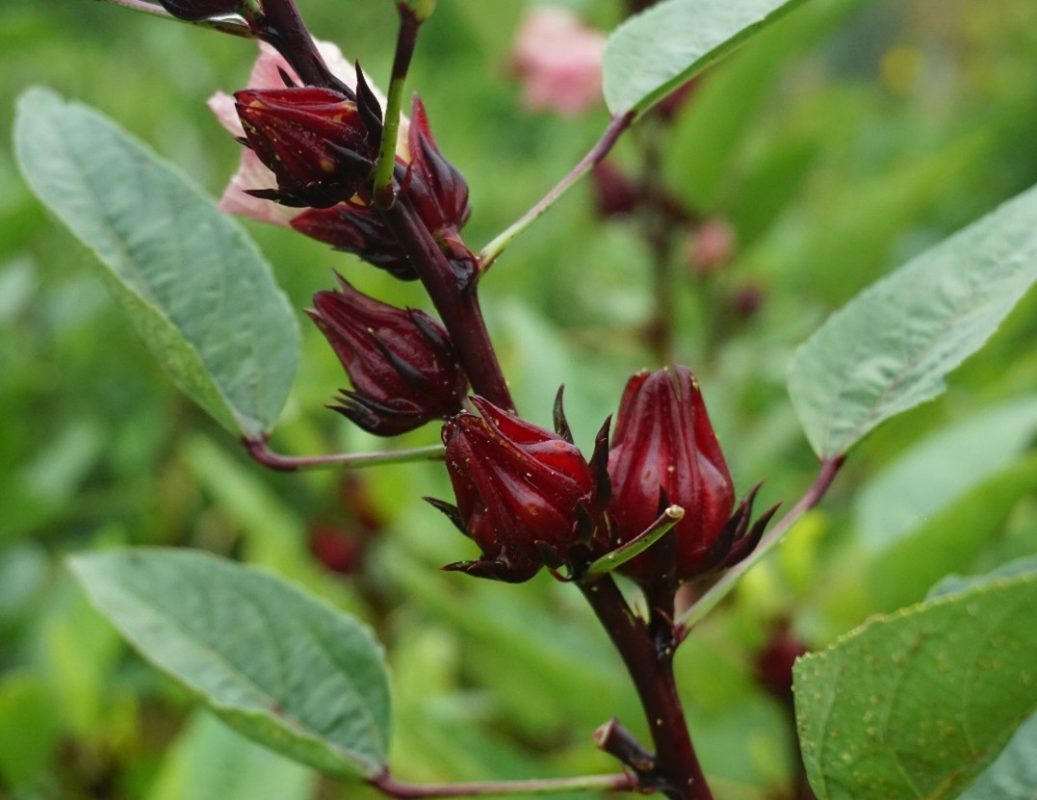
Roselle (Hibiscus sabdariffa L.) originates from Africa, particularly West Africa, before becoming widely cultivated in tropical regions such as Asia and the Americas.
This herbaceous plant grows 1–2 meters tall, featuring deep red stems and calyces, green lobed leaves, and solitary pale pink flowers. The fleshy red calyx is commonly used to make tea, syrups, jams, and herbal preparations. The leaves have a sour flavor, and young leaves can be used in salads or cooked in soups.
Enegertics of Roselle
Roselle has a naturally sour flavor and cooling properties, making it particularly beneficial for individuals with heat-prone body constitutions. It also serves as an excellent hydrating and refreshing beverage during hot summer conditions.
Health benefits of Roselle
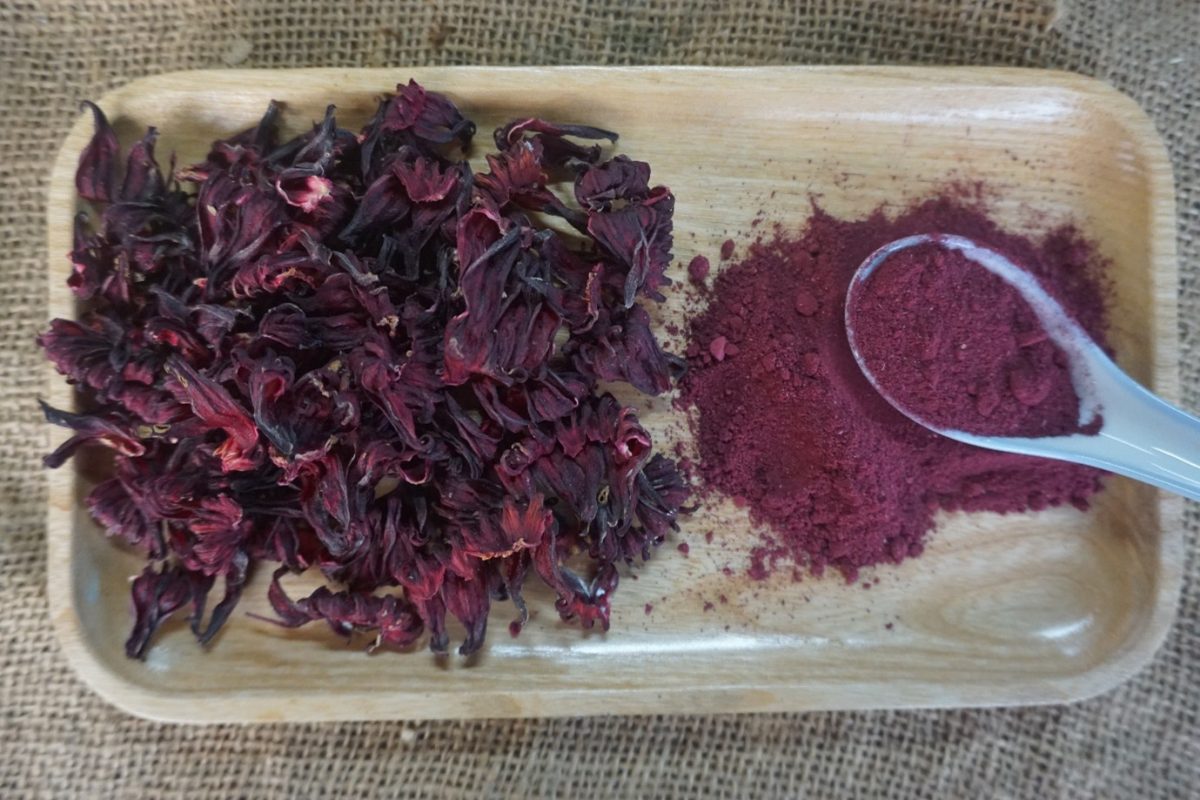
The red calyx of roselle is considered a natural gift for beauty, as it helps improve skin health, slow down aging, reduce body fat, support weight loss, and nourish the blood. These remarkable benefits come from its deep red color and distinct sour taste.
The vibrant red color of the roselle calyx is rich in anthocyanins, a group of compounds with strong antioxidant activity. These antioxidants help protect cells from oxidative damage, thereby slowing the aging process and contributing to a more youthful appearance.
The sour taste of roselle comes from its abundant vitamin C content. Vitamin C plays an essential role in collagen synthesis, which is one of the most important factors in maintaining firm, elastic, and healthy skin while reducing signs of aging. Since vitamin C is excreted daily primarily through urine consuming vitamin C rich fruits and herbs regularly is important for maintaining youthful skin.
Roselle is also one of the herbs with well-established scientific evidence supporting its ability to reduce blood lipids, assist weight management, and protect cardiovascular health. Specifically, it helps lower LDL (“bad”) cholesterol, supports the production of HDL (“good”) cholesterol, and reduces the absorption of sugars and fats.
In addition, roselle helps reduce fat accumulation in the liver, making it beneficial for individuals with fatty liver.
It can also help lower blood pressure, supporting those with hypertension.
The roselle calyx is rich in trace minerals, contributing to overall wellness and supporting healthy blood formation.
How to use Roselle
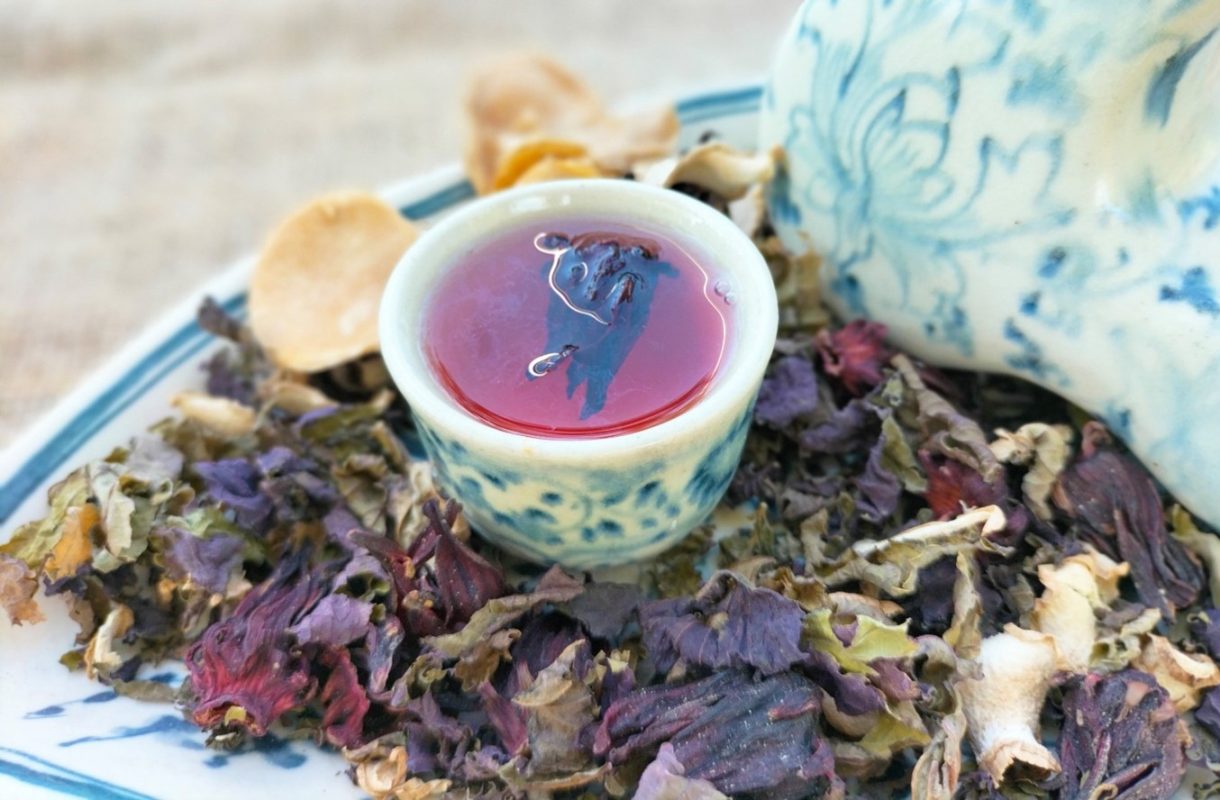
You can use fresh or dried roselle calyces directly in tea preparation, beverages, cooking, or making jams and desserts. They naturally provide a red color and a pleasantly tart flavor.
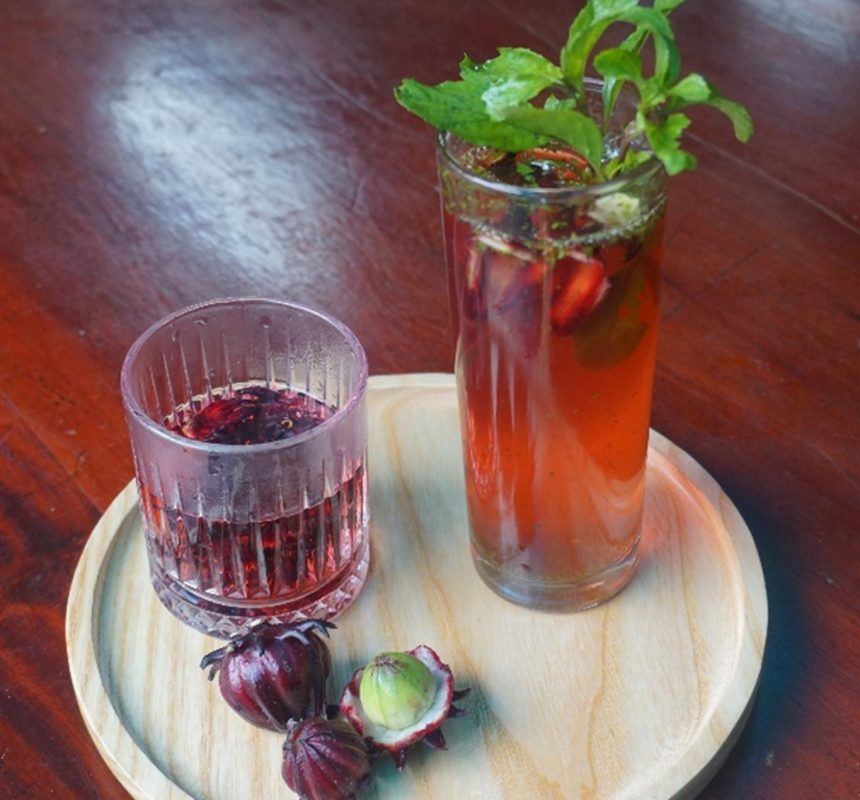
During hot summer months or whenever your body feels overheated, drinking roselle tea or roselle juice is highly beneficial. Roselle helps cool the body, provides vitamin C and essential trace minerals, and therefore serves as an excellent beverage for hydration and heat relief in the summertime.
Tips
To support healthy skin and body shape, it is advisable to consume roselle 3–4 times per week. A typical serving consists of 5–7 g of dried roselle calyces or approximately 50 g of fresh roselle. It is best consumed during the daytime rather than at night, as roselle is naturally rich in vitamin C.
How to Grow and Process Roselle
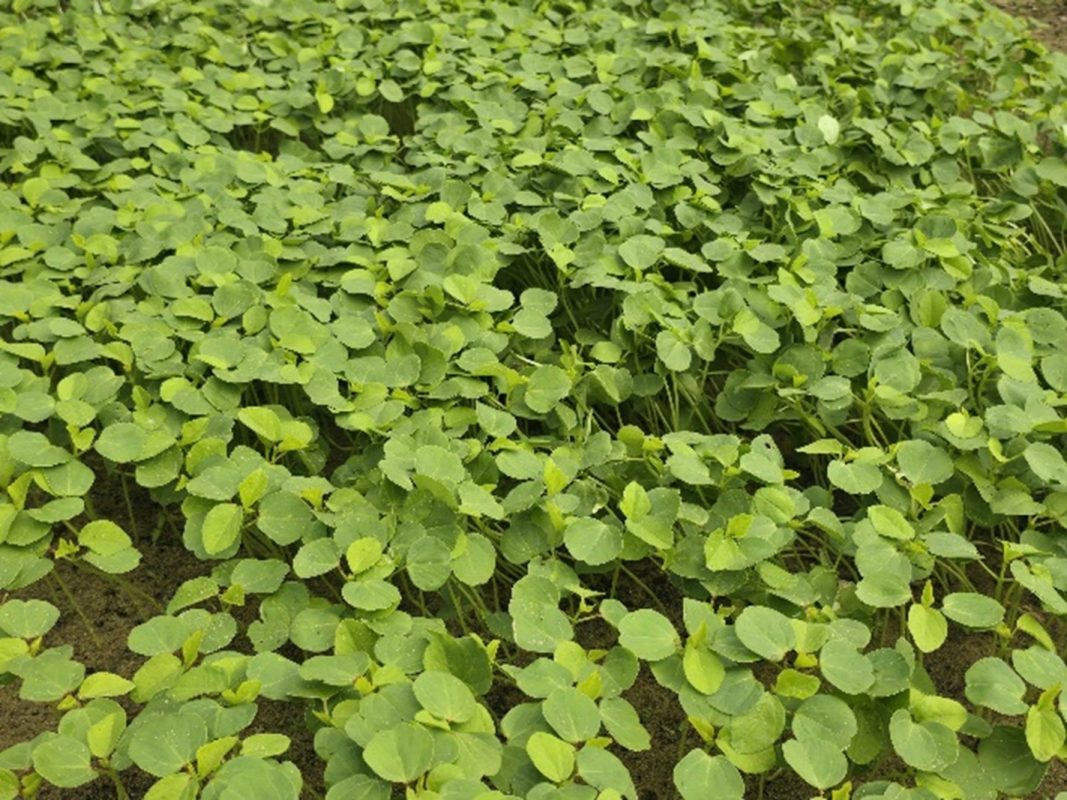
Roselle is propagated from seeds. You can germinate the seeds in trays, small pots, or directly in moist soil. After about one week, the seeds will sprout into seedlings. Allow the seedlings to grow for about one month until they become sturdy and reach approximately 10 cm in height, then transplant them into the garden.
It is recommended to plant two to three seedlings together in one spot to form a small clump. This allows the plants to support each other, reducing the risk of being uprooted by wind and helping them grow more vigorously. The distance between clumps should be about 50 cm.
Roselle thrives in sunny, well-ventilated areas, so it should be planted during the sunny season and in locations that receive plenty of sunlight. The plant completes its life cycle within 6 to 8 months, after which it naturally dies back. Mature seeds can be harvested, dried, and stored in bags or jars. When the weather begins to warm, the seeds can be sown again for the next growing cycle.
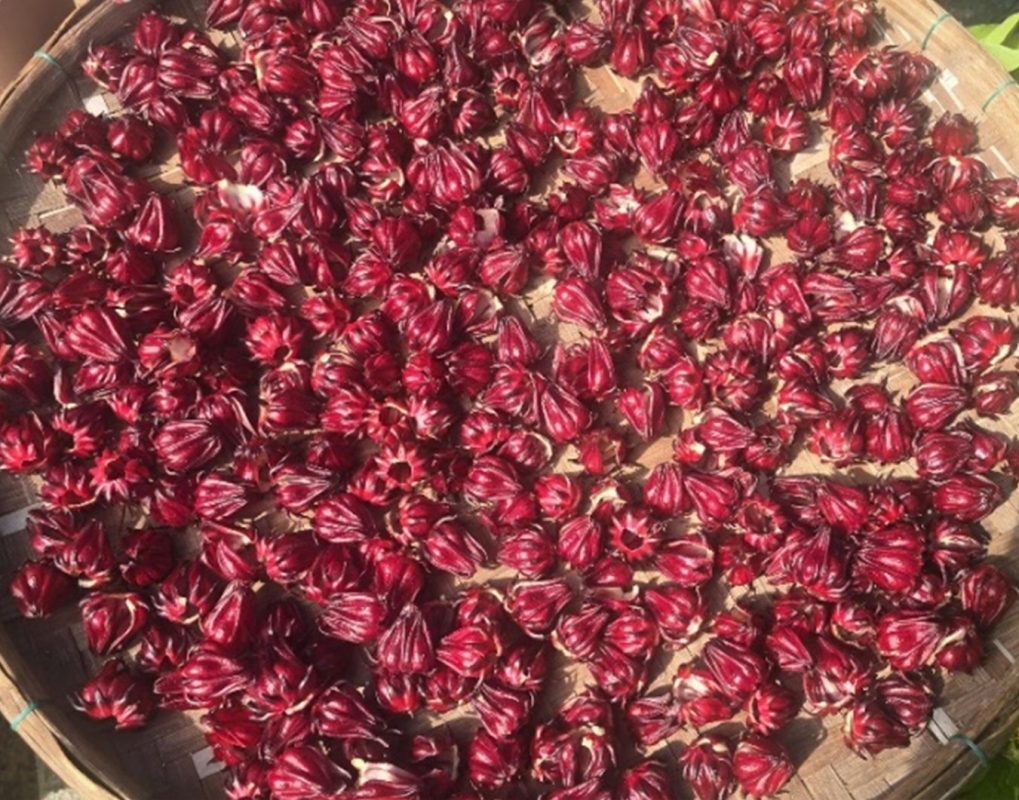
Harvest the red roselle calyces and remove the seeds inside. The fresh calyces can be used to make jams, juices, or dried for tea.
To dry the calyces, use a heat dryer at 60°C, which helps preserve vitamin C. The drying process takes about 15–17 hours, or until the calyces become crisp. Alternatively, you can sun-dry them for 5–7 days, until they reach a fully dried, brittle texture.
After drying, store the calyces in airtight glass jars or sealed bags in a cool, dry place. Properly stored dried roselle can be kept for up to one year.
Products containing Roselle from our farm
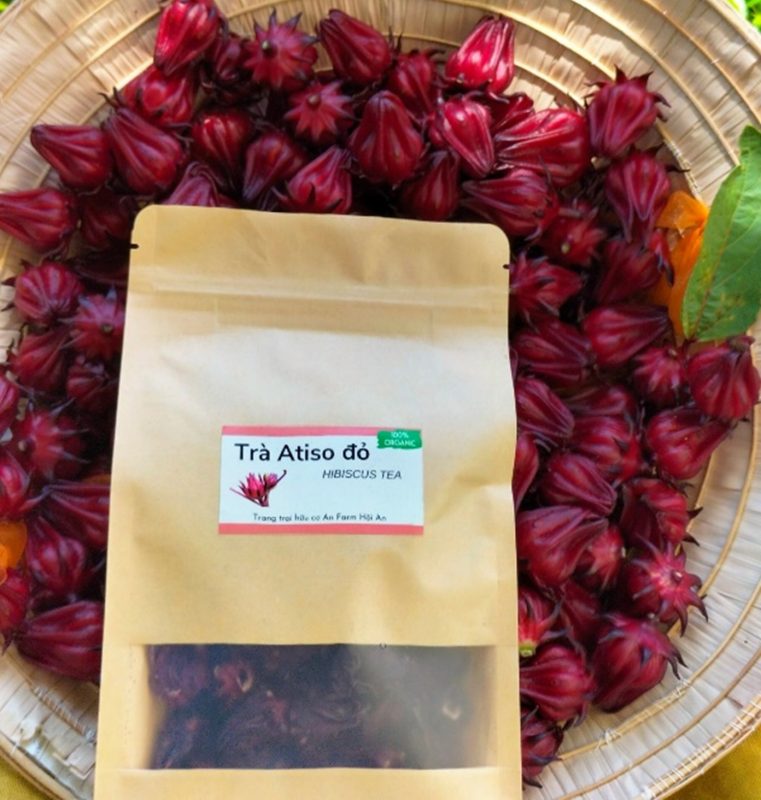
- Hibiscus Tea
- Hibiscus and peppermint tea
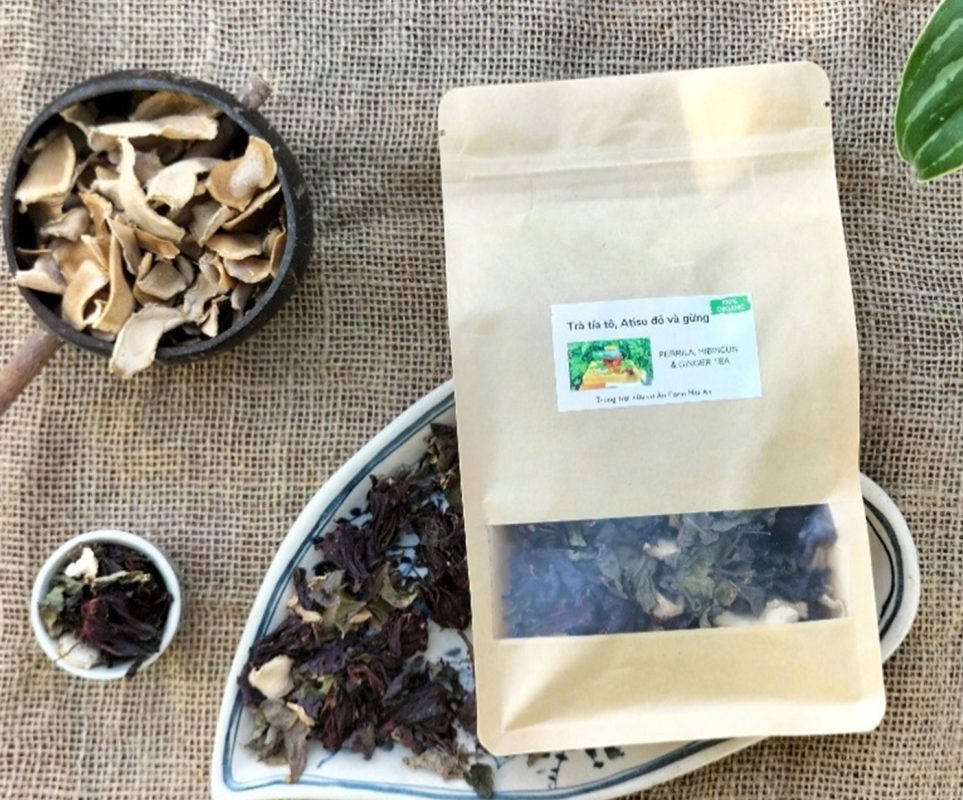
- Perilla, hibiscus and ginger tea
- Hibiscus Jam with cinnamon flavor