


 Tiếng Việt
Garlic – A powerful natural herbal antibiotic
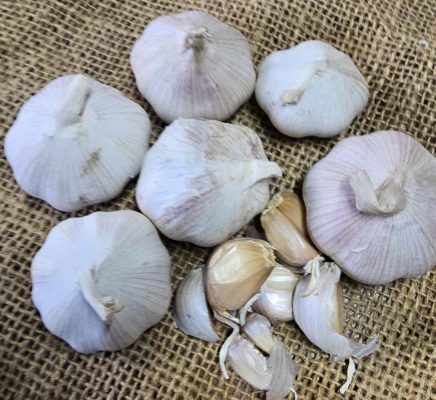
Description of Garlic
Garlic is a familiar herb and spice, well known for its distinctive aroma and strong antibacterial properties. Garlic has been used by humans for more than 5,000 years in cuisine and traditional medicine in Egypt, India, and China. Throughout history, garlic was used to enhance endurance, support immunity, and help prevent disease. Today, garlic is still considered one of the most valuable natural herbs for human health.
The garlic plant is a soft-stemmed herb with long green leaves and an underground bulb composed of multiple small cloves covered by a thin papery skin.
Enegertics of Garlic
Garlic is considered to have a very warming and drying energy, making it especially suitable for people with a cold and damp constitution. It may help warm the body, stimulate blood circulation, enhance energy flow, and support the reduction of excess cold and dampness within the body.
However, because its energy is strongly hot and dry, garlic should not be consumed excessively (more than one bulb per day). People with a naturally hot and dry constitution should use it more cautiously, as frequent consumption of one to two bulbs daily may lead to excessive internal heat and dryness, potentially causing unwanted side effects and negatively affecting health.
Health benefits of Garlic
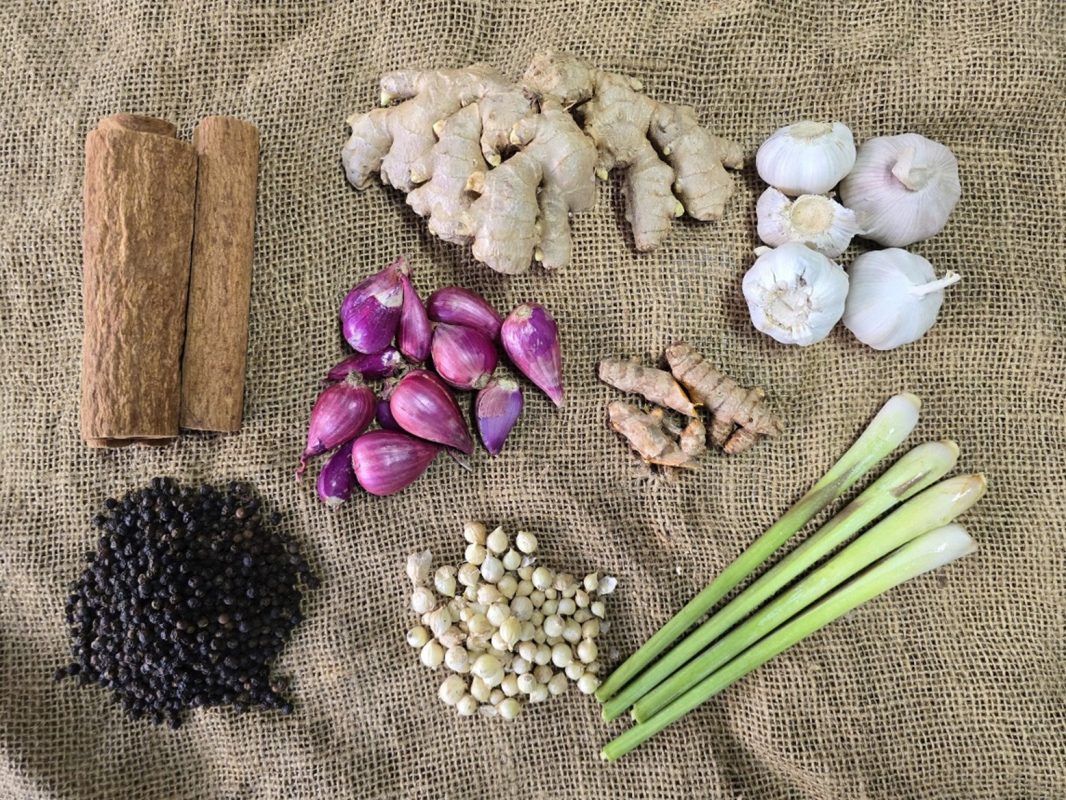
Garlic is well known for its powerful natural antimicrobial properties. When garlic cloves are crushed, chopped, sliced, or chewed and left for about 10–15 minutes, the enzyme alliinase converts alliin into allicin — an active compound capable of inhibiting many types of bacteria, viruses, and fungi.
Allicin can:
- disrupt enzymes essential for bacterial survival,
- interfere with microbial cell membranes,
- inhibit the growth of fungi and certain viruses.
One unique characteristic of allicin is that it acts on multiple biological targets simultaneously, making it more difficult for bacteria to develop resistance compared to some single-target antibiotics.
For this reason, garlic has traditionally been used to support the treatment of infections, respiratory illnesses, colds, flu, and minor skin wounds. During the 17th century, garlic was used in Europe to help combat epidemics. In World War I, garlic-based poultices were applied to soldiers’ wounds in Europe. Garlic oil diluted with water was placed on sterilized gauze and applied directly to injuries, helping save the lives and limbs of thousands of soldiers.
However, describing garlic simply as a “natural antibiotic” is not entirely accurate. When used in moderate amounts, garlic does not destroy beneficial gut bacteria in the same way many pharmaceutical antibiotics can. Because of this, garlic is considered a relatively safe and beneficial natural remedy for supporting the body during infections and helping reduce the risk of secondary infections.
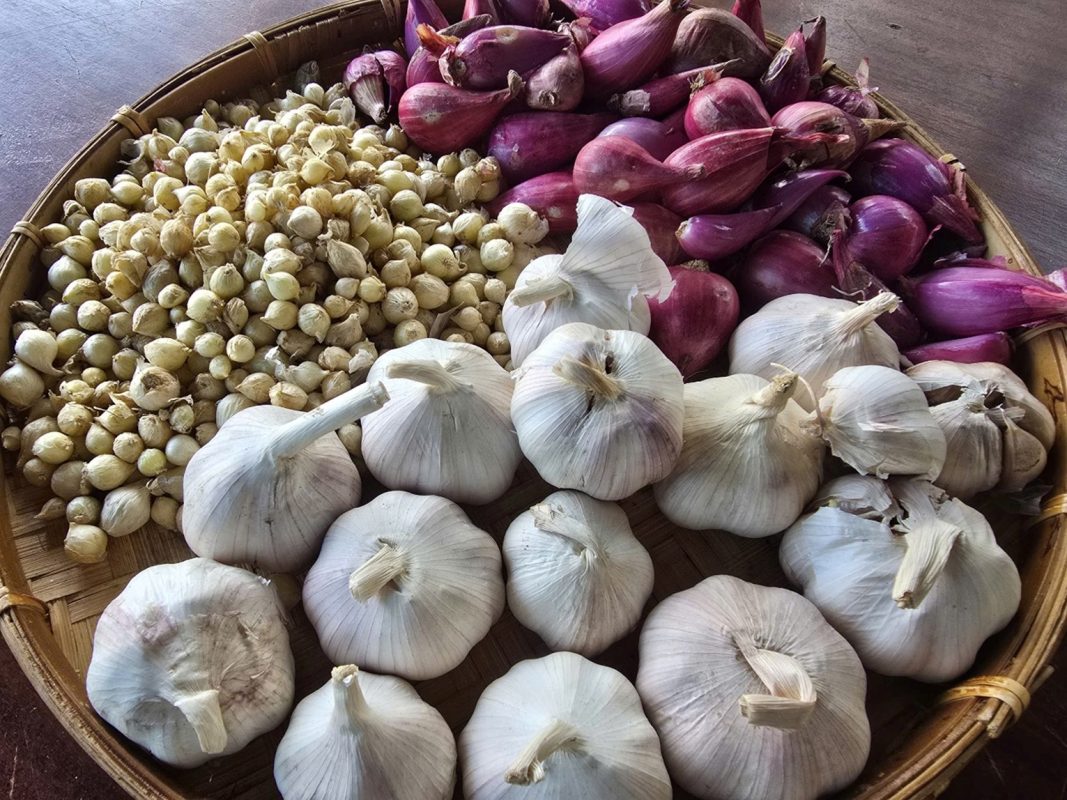
The sulfur compounds and antioxidants found in Garlic help stimulate the activity of immune cells such as macrophages, lymphocytes, and NK (Natural Killer) cells. Combined with its strong anti-inflammatory properties, garlic has long been regarded in many traditional healing systems as a “protective herb” that supports and strengthens the immune system.
Garlic is also widely recognized for its benefits to cardiovascular health, which is considered one of its most important scientifically studied effects. Many meta-analyses suggest that garlic may:
- help reduce mild to moderate high blood pressure,
- lower LDL cholesterol (“bad cholesterol”),
- reduce triglyceride levels,
- support healthy blood circulation.
Regular consumption of garlic may therefore contribute to lowering the risk of atherosclerosis, cardiovascular disease, hypertension, and high blood lipid levels.
In addition, garlic is a highly effective household remedy for respiratory infections, colds, flu, and asthma. Its warming nature, antimicrobial effects, and immune-supporting properties make it especially valuable during respiratory illnesses. Furthermore, the pungent volatile compounds in garlic may help relieve congestion in the respiratory tract and lungs, loosen mucus, and stimulate sweating. Many epidemiological studies suggest that regular consumption of Garlic is associated with a lower risk of certain types of cancer, particularly stomach cancer, colorectal cancer, and esophageal cancer. This may be related to garlic’s antioxidant and anti-inflammatory properties, as well as its potential role in supporting DNA repair and apoptosis (the programmed death of abnormal cells).
In addition, for cancer patients, garlic may help strengthen the immune system by increasing both the number and activity of Natural Killer (NK) cells. However, scientists emphasize that garlic is not a cure for cancer, but rather a functional food that may support long-term health and overall well-being.
Garlic also contains natural prebiotics such as inulin and fructooligosaccharides (FOS), which help nourish beneficial gut bacteria. This may support the balance of the gut microbiome, improve digestion, enhance nutrient absorption, and promote intestinal health.
Furthermore, garlic is known for several other important health-supporting properties, including antioxidant effects, blood sugar regulation, support for diabetes management, antiparasitic activity against intestinal worms, and liver detoxification support.Top of Form
How to use Garlic
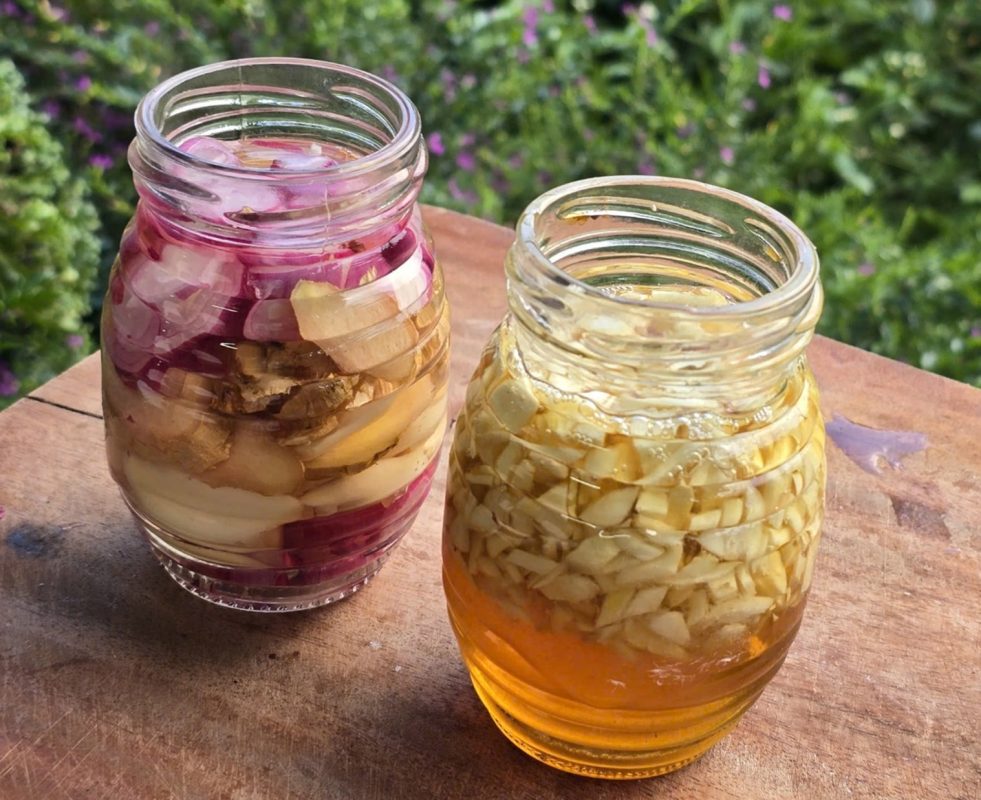
Garlic can be used as a culinary spice, pickled in vinegar, infused with honey, or processed into essential oil.
Garlic contains a well-known active compound called allicin, which is responsible for the characteristic pungent aroma of fresh garlic and many of its biological health benefits. Interestingly, intact garlic cloves do not naturally contain allicin. Instead, garlic contains:
- alliin (a sulfur-containing amino acid),
- and the enzyme alliinase.
When garlic is cut, crushed, chopped, or chewed, the enzyme alliinase comes into contact with alliin and converts it into allicin. This reaction requires both time and oxygen. Therefore, to maximize the formation of beneficial allicin, it is recommended to crush or chop garlic and let it rest for about 20 minutes before consumption, rather than using it immediately after cutting or eating whole raw cloves.
When garlic is used as a natural remedy for colds, flu, infections, or inflammation, fresh garlic is generally preferred because of its stronger antimicrobial and anti-inflammatory activity. For cardiovascular support and antioxidant benefits, cooked garlic can also be very effective.
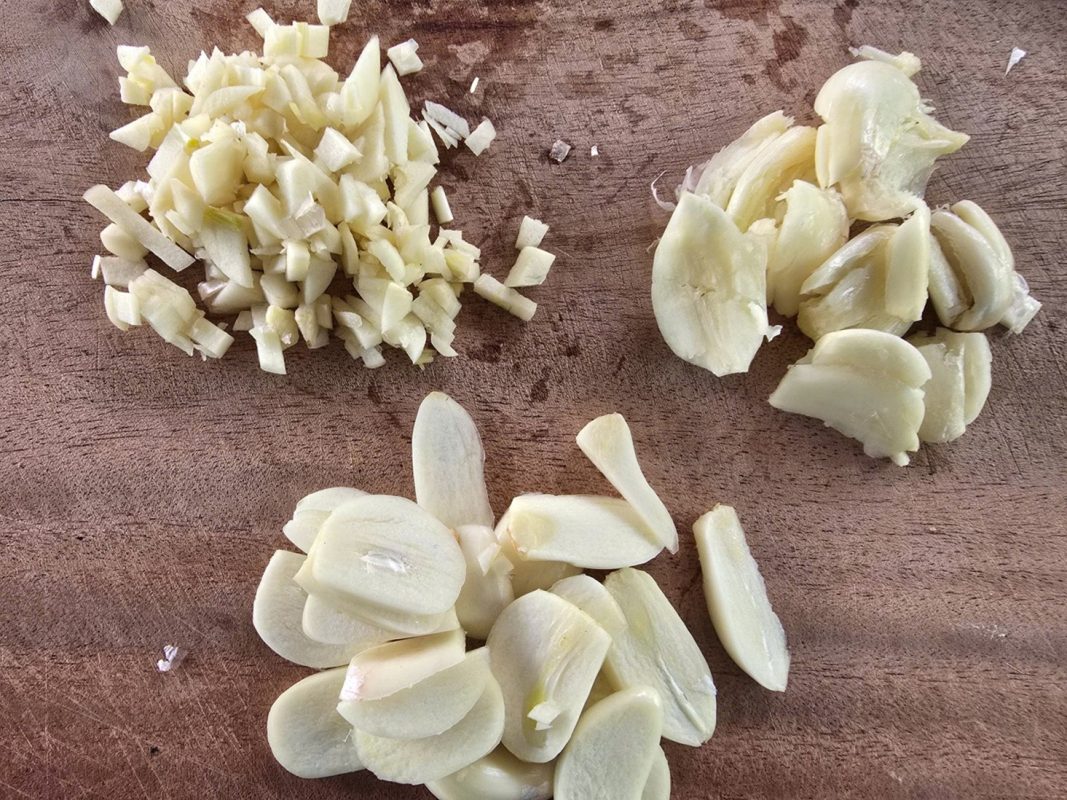
Fresh garlic is considered more heating in nature and may irritate the stomach more easily, so it is best not to consume excessive amounts of raw garlic (more than 3–4 cloves at a time). Cooked garlic is milder, easier to digest, and can usually be consumed in larger amounts.
However, garlic should still be consumed in moderation. Excessive intake (such as more than one whole bulb daily over long periods) may contribute to excessive internal heat, dryness, stomach irritation, and other unwanted side effects that could negatively affect health.
Tips
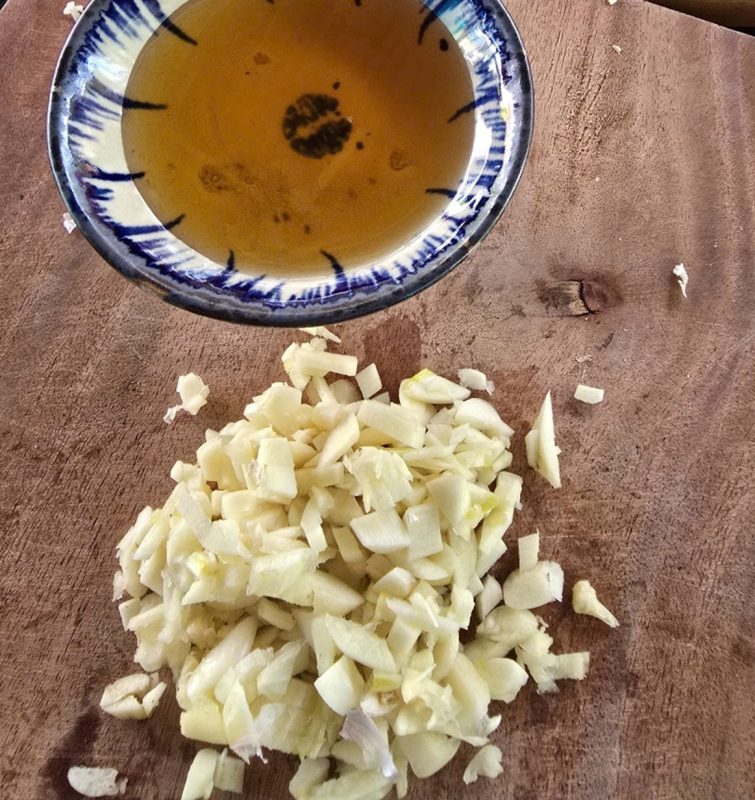
If you enjoy Garlic but want to reduce garlic odor in your breath and sweat, cooking the garlic can help lessen its strong smell.
After eating garlic, drinking herbal teas made from mint, green tea, basil, or rosemary may also help reduce garlic odor. Chewing fresh mint leaves or parsley directly after meals can be especially effective in freshening the breath and minimizing the smell of garlic.
How to Grow and Process Garlic
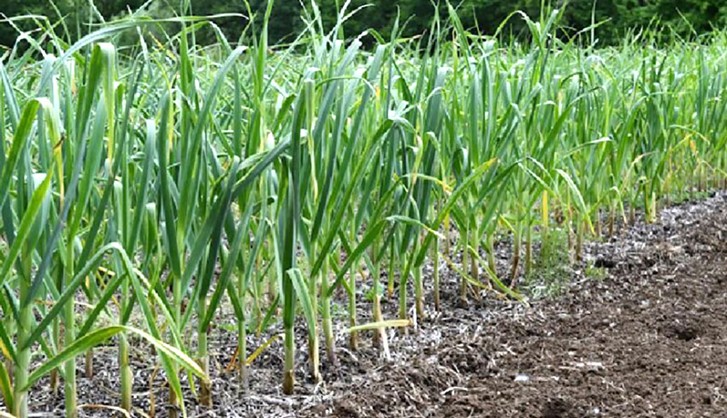
Garlic is grown from individual cloves planted in loose, organic-rich, well-drained soil, with the pointed end facing upward. The plant requires plenty of sunlight, moderate watering to maintain moisture, and regular compost or organic fertilizer to support healthy bulb development.
After about 4–6 months of cultivation, when the leaves turn yellow and the stems begin to dry, the garlic can be harvested and cured in a dry, airy place for storage.
Products containing Garlic in An Farm Hoi An
- Garlic infuse honey
- Pickle from garlic, ginger, onion and vinegar
- Fermented Garlic