Tiếng Việt
Black pepper – From Kitchen Spice to Natural Remedy
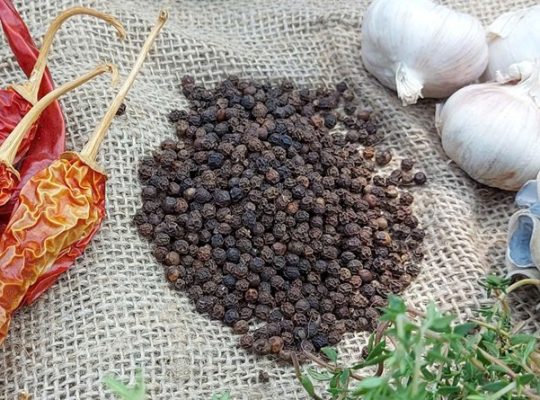
Description of Black pepper
Black pepper originates from the Malabar Coast of India and has been used for more than 4,000 years. Once referred to as “black gold,” pepper was a highly valuable commodity in the trade networks of Ancient Rome and Ancient Egypt. The demand for this spice helped drive the expeditions of Vasco da Gama and Christopher Columbus. As a result, pepper played an important role in the development of global trade routes and influenced the course of world history.
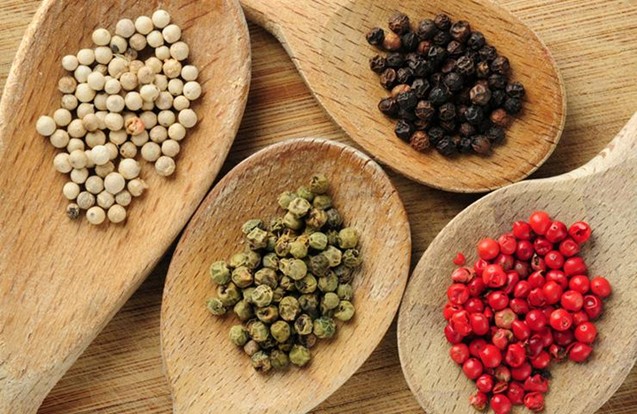
When purchasing whole peppercorns, you may encounter not only black pepper, but also white, green, and red peppercorns. Although they all come from the same plant species, Piper nigrum, they differ in harvest stage and processing method.
Black peppercorns are harvested while still green, briefly boiled, and then sun-dried, which causes the outer skin to darken and wrinkle.
Green peppercorns are picked before ripening and processed to preserve their green color, commonly through freeze-drying, brining, or other preservation methods.
White peppercorns are harvested when fully ripe, with the outer fruit layer removed, leaving only the inner seed, which gives them their pale color.
Red peppercorns are fully ripened pepper fruits that are carefully processed to maintain their natural red color.
| Pepper Type | Biological Characteristics | Flavor Profile | Key Benefits |
|---|---|---|---|
| Green Pepper | High in aromatic essential oils and rich in chlorophyll | Fresh, aromatic, mildly spicy | Gently stimulates digestion, warms the body, and enhances the flavor of dishes |
| Black Pepper | High in piperine and rich in antioxidants | Strongly pungent and intensely aromatic | Supports digestion, enhances nutrient absorption, provides antioxidant effects, and promotes circulation |
| Red Pepper | Higher in natural sugars and carotenoids | Milder than black pepper with a slightly sweet aroma | Offers stronger antioxidant activity and adds a refined flavor to culinary dishes |
| White Pepper | Still high in piperine but lower in essential oils | Deep, lingering heat with a milder aroma | Beneficial for digestion and suitable for people sensitive to strong pepper aromas |
Black pepper is one of the most widely used spices in the world. Due to its unique energetic properties and wide range of health benefits, this article will primarily focus on black pepper.
Enegertics of Black pepper
Black pepper has a warming and drying energetic nature, making it especially suitable for individuals with cold and damp body conditions. In contrast, people with hot and dry constitutions should consume black pepper in moderation. In addition, black pepper is known for its stimulating properties and its ability to enhance the circulation and flow of energy throughout the body.
Health benefits of Black pepper
The greatest health benefits of black pepper come from its warming nature and strong stimulating properties. For this reason, black pepper is considered highly effective for conditions such as colds, flu, and chills, as it helps warm the body, promote sweating, support mucus expulsion, and relieve nasal congestion.
In addition, black pepper creates a warming response in the digestive tract, increasing blood circulation to this area. As a result, it may help stimulate digestion and is particularly beneficial for individuals with weak digestion, abdominal coldness, bloating, and gas. Black pepper plays an important role in maintaining digestive health by supporting movement within the digestive system while also providing warmth.
Black pepper may also help improve blood circulation by promoting the dilation of major blood vessels, which can be beneficial for symptoms related to poor circulation, such as cold hands and feet, localized joint inflammation, heaviness, and stagnation within the body.
Another remarkable health benefit of black pepper, which is less widely known, is its ability to enhance the body’s absorption of nutrients and bioactive compounds from herbs, foods, and medicines.
Research has shown that combining approximately 3–5% black pepper with turmeric can increase the absorption and bioavailability of turmeric’s active compounds by up to 20 times. Black pepper has also been found to enhance the absorption of provitamin A compounds, coenzyme Q10, and vitamin B6.
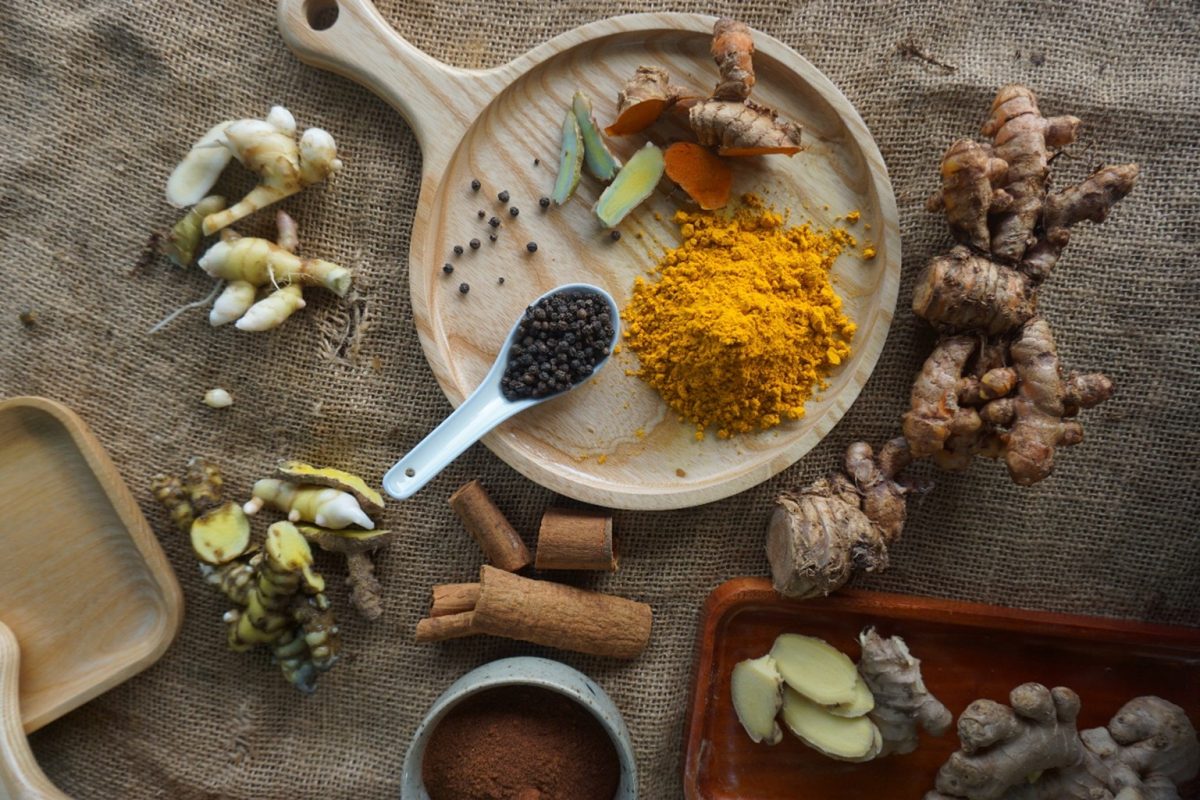
Black pepper’s ability to enhance the absorption of other nutrients is also linked to its capacity to promote blood circulation through the dilation of blood vessels. In addition, black pepper may influence the physical properties of cell membranes, allowing nutrients to pass through cellular barriers more efficiently.
For this reason, incorporating black pepper into daily meals may help improve the absorption and utilization of nutrients from foods and beverages.
How to use Black pepper
Black pepper can be used as a culinary spice, herbal tea, medicinal tincture, lozenge, or traditional herbal remedy.
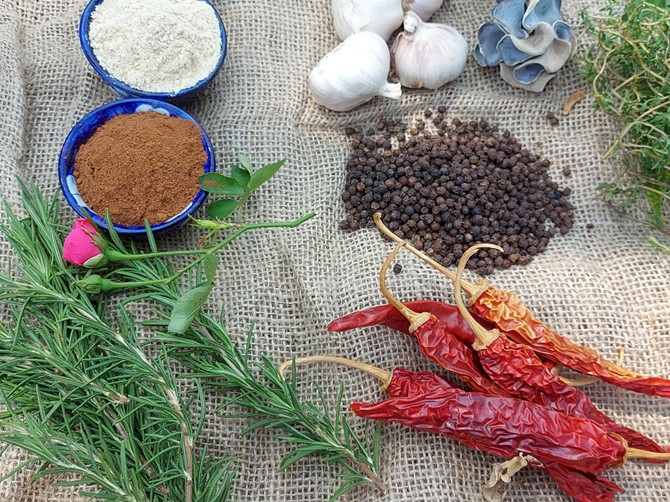
In cooking, fresh green peppercorns are often lightly crushed, while dried black peppercorns may be finely ground or coarsely crushed depending on the cook’s preference. In Vietnam, especially in Central Vietnam, ground black pepper is commonly used to season nearly 90% of meat and fish dishes before cooking. It is traditionally combined with onion, garlic, turmeric, and lemongrass. This seasoning method helps reduce the strong odor of meat and fish, enhances flavor, and provides health benefits, as these spices possess anti-inflammatory properties, support digestion, and help improve metabolism.
Using black pepper in marinades or directly in meals may also enhance the absorption of nutrients from food and improve the bioavailability of other spices such as turmeric, onion, and garlic due to black pepper’s natural bioenhancing properties. Interestingly, my grandparents’ generation did not scientifically understand black pepper’s ability to increase nutrient absorption and nutritional value, yet this combination became a long-standing culinary habit and cultural tradition. It is truly a healthy and valuable practice.
Making tea with black pepper is an excellent way to stimulate metabolism, support weight management, relieve coughs, and help detoxify the body. Black pepper is commonly combined with ginger and honey, blended with green tea, or simply infused in hot water for about 30 minutes and consumed during colds or chills. However, black pepper has a very warming and drying energetic nature, so it should be used in moderation rather than in excessive amounts.
Black pepper can also be added to herbal formulations to enhance the absorption of other compounds. For example, adding about 5% black pepper to turmeric may increase the bioavailability of turmeric’s active compounds by up to 20 times. Black pepper is also traditionally blended with turmeric and honey, then rolled into herbal pills that may help reduce inflammation, support wound healing, aid digestion, and strengthen the immune system.
Another traditional preparation combines black pepper with ginger, honey, orange peel powder or lemon peel powder, licorice, or cinnamon, which are then formed into herbal lozenges. These lozenges are considered especially beneficial for individuals experiencing cold hands and feet, colds, sluggish digestion such as bloating and gas, nasal congestion, or respiratory inflammation.
Tips
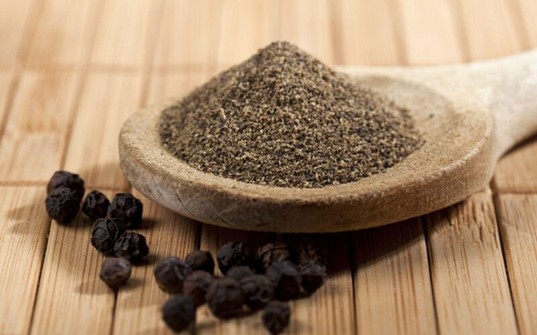
Ground black pepper can lose its aroma and quality quite quickly after grinding. Therefore, it is recommended to use a small pepper grinder and grind only enough for use within one to two weeks to preserve its freshness, flavor, and beneficial properties.
How to Grow and Process Black pepper
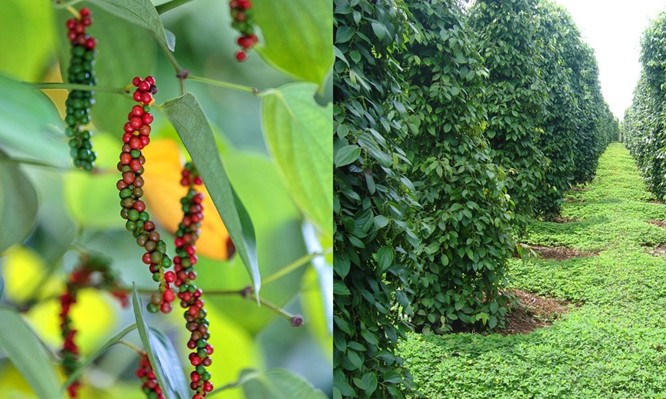
Black pepper plants are propagated using short stem cuttings planted in loose, organically rich, and well-drained soil. As a climbing vine, the plant requires a support pole or trellis for growth. Black pepper thrives in warm and humid climates, requires moderate watering to maintain moisture, and benefits from regular applications of compost or well-decomposed manure.
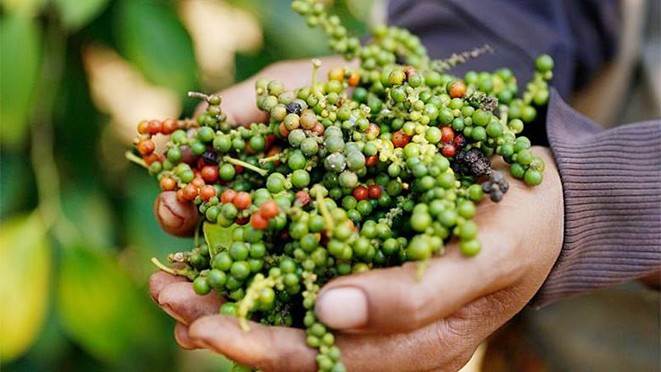
After approximately 3–4 years of cultivation and care, the plant begins producing peppercorns that can be harvested and processed into green, black, red, or white pepper depending on the harvest stage and processing method.
For detailed information on how black, white, green, and red pepper are processed, please refer to the section describing the different types of peppercorns.
Black pepper should be stored in a cool, dry, and well-ventilated place. Once ground, it is best kept in an airtight glass container and used within one to two weeks to preserve its flavor, aroma, and nutritional value.
Products containing black pepper in An Farm Hoi An
- Black pepper
- Black pepper powder
- Mix spices (ginger, lemongrass, basil and black pepper)
- Herbal candy (ginger, black pepper, cinnamon and honey)