Tiếng Việt
LEMONGRASS – Nature’s Detox Herb
Description of Lemongrass
Lemongrass (Cymbopogon citratus) originates from the tropical regions of South and Southeast Asia, where it naturally thrives in hot, humid climates with abundant sunlight. From these regions, it was domesticated and widely cultivated by humans, eventually spreading to Africa, the Americas, and other tropical areas around the world.
Today, lemongrass is commonly grown in countries such as Vietnam, Thailand, India, Sri Lanka, and Indonesia. It serves multiple purposes—as a culinary ingredient, a traditional medicinal herb, and a source for essential oil extraction. Owing to its strong adaptability, lemongrass has become a familiar herb closely associated with both the cuisine and daily life of many tropical cultures.
Lemongrass grows in dense clumps, developing from a firm, bulb-like base. It typically spreads to about one meter in width and reaches a similar height. The leaves are bright green, narrow, and sharp-edged, resembling those of many grass species.
As its name suggests, lemongrass has a lemon-like aroma, though it is softer and slightly sweeter in character.
Enegertics of Lemongrass
Lemongrass is considered to have a warming and slightly drying nature. It helps to warm the body, promote circulation, and reduce sensations of coldness and stagnation. It is particularly suitable for individuals with a cold and damp constitution, or in conditions such as the common cold, respiratory inflammation, and feelings of heaviness or sluggishness in the body.
Health benefits of Lemongrass
Lemongrass is a herb rich in essential oils and bioactive compounds that are beneficial to human health. Studies have shown that it contains components such as citral, flavonoids, vitamin C, and various antioxidants, which support several important physiological functions.
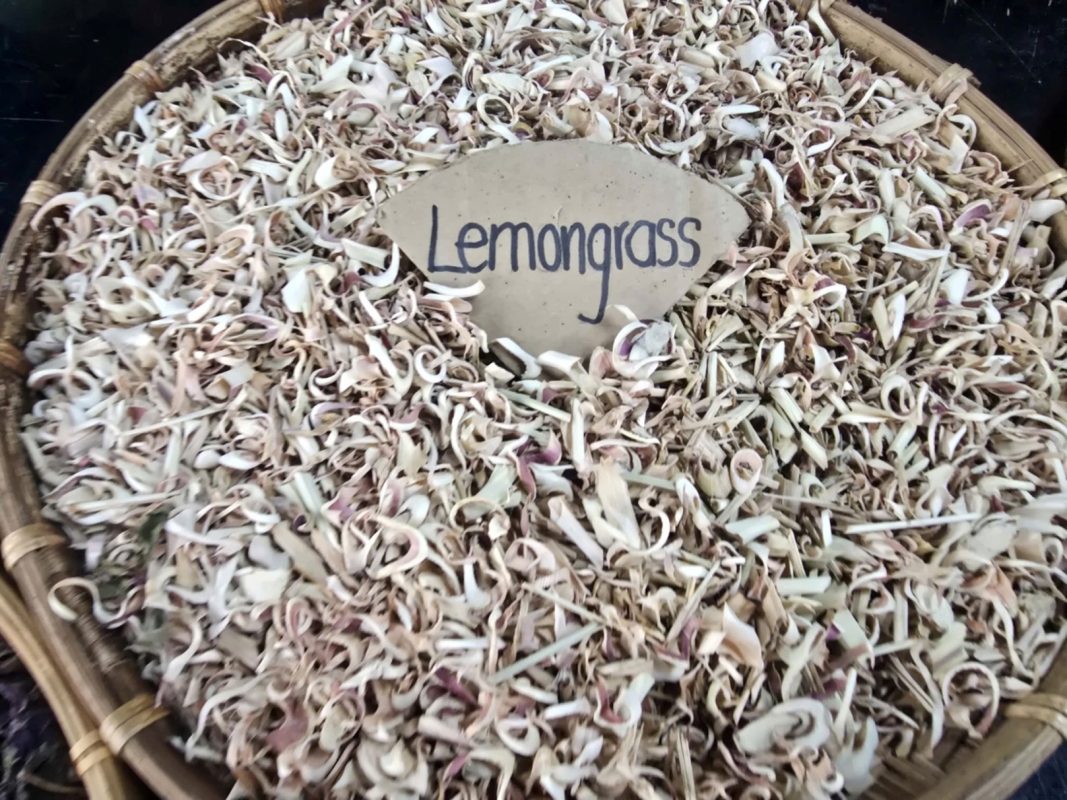
Firstly, the aroma of lemongrass provides an immediate sense of comfort, lightness, and clarity. Many visitors to my farm have shared how much they enjoy this fragrance. This effect is largely due to the mild stimulating and uplifting properties of lemongrass essential oil. Its fresh, gentle scent helps calm the nervous system, reduce stress, and promote relaxation. For this reason, lemongrass is commonly used in herbal teas and aromatherapy to support better sleep and emotional well-being.
In addition, lemongrass is often regarded as a herb with strong cleansing properties. In many Asian cultures, it is traditionally used in steam baths or home fumigation practices to help clear stagnant or heavy energies, contributing to a greater sense of balance and renewal.
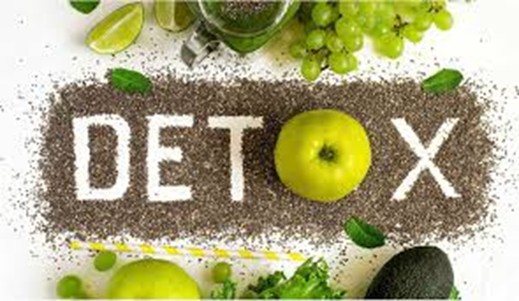
Lemongrass supports the body’s natural detoxification processes by promoting the elimination of waste and harmful substances through its mild diuretic effect. This action enhances the removal of toxins via urine and contributes to the proper functioning of key organs, particularly the liver and kidneys. It may also help reduce uric acid levels in the body.
At the same time, the antioxidants present in lemongrass help protect liver cells from damage caused by free radicals, thereby supporting overall liver and kidney health.
Lemongrass is widely used in Ayurvedic medicine for its role in relieving coughs and colds. In addition to various beneficial compounds, its vitamin C content helps reduce nasal congestion and supports the improvement of symptoms associated with the common cold and certain respiratory disorders.
Furthermore, lemongrass essential oil can stimulate the secretion of digestive fluids and enhance intestinal motility, facilitating smoother digestion. As a result, it is often used to relieve bloating and indigestion, and to help prevent mild gastrointestinal issues such as inflammation or early-stage gastric ulcers.
In addition, lemongrass contributes to cardiovascular health. Some studies suggest that its bioactive compounds may help lower low-density lipoprotein (LDL) cholesterol and assist in regulating blood pressure, thereby supporting vascular health and reducing the risk of cardiovascular diseases.
How to use Lemongrass
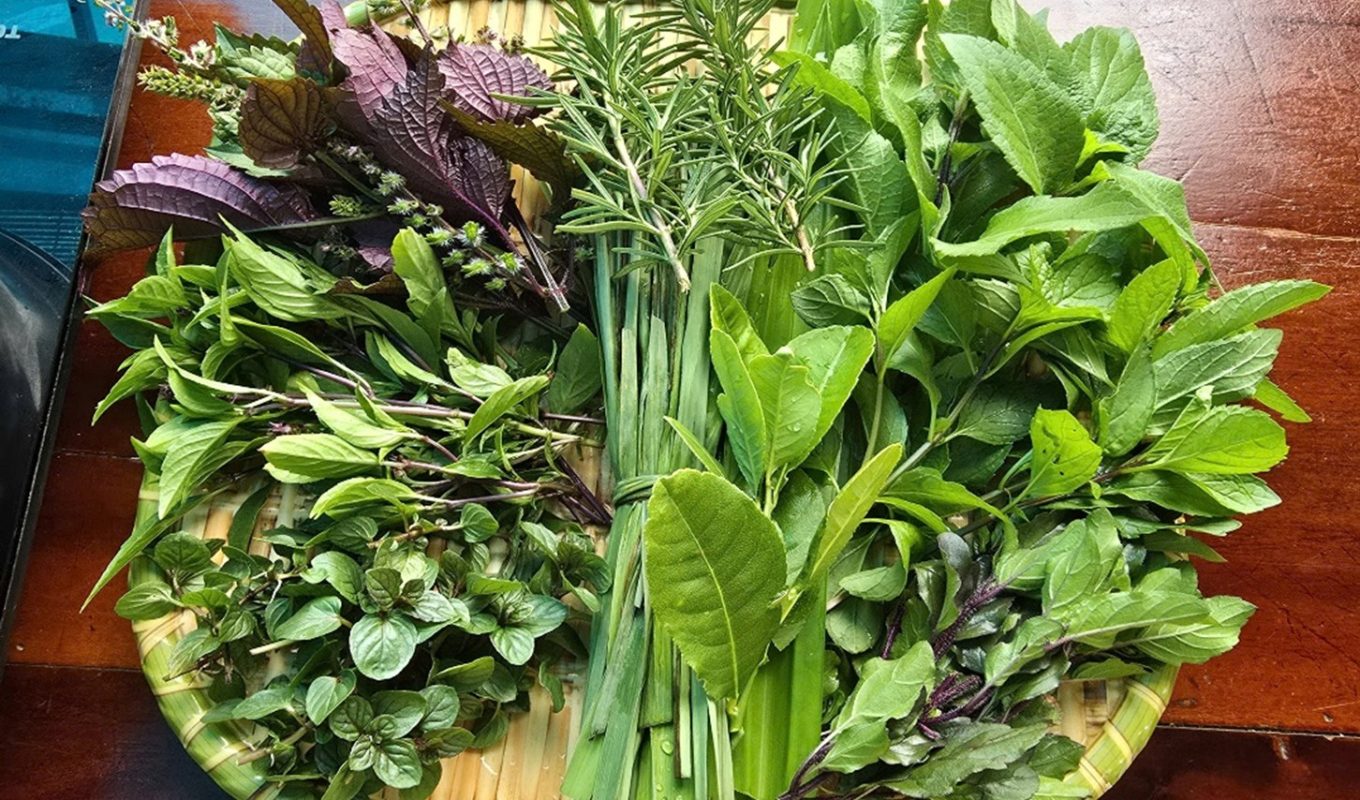
Lemongrass can be used in a variety of ways, including cooking, making tea or infused water, steaming, and bathing.
In cooking, fresh lemongrass stalks are commonly used. They are typically crushed and chopped before being added to marinades for meat, fish, and seafood. This helps reduce strong odors while enhancing the overall flavor of the dish. When preparing soups, broths, or hot pots, whole crushed stalks can be added and simmered for about 30 minutes, then removed before serving. A convenient alternative is to use dried lemongrass powder as a seasoning.
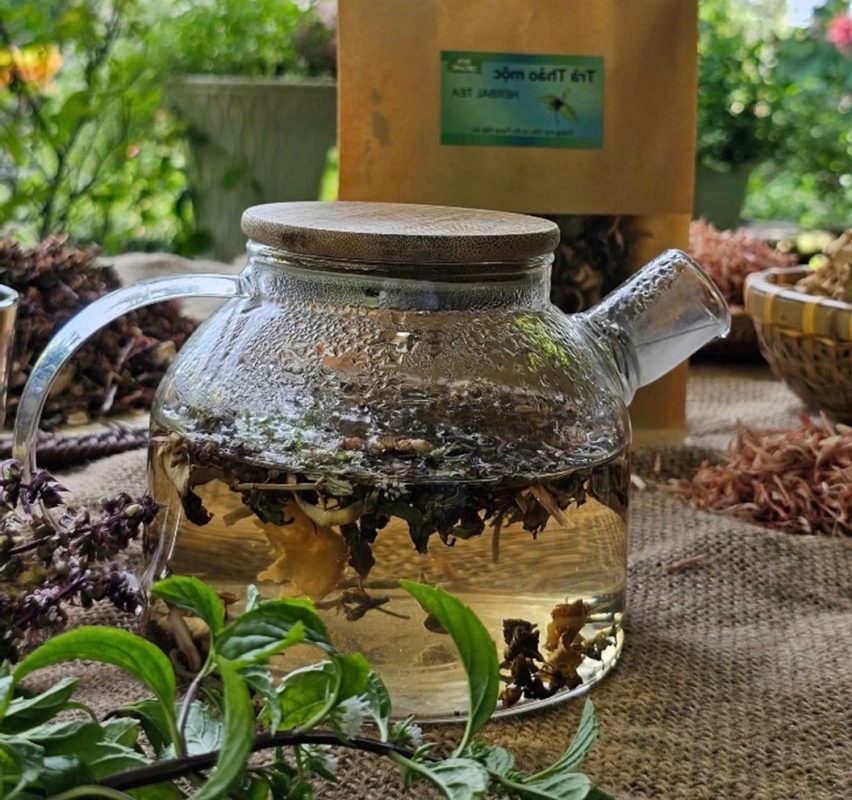
For herbal tea, dried lemongrass—either in powder form or sliced—is recommended. It can be steeped in boiling water for about 20 minutes before drinking. Lemongrass can also be combined with other herbs such as cinnamon and ginger to create a warming tea, especially suitable in colder seasons, which supports digestion and helps relieve bloating. Alternatively, combining lemongrass with mint can provide a refreshing effect, supporting energy renewal and gentle detoxification.
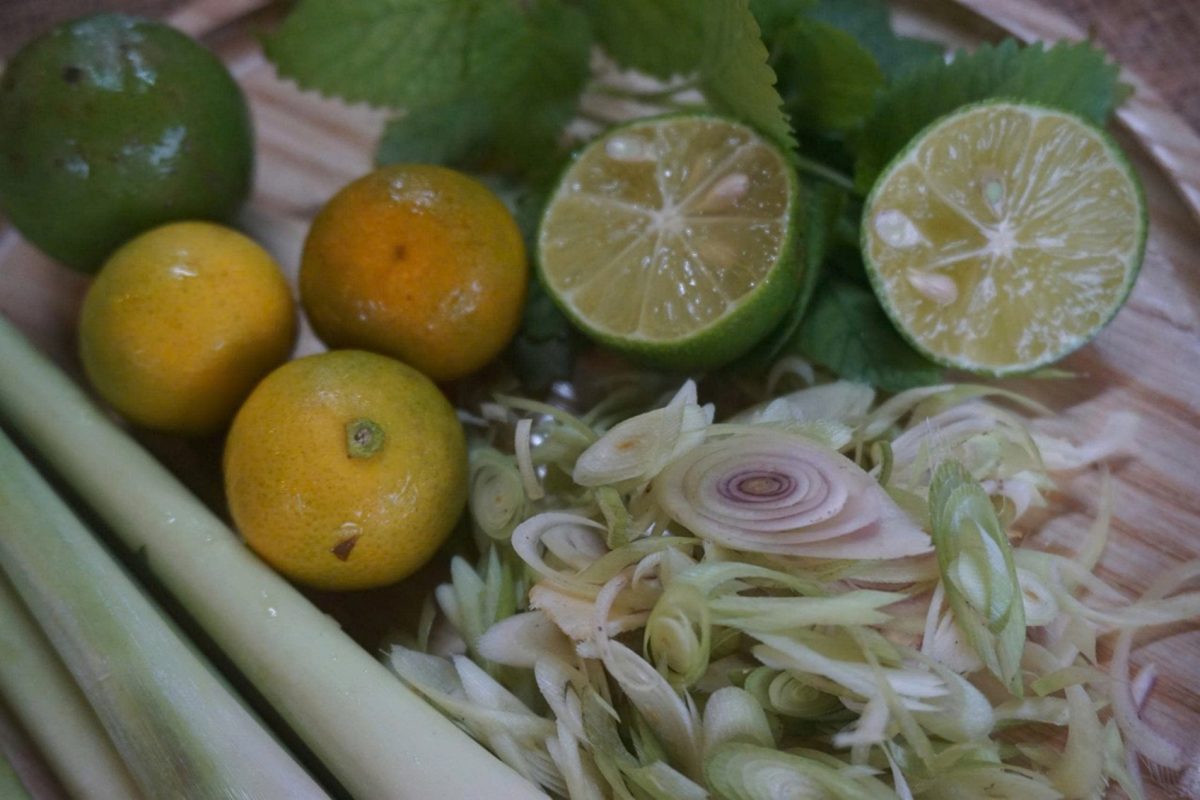
To prepare infused water, fresh lemongrass stalks are crushed and cut into small segments (about 2 cm), then added to drinking or mineral water. A few slices of lemon or some lemon juice, along with lightly crushed mint leaves, can be included. After steeping for about 15 minutes, the drink is ready to consume. This infusion helps support detoxification, provides vitamin C, strengthens the immune system, and promotes healthy skin.
For steaming, bathing, or hair washing, fresh or dried lemongrass leaves, as well as lemongrass essential oil, can be used. When using leaves, they should be boiled for about 15 minutes, and the resulting water can be used for bathing, hair washing, or steam inhalation. If using essential oil, simply add 5–7 drops to approximately 2 liters of warm water. These practices help promote relaxation, cleanse the body, reduce stress, and may alleviate symptoms of colds, flu, and respiratory discomfort.
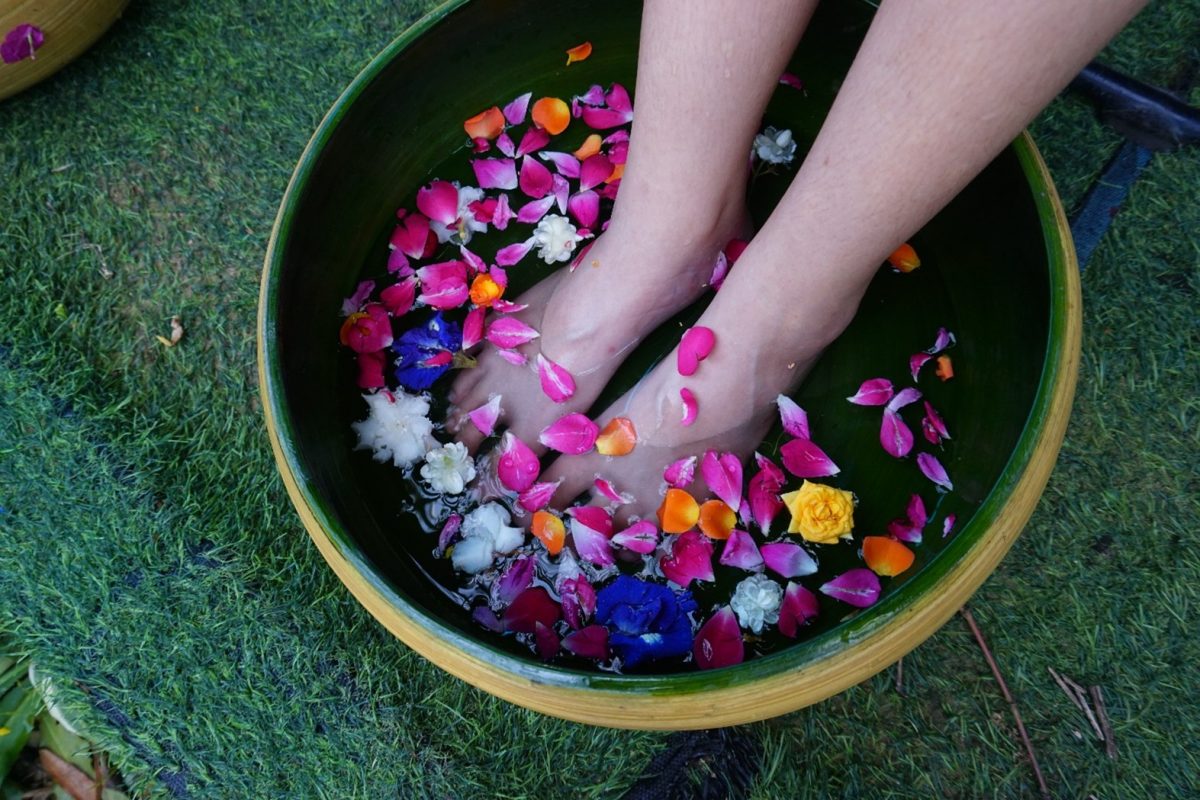
Additionally, lemongrass essential oil can be diffused in living spaces or bedrooms to create a fresh, uplifting atmosphere while helping to repel mosquitoes and insects.
A warm foot soak with lemongrass and sea salt is another simple practice that can provide gentle massage, relaxation, and relief from fatigue and muscle tension.
TIP
If you often feel sluggish, mentally fatigued, or physically heavy, you can prepare a cup of hot lemongrass and ginger tea and drink it. Afterwards, bathe or soak your body for 20–30 minutes using water infused with fresh or dried lemongrass, or warm water mixed with lemongrass essential oil. You may also diffuse a few drops of lemongrass essential oil in your bedroom.
This combination of practices can help promote a sense of cleansing, leaving you feeling lighter, more relaxed, and refreshed.
How to Grow and Process Lemongrass
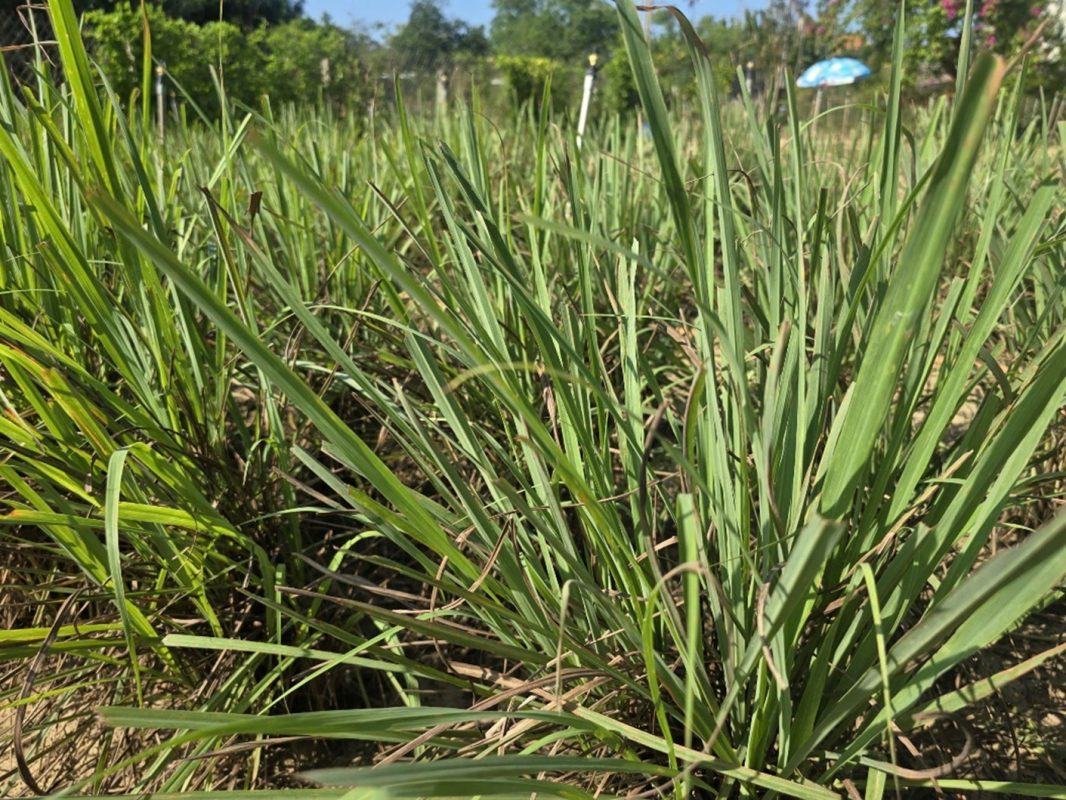
Lemongrass is propagated from its stalks. The leaves are trimmed off, and the fresh stalks are inserted into nutrient-rich, composted soil at a depth of approximately 7 cm. The plant thrives in full sunlight and typically takes about three months to reach harvest. Watering once every three days is sufficient, as lemongrass is drought-tolerant and does not require excessive moisture.
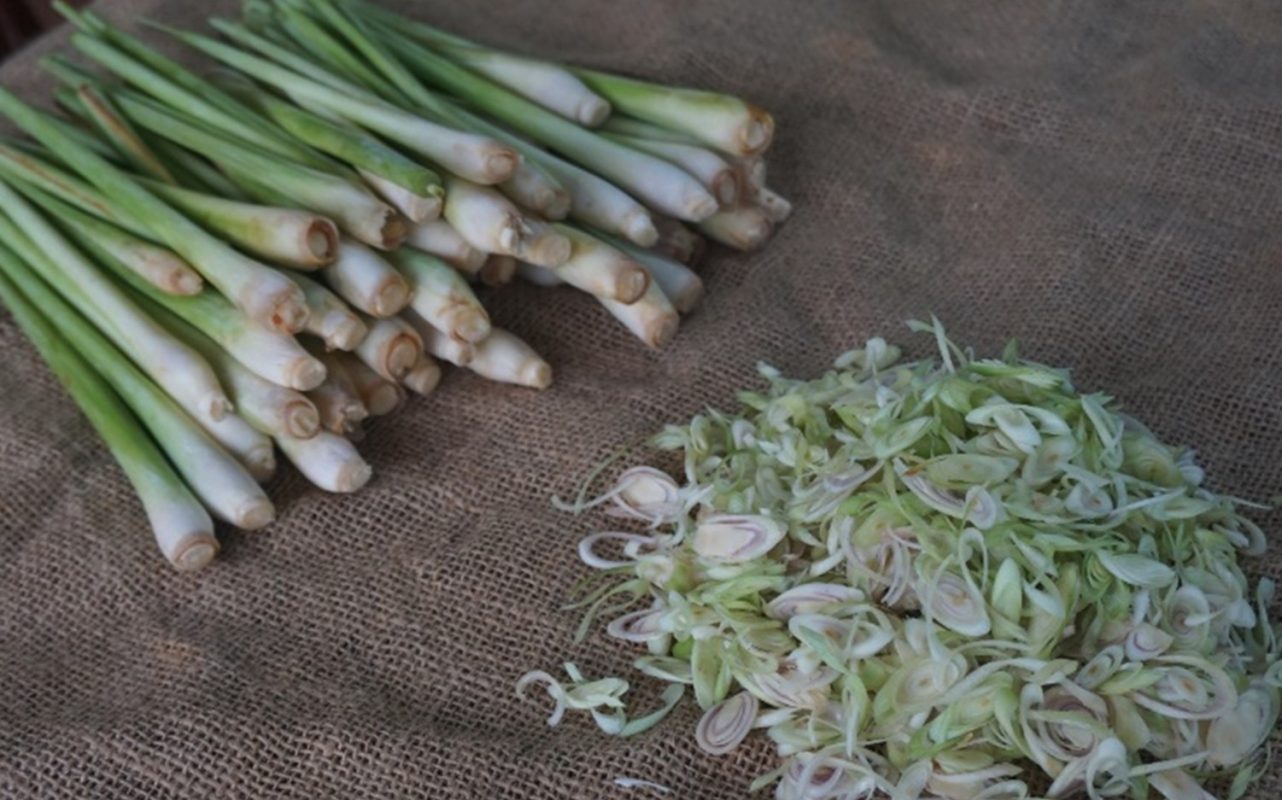
Processing lemongrass is relatively simple. The leaves can be cut into segments of about 2 cm, then sun-dried or dehydrated. They can later be used for bathing, washing, or steam therapy by boiling in water for about 15 minutes. The lower stalk (bulb portion) can be thinly sliced, dried, and then used directly for making tea or cooking. Alternatively, it can be ground into powder using a grain grinder, which is also suitable for both tea preparation and culinary use.
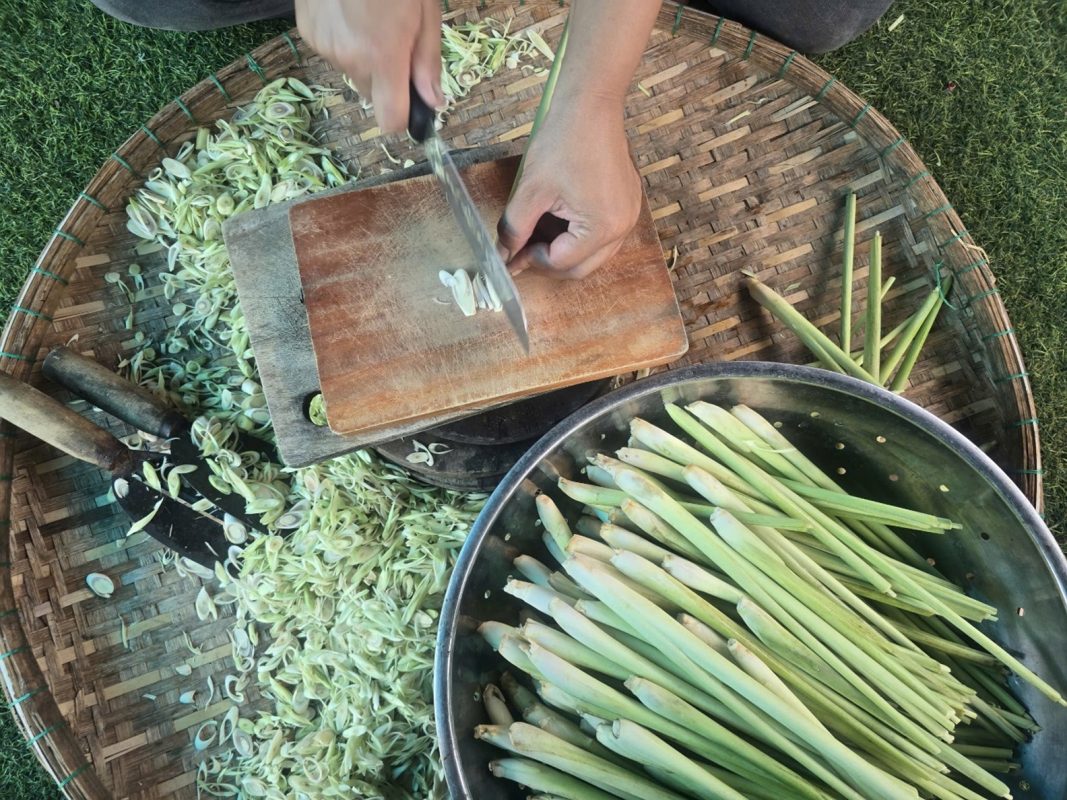
These dried forms should be stored in airtight bags or containers, kept in a cool, dry, and well-ventilated place, or in the refrigerator. For optimal quality, they are best used within six months.
Products containing lemongrass from our farm
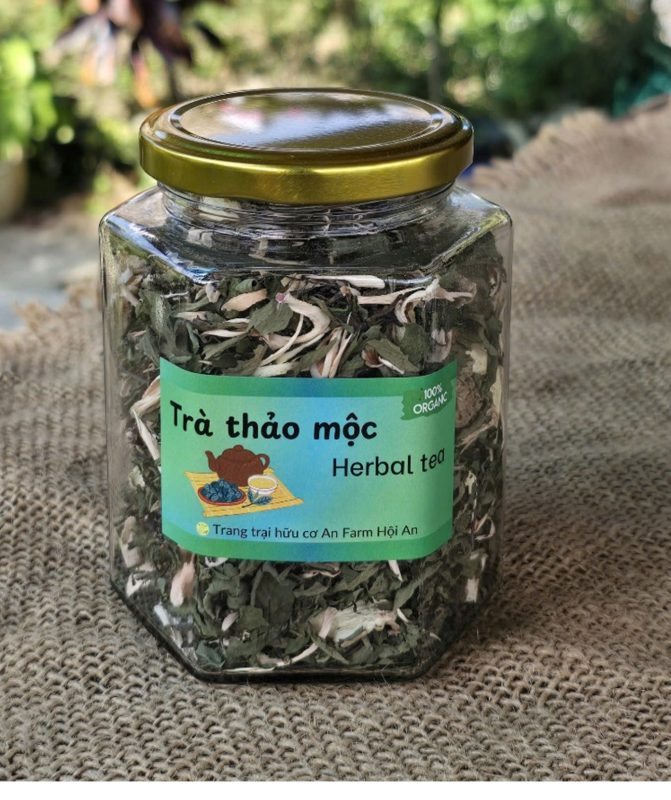
- Herbal tea (ginger, lemongrass, peppermint and cinnamon basil)
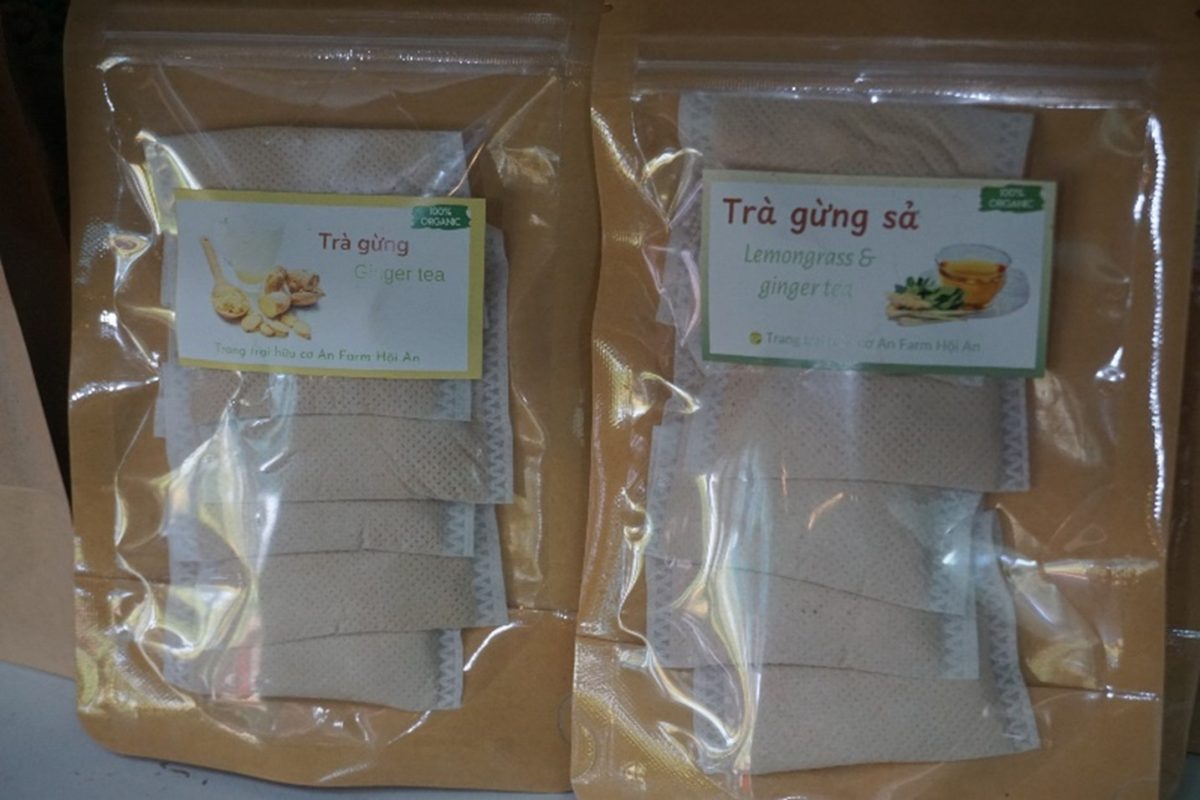
- Ginger and lemongrass tea
- Detox tea (lemongrass and java tea)
- Dry lemongrass
- An Farm spices (ginger, lemongrass, pepper and basil)
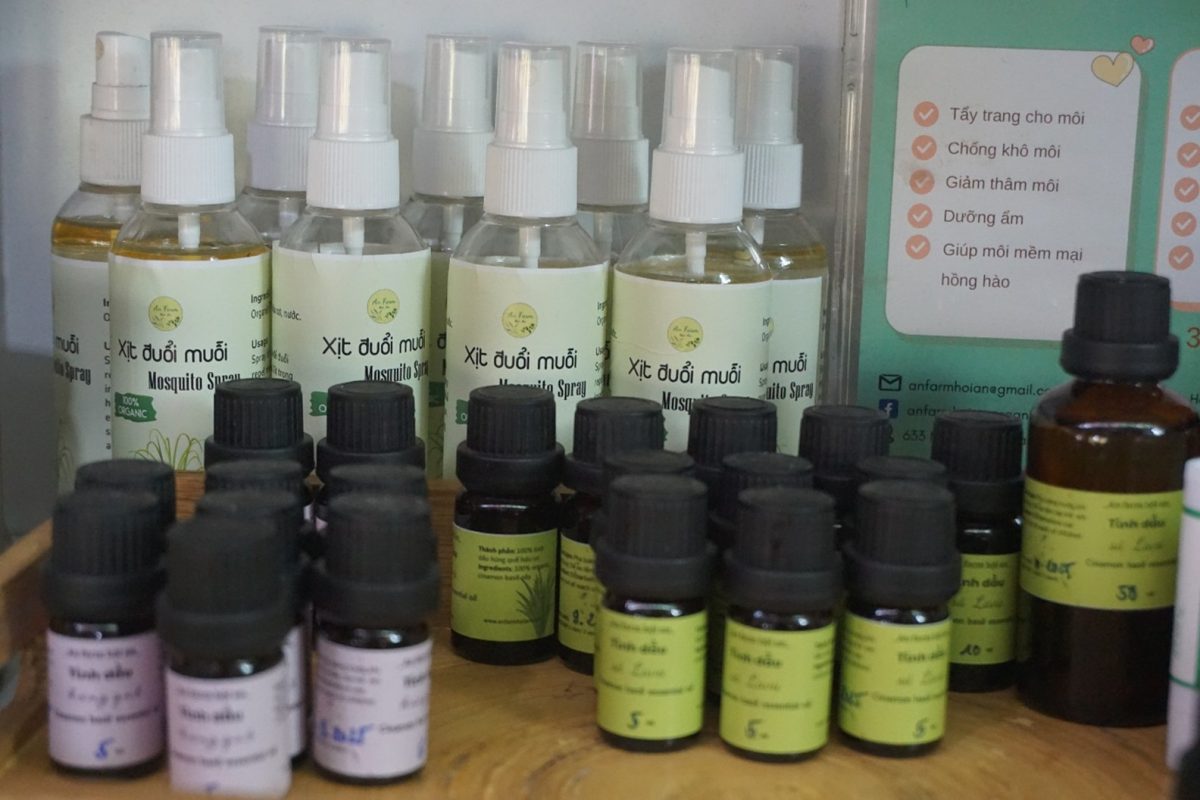
- Lemongrass oil