Tiếng Việt
Rose – Nourishing the soul, healing the heart
 Description Of Rose
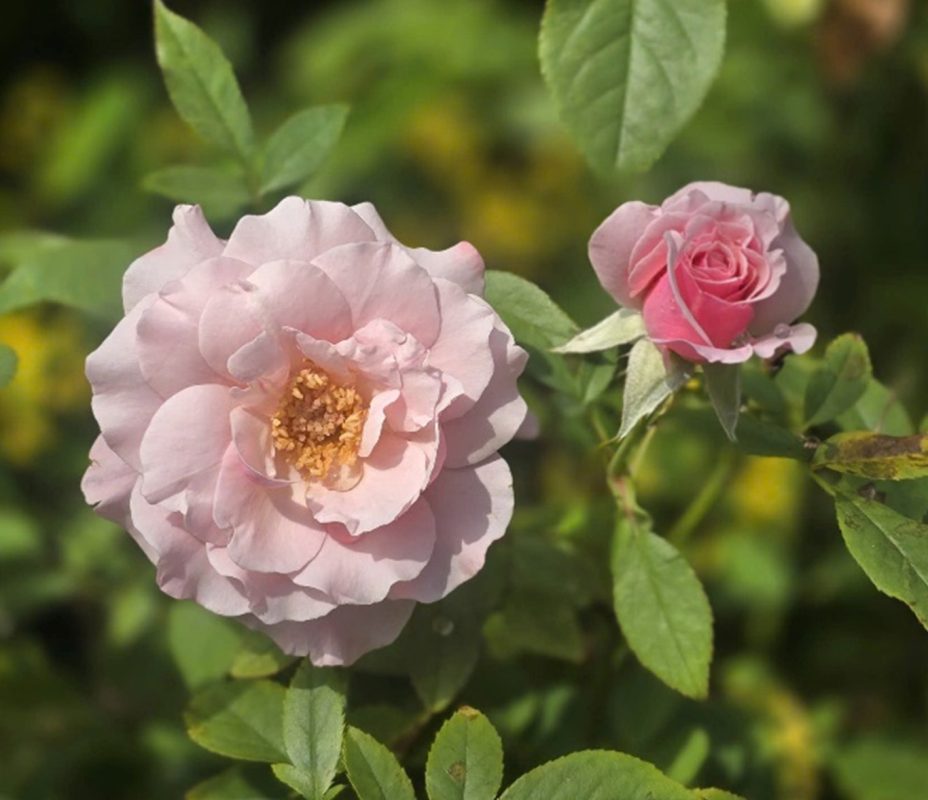
Roses are among the oldest and most beloved flowers in the world, with a history of more than 5,000 years across ancient civilizations such as China, Persia, and Egypt. Since ancient times, roses have been used in traditional medicine, perfumery, food preparation, spiritual rituals, and as symbols of love and beauty. Through centuries of cultivation and hybridization, thousands of rose varieties now exist around the world.
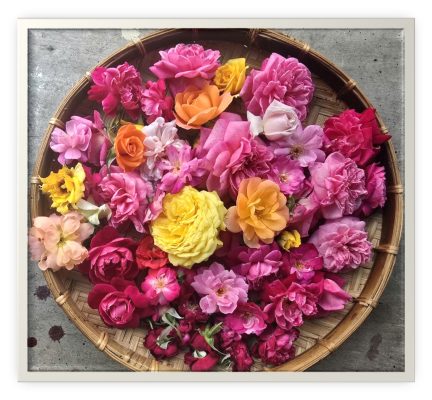
Roses grow in many different forms, including shrub roses, climbing roses, old garden roses, tea roses, miniature roses, and wild roses. Their flowers display a wide range of natural colors such as red, pink, white, yellow, orange, purple, and many unique blended shades.
Enegertics of Rose
Roses have a mildly sour and slightly astringent taste and are traditionally considered a cooling herb. However, they are also regarded as having a balanced and harmonizing nature, making them suitable for daily use by people with different body constitutions and energetic conditions.
Health benefits of Rose
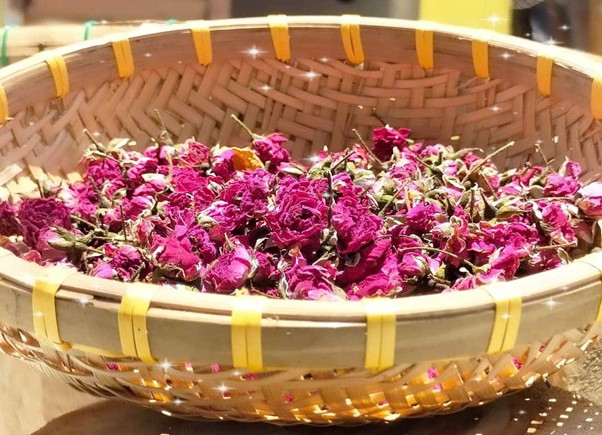
The health benefits of roses come from their fragrance, petals, and rose hips (the fruit of the rose plant).
Roses have long been regarded as a symbol of love, perhaps because their fragrance is believed to open the heart emotionally and encourage feelings of love, compassion, and connection.
Herbalist Henriette Kress, author of the book Practical Herbs, wrote:
“Roses soothe the spirit and improve mood. They reduce anger and irritability, give you courage to protect your own opinions and boundaries, and help you love yourself and others more deeply.”
For this reason, the scent of roses is often associated with relaxation, emotional balance, happiness, calmness, stress reduction, and support for people experiencing emotional exhaustion or depressive moods.
Importantly, several scientific studies have shown that rose essential oil may have positive effects on cardiovascular health by supporting relaxation, helping regulate heart rate, and promoting a calmer nervous system. Antioxidant compounds found in rose petals may also help support vascular health and reduce oxidative stress affecting the cardiovascular system.
In addition to their fragrance, roses also contain nectar. Therefore, drinking rose tea is considered a nourishing way to support the body, provide gentle energy, promote mental balance, and encourage deeper sleep. Rose tea is also
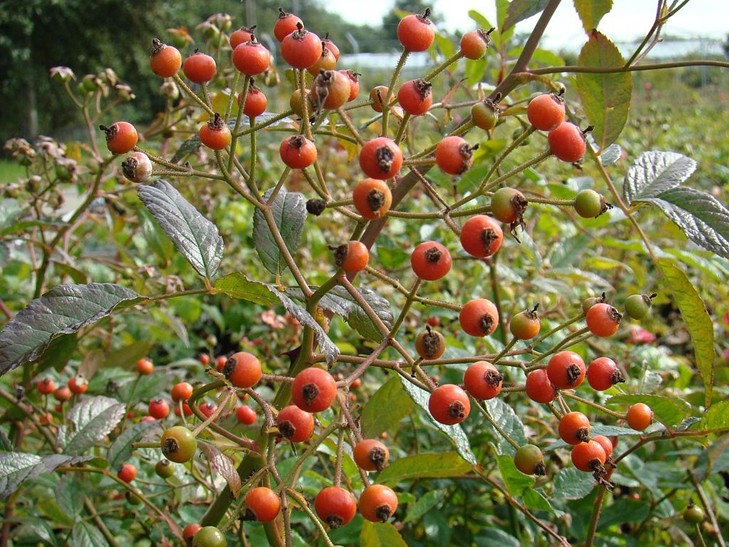
especially beneficial for women during menstruation and perimenopause, as it may help stabilize mood, support relaxation, and improve sleep quality. Rose petals are rich in antioxidant compounds such as flavonoids, polyphenols, anthocyanins, and vitamin C, which help protect cells from oxidative stress and support the slowing of the aging process.
Rose hips are especially rich in vitamin C. Wild rose species, which are closer to the original natural form of roses, tend to produce larger and more abundant fruits than many modern cultivated roses, as many contemporary varieties have been selectively bred to produce more flowers rather than fruit.
Vitamin C plays an essential role in collagen synthesis, one of the key factors in maintaining healthy, elastic skin and slowing visible aging. Because vitamin C is water-soluble and continuously excreted from the body, regular consumption of vitamin C-rich fruits and herbs is considered beneficial for maintaining skin and overall health.
The vitamin C content of rose hips, together with the naturally astringent properties of roses, may help support the body during inflammatory conditions, assist wound healing, and contribute to pain relief.
Multiple studies have suggested that rose hip supplementation may help reduce pain and improve general well-being in people with osteoarthritis and rheumatoid arthritis.
Rose extracts and rose water have soothing, anti-inflammatory, and mild moisturizing properties, and are commonly used in the care of sensitive or irritated skin.
How to use Rose
Roses are edible flowers, so fresh rose petals can be used in spring rolls, salads, and other dishes. Rose petals usually have a mildly sour and slightly astringent taste with a gentle fragrance, which adds both beauty and aroma to food.
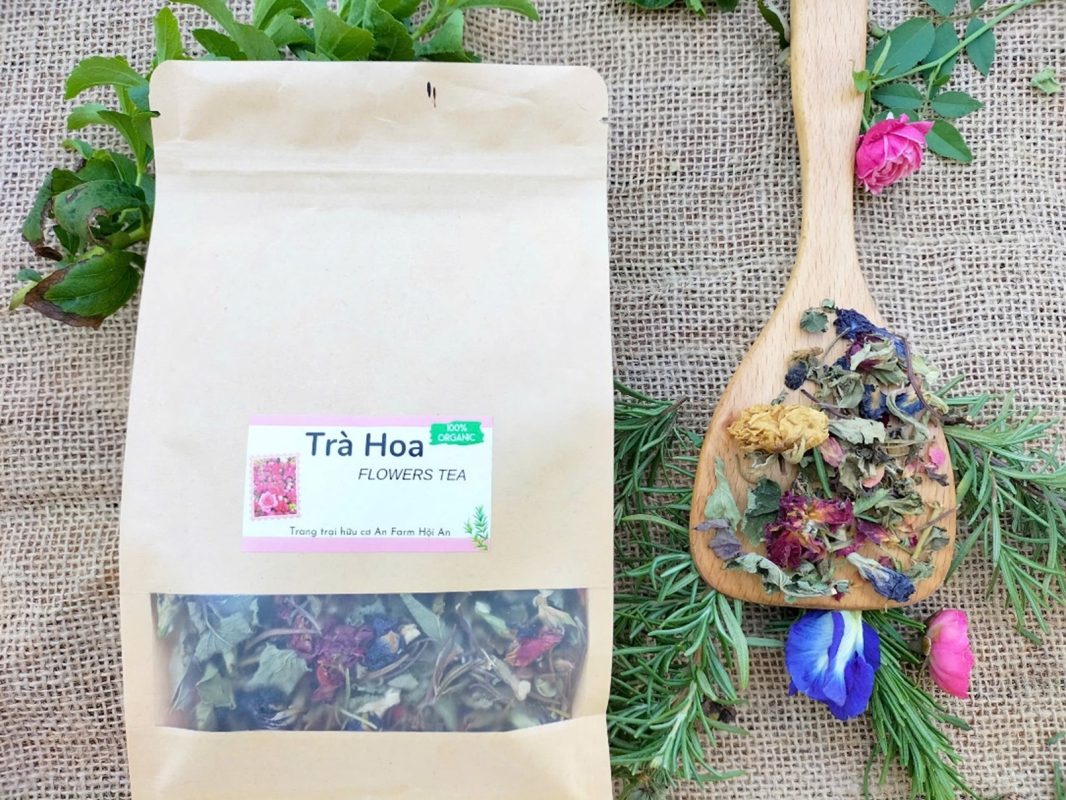
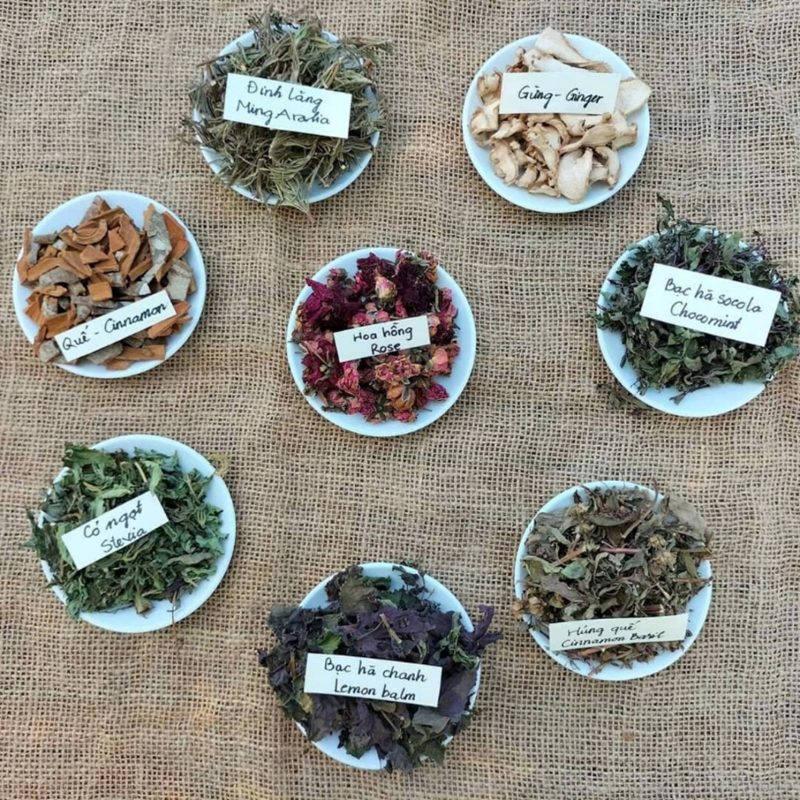
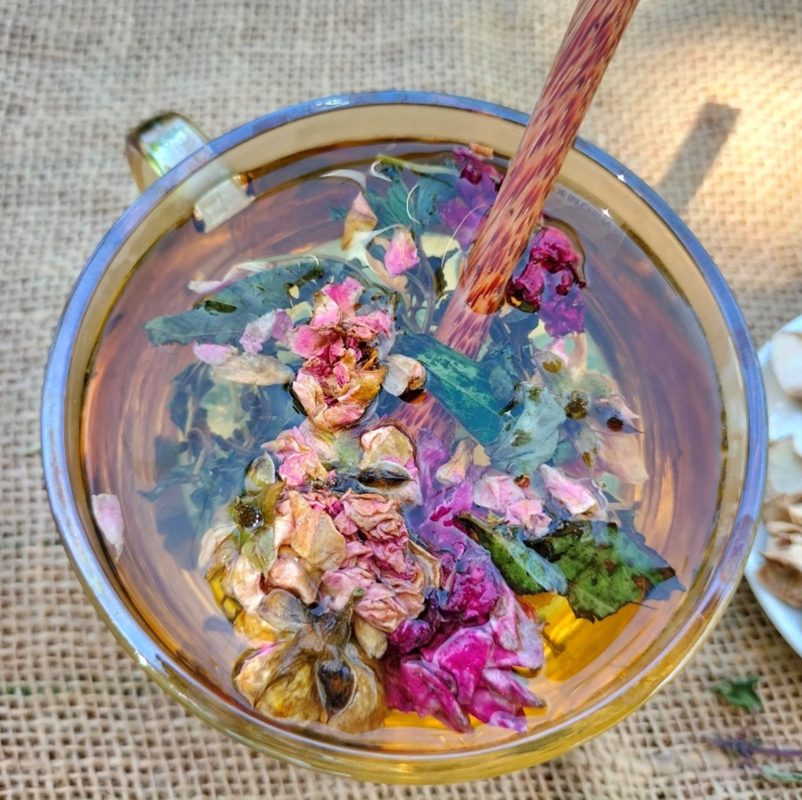
Rose petals can also be dried to make herbal tea. At our farm, we prepare a flower tea blend made from rose, rosemary, peppermint, and stevia. This tea is traditionally used to help relax the mind, nourish emotional well-being, reduce stress, ease depressive moods, and support better sleep. Roses combine easily with many other herbs because of their balanced energetic nature and delicate flavor.
When drying roses for tea, it is best to use low temperatures below 60°C or naturally air-dry them in a shaded, well-ventilated area. Direct sunlight and excessive heat may fade the flower color and reduce the delicate aroma of the rose.
When brewing rose tea, a water temperature of around 80°C is recommended to help preserve the gentle essential oils and delicate aromatic compounds within the flowers.
For rose hips, it is generally not recommended to make syrup or jam using high heat, because vitamin C is sensitive to heat and may be significantly reduced during cooking. A better method is to dry the rose hips at low temperature, grind them into powder, and then mix the powder with honey, add it to foods, or use it in herbal teas.
To make rose toner, roses should be harvested early in the morning just after blooming. The flowers can then be combined with a few sprigs of rosemary and infused in an herbal hydrosol such as peppermint hydrosol, holy basil hydrosol, or other herbal hydrosols. Store the mixture in a sealed container away from direct sunlight and allow it to infuse for 3–5 days before use.
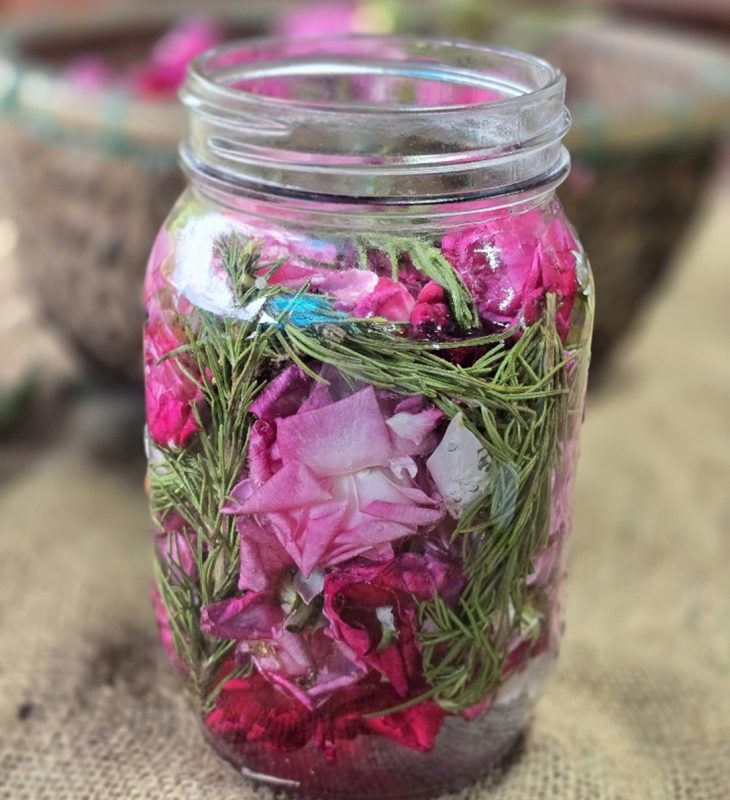
Tips
Add roses to your afternoon tea, together with gently fragrant flowers such as chamomile, jasmine, or lavender, to help nourish the body and soul, promote relaxation, and support deeper sleep in the evening.
How to Grow and Process Rose
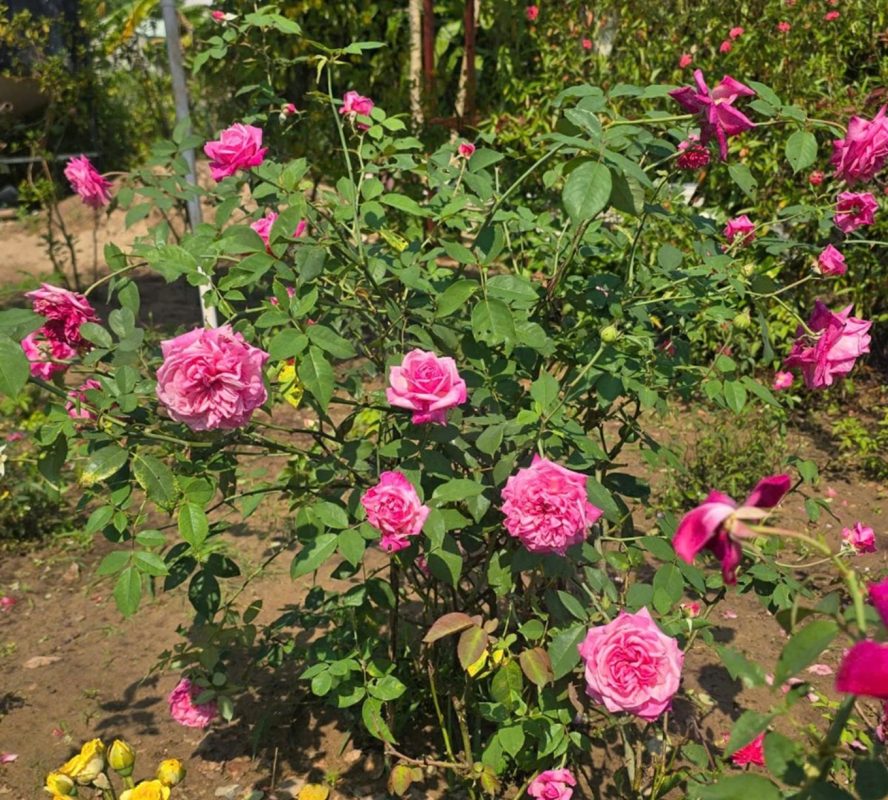
Roses are commonly grown from grafted plants, cuttings, or young seedlings in loose, well-drained soil rich in organic matter. They thrive in full sunlight for about 6–8 hours per day and require moderate watering to maintain consistent moisture.
To encourage healthy and continuous flowering, compost or organic fertilizer should be applied regularly, while old branches, faded flowers, and diseased leaves should be pruned to improve air circulation. Roses should also be monitored regularly for pests and diseases to maintain healthy growth and abundant blooms.
When drying rose petals for tea or rose hips for powder, it is best to dry them at low temperatures below 60°C or naturally air-dry them in a shaded, covered area. Direct sunlight may fade the flower color, while excessive heat can reduce the delicate fragrance and beneficial compounds of the roses.
After drying, they should be stored in sealed glass jars or airtight bags in a cool, dry place, where they can be preserved for approximately 6 months to 1 year.
Products containing Rose from our farm
- Flowers Tea (mix from rose, rosemary, mint and stevia)
- Rose Tea
- Rose tonic
- Rose Jam