Tiếng Việt
Holy Basil – Herbs for Health and Longevity
Description of Holy basil
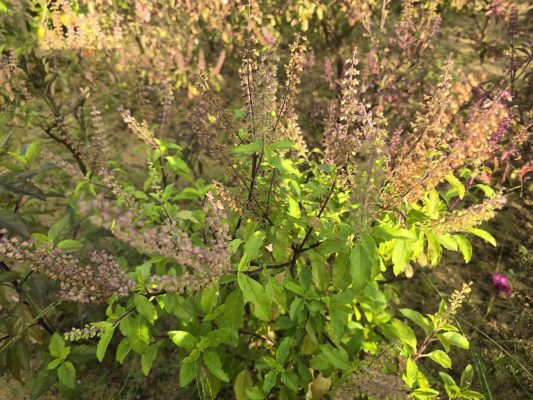
Holy basil is an aromatic herb belonging to the mint family and has long been used in traditional medicine and folk life across many Asian countries.
The plant features square stems, green or purple leaves covered with fine hairs, and a strong distinctive fragrance due to its high content of natural essential oils.
Historically, Holy basil has been used for herbal steam baths, hair washing, relieving colds, and cleansing the body. This herb thrives in tropical climates, is easy to cultivate, and is considered a symbol of purity, wellness, and natural energy.
Enegertics of Holy basil
Holy basil is considered to have warm and dry energetic properties, making it especially suitable for people with cold and damp constitutions.
When using the flowers of holy basil, the flavor becomes softer and naturally sweet, making it suitable not only for people with dry constitutions but also for many other body types. This herb is often used to help warm the body, promote relaxation, and support the body’s natural energetic balance.
Health benefits of Holy basil
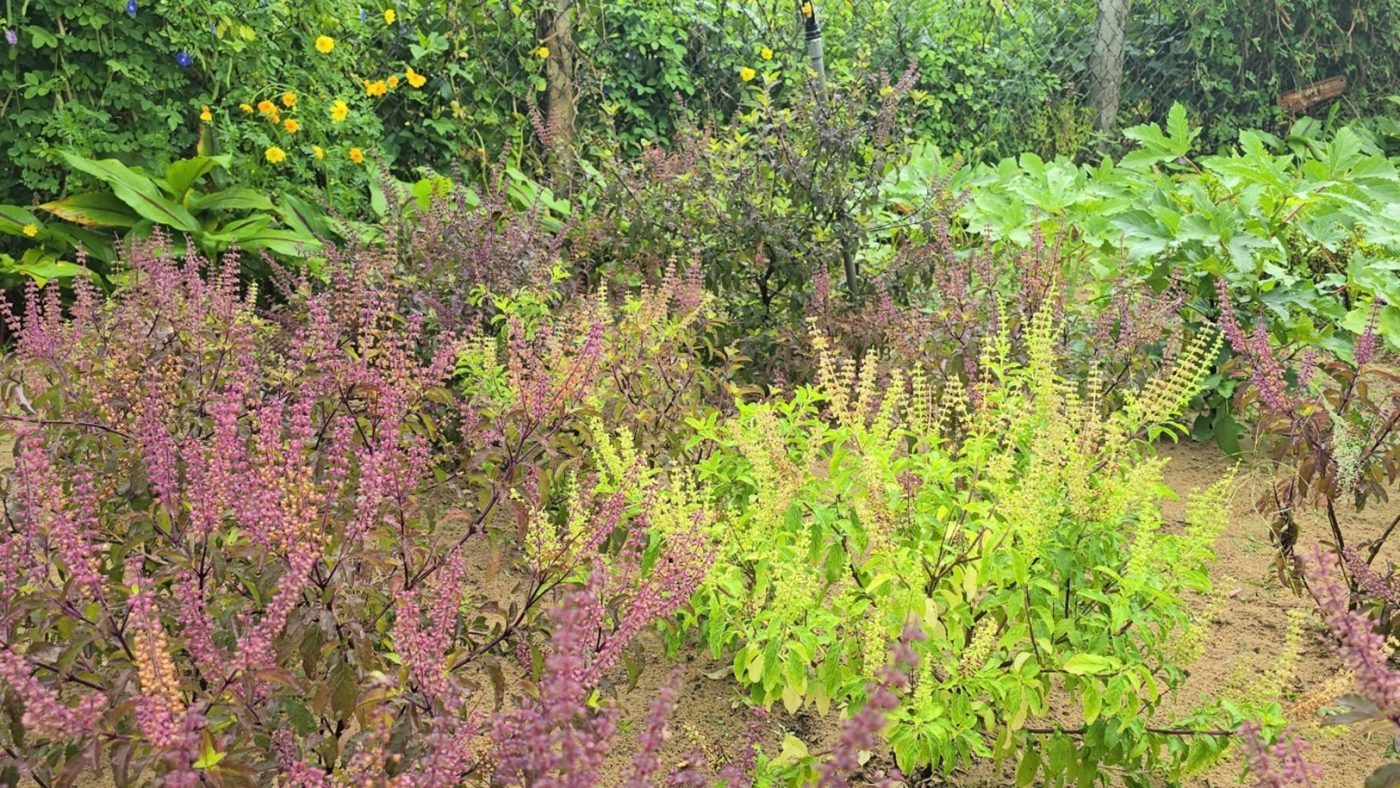
Holy Basil is an aromatic herb whose leaves and flowers produce a sweet and attractive fragrance that strongly attracts bees, especially small honey bees. A single flowering plant may host more than 100 bees at a time. In my 3,000-square-meter garden filled with many flowers such as roses, jasmine, and basil, bees consistently prefer Holy Basil, which makes me feel that this herb is truly unique and special.
In the traditional Indian Ayurvedic system, Holy Basil is also known as “Tulsi,” meaning “the incomparable one,” due to its sacred qualities. It has long been regarded as an herb of longevity, the “Queen of Herbs,” and a healing gift from Mother Nature. According to herbalists David Winston and Steven Maimes, authors of the book Adaptogens, Holy Basil is classified as a Rasayana herb — a category of rejuvenating plants believed to nourish overall health and support longevity.
One of the most valued benefits of Holy Basil is its supportive effect on the brain and nervous system. It is traditionally used to help the body and mind regain balance, reduce stress and anxiety, and promote mental clarity. Research suggests that Holy Basil may have positive effects for people experiencing chronic stress, anxiety, depression, brain fog, poor memory, slow thinking, attention difficulties such as ADHD, and recovery from neurological fatigue or brain-related stress.
In addition, the flowers of Holy Basil have a naturally sweet flavor and are considered deeply nourishing for both body and mind. They are traditionally associated with supporting cardiovascular health, improving sleep quality, and restoring vitality. This herb is especially beneficial for people with low energy levels, frequent fatigue, emotional exhaustion, or difficulty achieving deep and restful sleep.
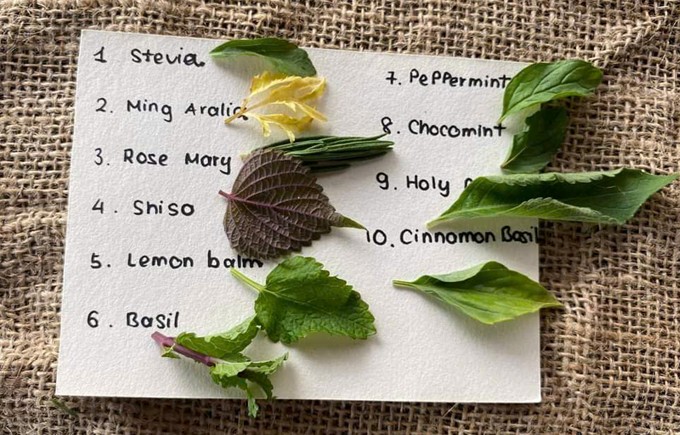
Holy Basil has a naturally sweet taste and is traditionally considered beneficial for people with diabetes. Several studies suggest that Holy Basil may help reduce both fasting and post-meal blood glucose levels. Its effects can be significant enough that individuals using insulin or other blood sugar–lowering medications should use this herb with caution and under professional guidance.
Holy Basil is also known for supporting and regulating the immune system. Traditionally, it has been used to help relieve asthma, loosen phlegm, and clear mucus accumulation in the lungs. It is especially valued for people who frequently experience respiratory issues such as sore throat, bronchitis, or lung inflammation.
In addition, Holy Basil supports digestive health by helping relieve bloating, acid reflux, poor appetite, and nausea. These benefits are often enhanced when the herb is combined with ginger and honey. Holy Basil also possesses natural anti-inflammatory and antifungal properties. In Vietnam, it is commonly boiled into a herbal wash for treating dandruff and fungal scalp conditions.
How to use Holy basil
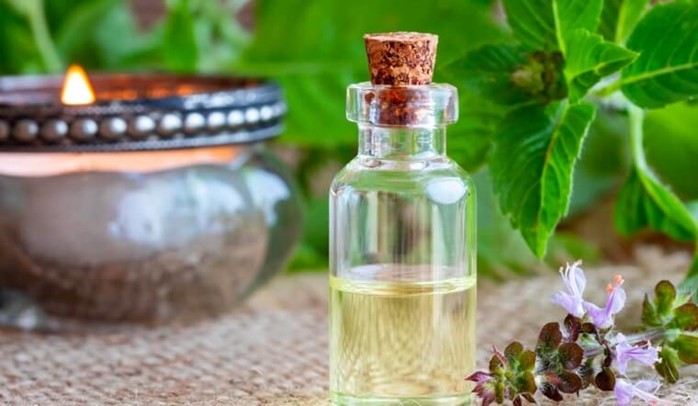
Holy Basil can be used in cooking, herbal tea preparation, bathing, hair care, and essential oil extraction.
In cooking, fresh Holy Basil leaves can be used directly like other culinary basil varieties. They pair well with stir-fried dishes containing chicken, pork, mushrooms, or vegetables. The leaves may also be dried, finely ground into powder, and used as a seasoning for meat, fish, seafood, or as an aromatic spice similar to pepper.
For herbal tea, it is recommended to use both the dried leaves and flowers of Holy Basil. The flowers are especially loved by bees in our garden because of their sweet fragrance and rich nectar and essential oil content. Holy Basil tea can be combined with ginger and honey to support the body during colds, flu, and fatigue. It may also be blended with cinnamon for an evening tea that helps calm stress, balance the mind, restore energy, and promote deeper sleep, making it beneficial for people experiencing exhaustion, emotional tension, or difficulty sleeping soundly.
For bathing and hair care, fresh or dried Holy Basil can be boiled in water, or its essential oil may be diluted into warm bath water. Traditionally, it has been used to support skin health, relieve fungal skin conditions, and reduce dandruff or scalp fungus. Holy Basil is often combined with peppermint, lemongrass, and rosemary to enhance its antibacterial, antifungal, and cleansing properties for skin and hair care.
Holy Basil essential oil may also be applied to pillows in a similar way to lavender oil, or diffused in a bedroom. Inhaling the aroma is traditionally believed to help improve mood, calm the nervous system, support mental clarity, and encourage deeper, more restful sleep.
It should be noted that Holy Basil has traditionally been associated with reduced fertility potential. People who are trying to conceive may therefore wish to limit its use in food and beverages.
Tips
If you are over 40 years old, drinking Holy Basil tea regularly may help nourish both body and mind, improve overall quality of life, and support healthy longevity.
How to Grow and Process Holy basil
Holy Basil is commonly grown from seeds or stem cuttings in loose, organic-rich, well-drained soil. The plant thrives in warm, sunny climates, requires moderate watering, and benefits from regular pruning to encourage abundant branching and fragrant leaf growth.
After around 2–3 months, the plant can be harvested by cutting the stems and leaves in the morning, when the essential oil content is at its highest.
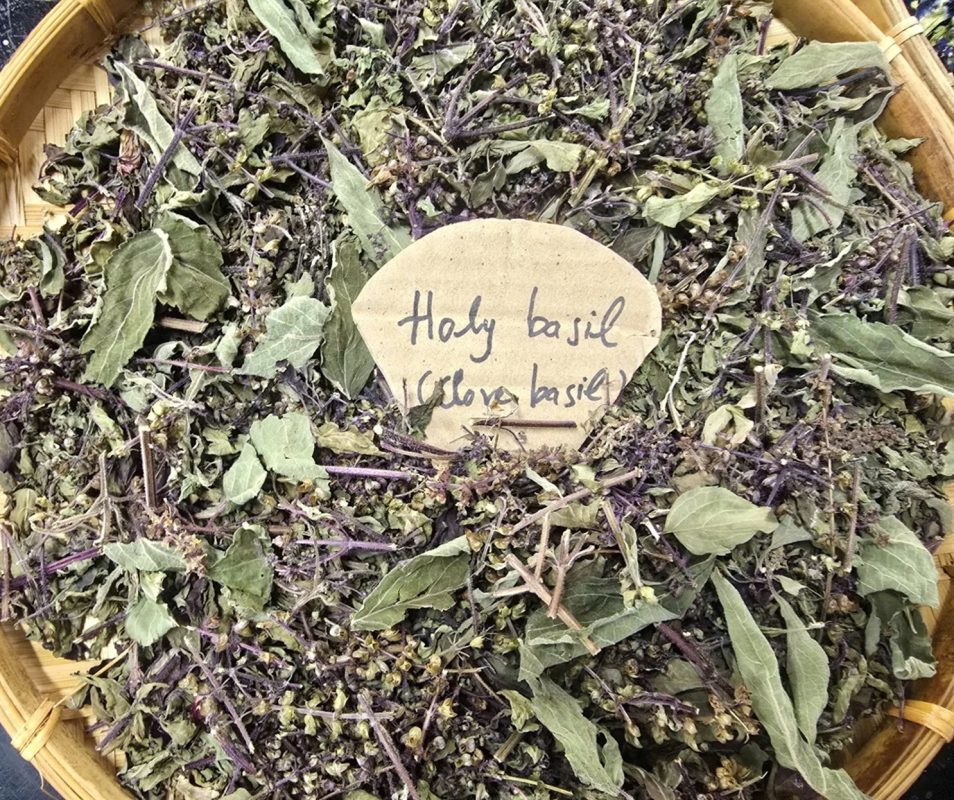
After harvesting, the leaves and flowers of Holy Basil are carefully washed and dried in the shade or gently dehydrated at a low temperature of around 60°C to preserve their natural aroma and color. They can then be ground into a fine powder for use as a culinary seasoning.
After drying or powdering, the products should be stored in sealed glass jars or paper bags in a dry place, protected from direct sunlight and insects to maintain their quality and freshness.
Products containing Holy basil from our farm
- Holy basil Tea
- Holy basil and cinnamon Tea
- Holy basil powder
- Holy basil essential oil