


 Tiếng Việt
Ming Aralia – Herbs that nourish and restore your well-being
Description of Ming Aralia
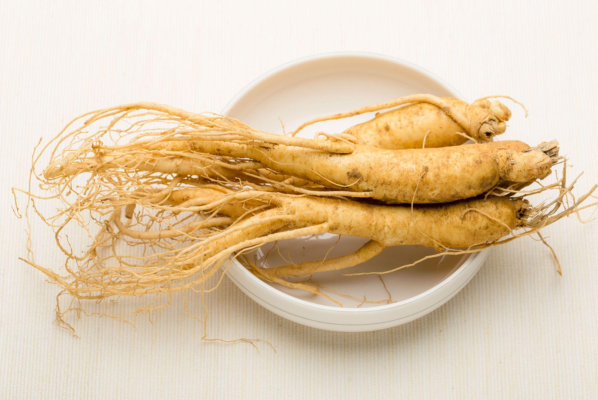
Dinh Lang (Polyscias fruticosa) is a medicinal herb belonging to the Araliaceae family and has been used for centuries in traditional Vietnamese and Asian medicine. It is often called the “poor man’s ginseng” because of its nourishing properties and its ability to thrive in tropical climates.
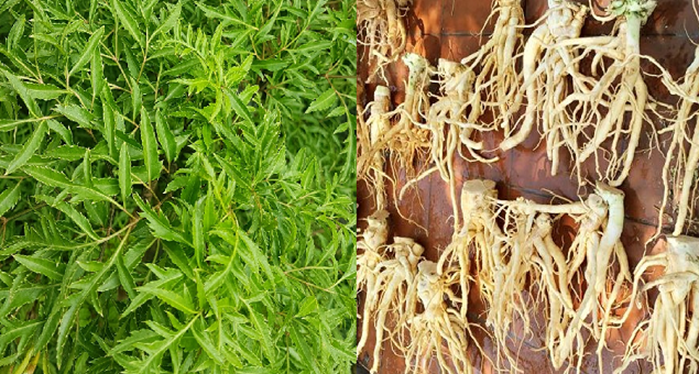
Dinh Lang is a small shrub that grows about 1–2 meters tall, with soft stems, many branches, and distinctive finely divided green leaves. Its leaves, stems, and especially the roots are commonly used in food, herbal tea, and traditional remedies to support health and well-being.
Enegertics of Ming Aralia
According to traditional Eastern medicine and energetic perspectives, Ming aralia is generally considered to have a mildly warming nature, neither too hot nor too cold. In terms of dry and moist qualities, it is viewed as relatively balanced, though slightly drying and circulation-promoting.
The leaves carry a gentler, more calming and relaxing energy, while the roots are considered warmer and more strongly nourishing. Because of this balanced energetic nature, Ming aralia is often regarded as suitable for many different body constitutions, whether hot or cold, dry or damp.
Health benefits of Ming Aralia
Ming aralia is a well-known medicinal herb in traditional Vietnamese medicine. Its leaves, stems, and especially the roots contain various beneficial compounds such as saponins, flavonoids, B vitamins, amino acids, and natural antioxidants.
Ming aralia and ginseng both belong to the same plant family, Araliaceae, commonly known as the “ginseng family.” However, Ming aralia is not a true ginseng. Although the two plants are closely related, they belong to different genera:
- Ming aralia: genus Polyscias
- Ginseng: genus Panax
Because they are botanically related and both contain saponins – active compounds known for their nourishing, adaptogenic, and health-supporting properties – Ming aralia is often referred to in folk tradition as the “poor man’s ginseng.” It has long been valued for its restorative effects and wide range of health-supporting benefits.
Supports overall health and strengthens immunity
The roots and leaves of Ming aralia are traditionally used to nourish the body and support recovery from fatigue, weakness, or physical exhaustion. Some studies suggest that the saponins found in Ming aralia may help improve the body’s ability to adapt to stress and support immune function.
Supports blood circulation and brain function
Ming aralia has been used in traditional remedies to help improve blood circulation, reduce headaches and dizziness, and promote mental clarity. Experimental studies have shown that extracts of Ming aralia may help enhance blood flow and protect nerve cells.
Helps reduce fatigue and improve stamina
The natural adaptogenic compounds in Ming aralia may help the body resist fatigue, increase endurance, and support recovery after physical activity. For this reason, it is commonly prepared as herbal wine, tea, or nourishing soup.
Supports relaxation and sleep
In traditional medicine, Ming aralia leaves are considered to have mild calming properties. The dried leaves are often brewed as tea or used in herbal pillows to promote relaxation, better sleep, and reduced nervous tension.
Anti-inflammatory and antioxidant properties
Ming aralia contains flavonoids and polyphenols with antioxidant activity that may help protect cells from free radical damage. Some studies also suggest that Ming aralia extracts have mild anti-inflammatory and antimicrobial effects.
Supports digestion
The leaves and roots are sometimes used to help relieve bloating, indigestion, and stimulate appetite. In Vietnamese cuisine, fresh Ming aralia leaves are also commonly served with salads, spring rolls, and wrapped dishes.
Supports postpartum recovery
In Vietnamese folk tradition, Ming aralia is often used for women after childbirth to help nourish the body, support lactation, and promote recovery. The leaves may be used in herbal baths or traditional meals.
Supports joint and bone health
Some traditional remedies use Ming aralia roots to help relieve body aches, lower back pain, and joint discomfort due to their circulation-supporting and anti-inflammatory properties.
How to use Ming Aralia
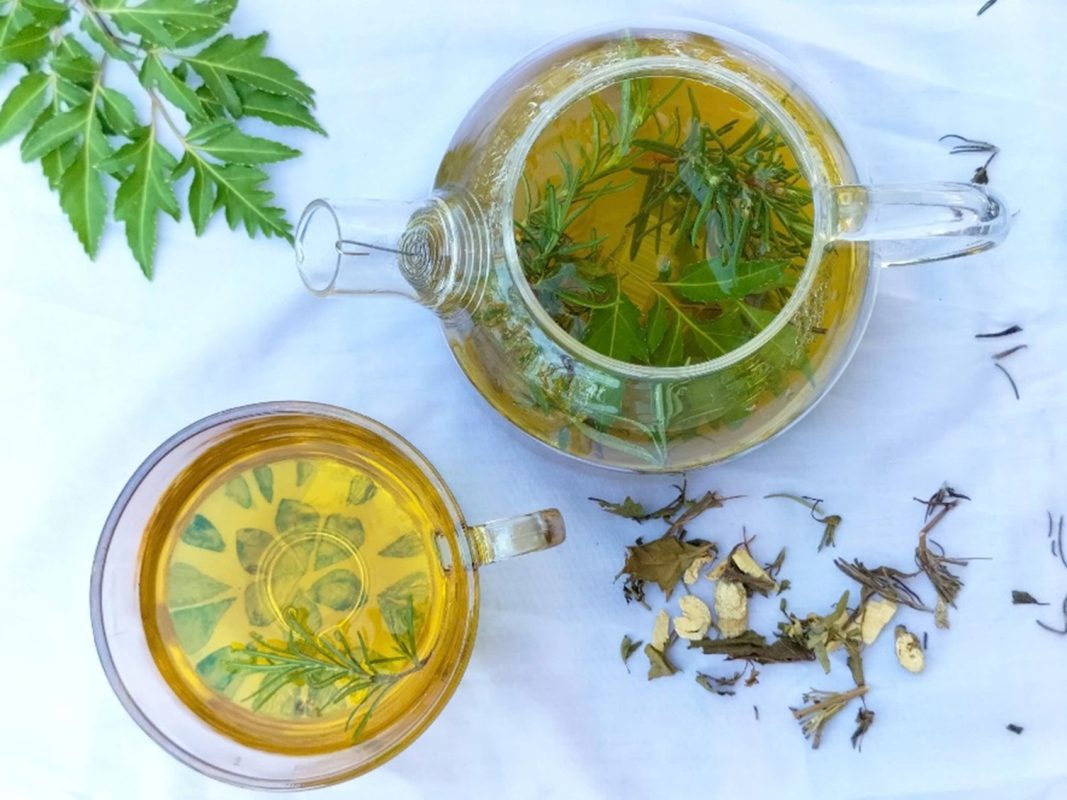
Ming aralia can be used in many different ways in daily life, ranging from food and herbal tea to traditional remedies. The leaves, stems, and roots are all commonly used.
Dried Ming aralia leaves or roots may be brewed as herbal tea. About 5–10 grams of dried leaves or roots can be steeped in hot water for 10–15 minutes and consumed 1–2 times per day.
Ming aralia leaves are a familiar culinary herb in Vietnamese cuisine. They may be eaten fresh with salads, spring rolls, and wrapped dishes, or cooked in soups and stews with chicken or meat as an aromatic herb.
Older Ming aralia roots are often used in nourishing soups and tonic dishes. Roots from plants aged 3–5 years are also commonly soaked in rice wine. The roots are washed, dried, and infused in rice wine for several months before being consumed in small amounts. Traditionally, Ming aralia wine is believed to support circulation, improve stamina, and help relieve body aches.
After drying, the roots or leaves may also be ground into powder, cooked into concentrated herbal paste, or used in capsules and instant herbal tea products.
Ming aralia leaves are sometimes used for herbal baths, herbal pillows, or steam therapy to promote relaxation and deeper sleep.
Precautions for use
- Ming aralia should not be consumed excessively or continuously for long periods, as high levels of saponins may cause fatigue or digestive discomfort.
- Pregnant women, young children, and people taking medication should consult a healthcare professional before regular use.
- Ming aralia roots are best harvested from mature plants, usually over three years old, to ensure better active compound quality.
Tips
It is a wonderful idea to grow a few Ming aralia plants around your home. With their elegant shape and delicate leaves, they make beautiful ornamental plants while also bringing a peaceful and calming energy to the living space.
The leaves can be used in cooking, brewed as herbal tea, or dried and placed inside pillows to help promote deeper and more restful sleep.
How to Grow and ProcessMing Aralia
Ming aralia is commonly propagated from stem cuttings because the plant is easy to grow and adapts well to tropical climates.
Choose healthy, disease-free branches about 20–30 cm long. Plant the cuttings in loose, well-drained soil rich in organic matter. During the early growing stage, place the plant in an area with gentle sunlight or partial shade. Keep the soil moderately moist, but avoid waterlogging, as the roots are prone to rot.
Once established, Ming aralia prefers natural sunlight and benefits from regular pruning to encourage the growth of more branches and leaves. Compost or well-decomposed organic fertilizer can be added to help the plant grow vigorously.
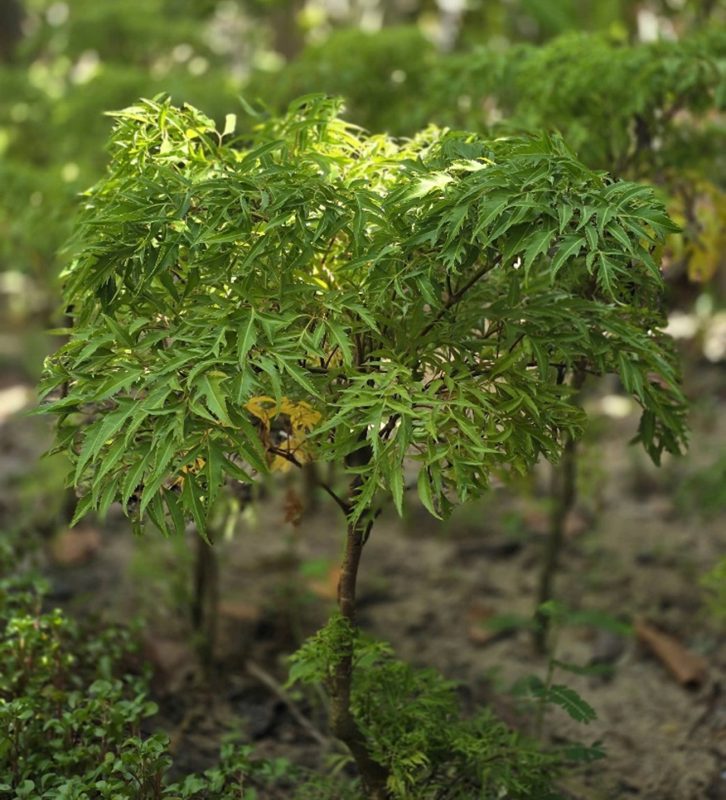
The leaves may be harvested after a few months, while the roots usually require 3–5 years to develop better medicinal value.
For preparation methods such as herbal tea, infused wine, herbal paste, or powder, please refer to the section on how to use Ming aralia.
Products containing Ming aralia from our farm
- Ming aralia and rosemary Tea
- Aroma bag help relax and sleeping