Tiếng Việt
Rosemary – Preserving memories, nurturing the mind
Description of Rosemary
Rosemary is a herb native to the Mediterranean region and has been used for more than 2,000 years in cooking, traditional medicine, and cultural rituals. In ancient Greece and Rome, rosemary was regarded as a symbol of memory, loyalty, and remembrance.
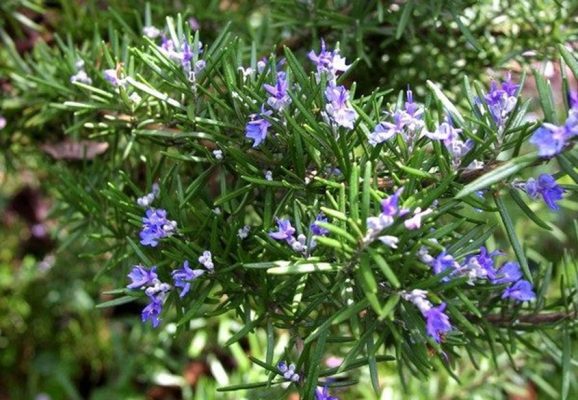
Rosemary is an evergreen shrub with narrow needle-like leaves and a strong, refreshing aroma. Its leaves contain many natural essential oils, making the plant widely used as a culinary herb, herbal tea, essential oil, and natural wellness ingredient.
Enegertics of Rosemary
Rosemary is traditionally considered to have a warm and dry energetic nature, making it especially suitable for people with cold and damp body constitutions. Rosemary also contains aromatic essential oils with gently dispersing properties, which may help dry excess moisture in the nose and throat and support clearer breathing during conditions associated with dampness or nasal congestion.
Health benefits of Rosemary
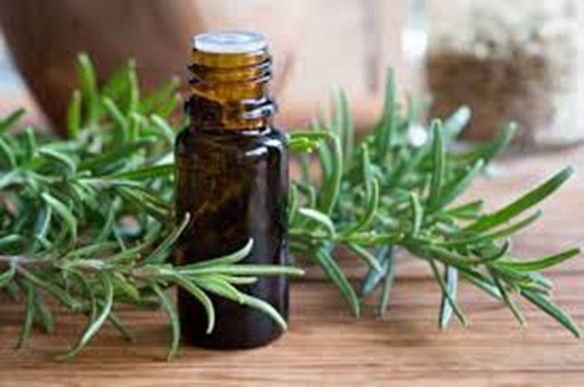
Rosemary is an herb rich in essential oils and antioxidant compounds that has long been used in culinary traditions and herbal medicine. Modern scientific research suggests that rosemary may provide several potential health benefits.
Rosemary has a highly distinctive aroma, and this fragrance has been associated with memory and brain function support. Some studies suggest that the scent of rosemary, particularly the compound 1,8-cineole, may help increase alertness, improve concentration, and support both short-term and long-term memory.
For this reason, in some cultures around the world, people traditionally wear a sprig of rosemary during important occasions such as weddings and funerals to help preserve memories of those moments. In ancient Greece, students were also known to smell rosemary while studying and during examinations to support concentration and memory.
Rosemary is not only associated with memory enhancement but may also help support cognitive function in older adults, including individuals experiencing age-related cognitive decline such as Alzheimer’s disease.
Rosemary is also considered one of the most powerful antioxidant herbs. It contains rosmarinic acid, carnosic acid, and flavonoids, which help protect cells from oxidative stress and may contribute to slowing aspects of the aging process.
Its strong antioxidant activity has also been demonstrated in food research. When meat is grilled or fried at high temperatures, harmful compounds associated with cancer risk may form. Studies have shown that adding rosemary extract during high-heat cooking can significantly reduce the formation of some of these compounds, suggesting that rosemary’s antioxidants may help inhibit their production.
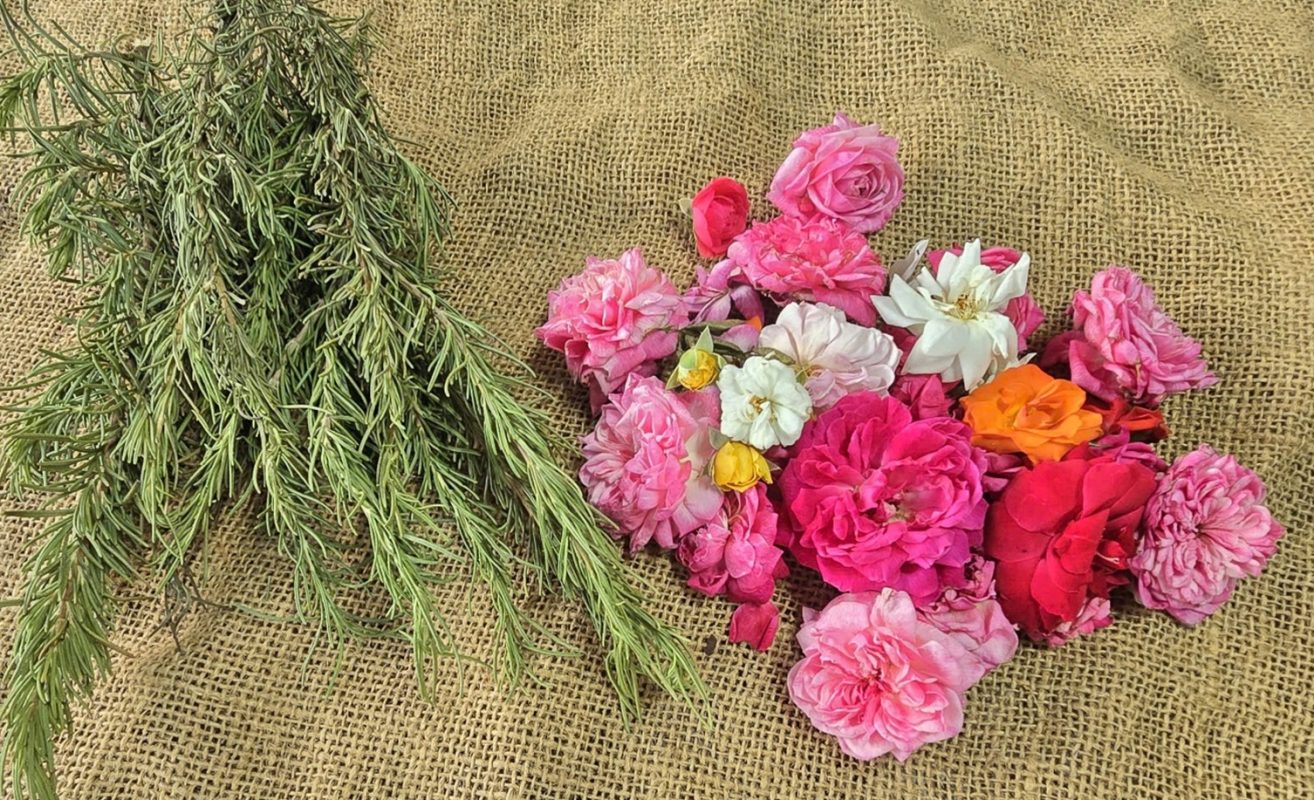
The essential oil from rosemary leaves has warming and gently dispersing properties that may support cardiovascular circulation, improve mood, reduce mental fatigue, and promote a more positive emotional state.
Rosemary essential oil may also help stimulate digestion and support symptoms such as indigestion, bloating, belching, nausea, and gas. Using rosemary in meat-based dishes may additionally help support liver function and improve the digestion of fats.
How to use Rosemary
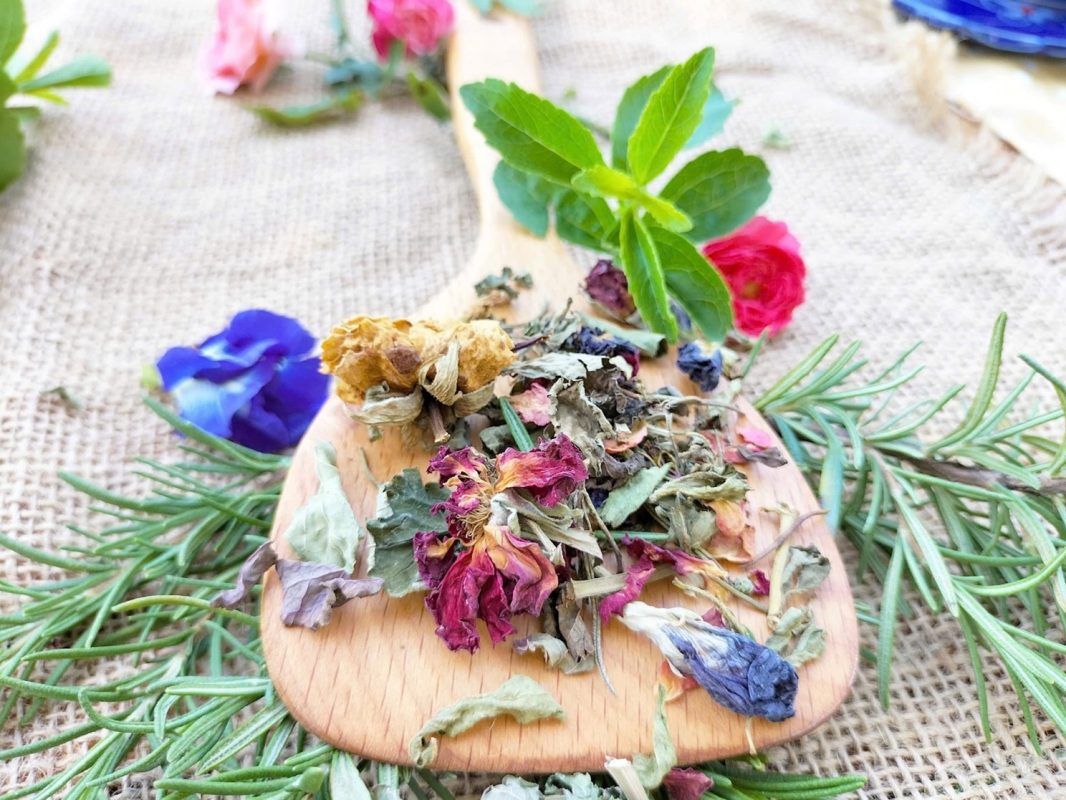
Rosemary can be used in cooking, herbal tea, medicinal alcohol preparations, essential oils, and herbal steam therapy.
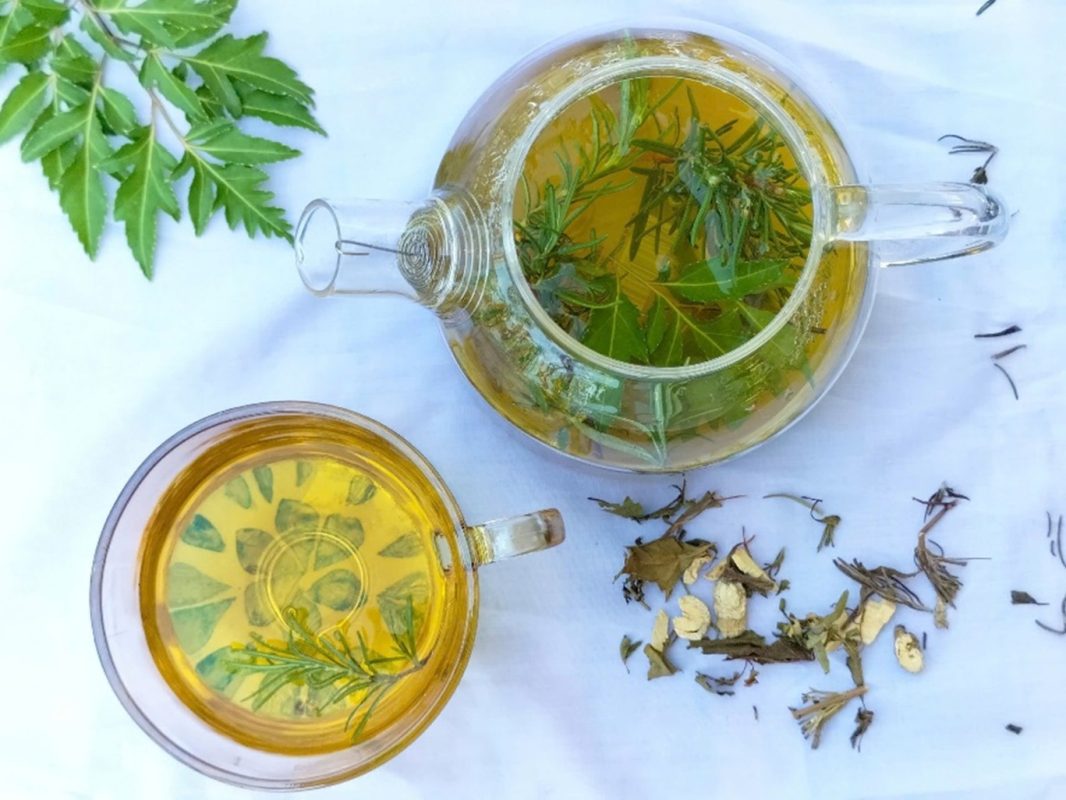
In cooking, rosemary may be used fresh, dried, or in powdered form. For herbal tea, dried rosemary is often preferred because it provides a stronger and more pleasant aroma. Rosemary tea has a mildly bitter flavor, so it is commonly blended with rose, jasmine, stevia, or cinnamon to create a more balanced and harmonious taste.
Because rosemary has natural antimicrobial properties, it has traditionally been used in meat preparation and preservation. Marinating meat with rosemary may help extend freshness and maintain meat quality.
Fresh or dried rosemary can also be prepared as an herbal steam or combined with diluted rosemary essential oil in warm water for steam inhalation during colds and flu, as well as for foot soaking, bathing, and hair washing.
In addition, fresh or dried rosemary can be infused in hot water for about 30 minutes and then used to massage the scalp. This traditional practice is commonly used to help reduce hair loss and support hair growth. For enhanced effects, rosemary is often combined with a small amount of coconut oil. Coconut oil has moisturizing properties and has long been traditionally used in Vietnam for dry or damaged hair and to support healthy hair growth.
Tips
Place a few sprigs of rosemary in your bedroom. The refreshing aroma of rosemary may help support circulation, promote relaxation, improve mood, and nourish the mind and brain.
How to Grow and ProcessRosemary
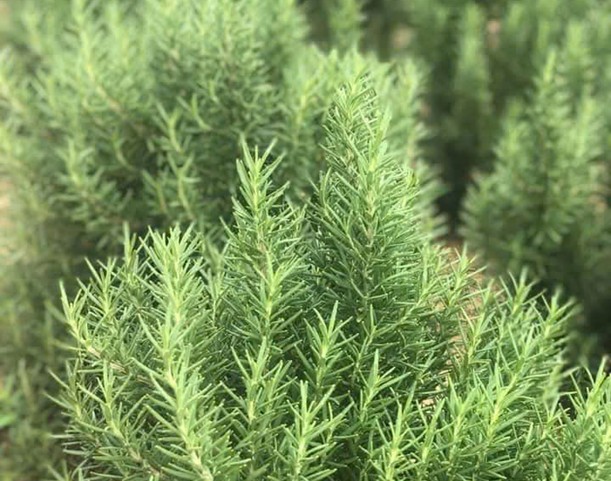
Rosemary is commonly propagated from stem cuttings and grown in loose, well-drained soil rich in organic matter. The plant thrives in warm, sunny conditions and requires moderate watering, as rosemary is relatively drought tolerant.
To maintain healthy growth, rosemary should be pruned regularly to encourage new shoots and improve air circulation. After several months of growth, the young branches can be harvested, preferably in the morning when the essential oil content and aroma are at their highest quality.
Rosemary can be used fresh or dried for herbal tea, culinary seasoning, essential oils, and natural wellness products. When drying rosemary, it is best to use low temperatures below 60°C or naturally air-dry the plant in a shaded, well-ventilated area to preserve its color and aromatic compounds.
After drying, it should be stored in sealed glass jars or airtight bags in a cool, dry place, where it can be preserved for approximately 6 months to 1 year.
Products containing Rosemary from our farm
- Flowers Tea (mix from rose, rosemary, mint and stevia)
- Ming aralia and rosemary Tea
- Rose tonic (rose and rosemary and hydrosol)
- Rosemary essential oil