


 Tiếng Việt
Green Tea – The World’s Most Loved Herbal Tea
Description of Green Tea
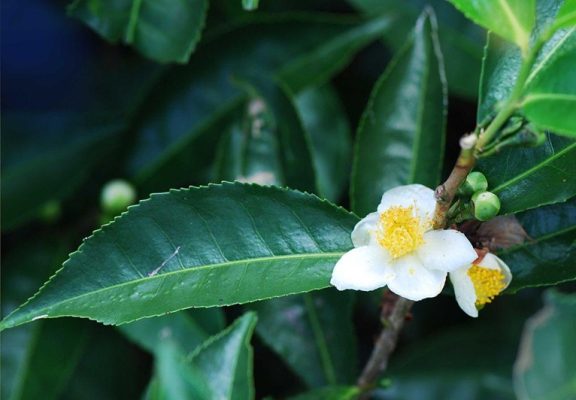
Green tea originated in China more than 4,000 years ago and gradually became an important part of tea culture across many Asian countries. The tea plant, scientifically known as Camellia sinensis, belongs to the tea family (Theaceae) and grows best in cool, humid climates with organic-rich soil.
The plant has dark green leaves with finely serrated edges. Young buds and tender leaves are the main parts harvested for tea production.
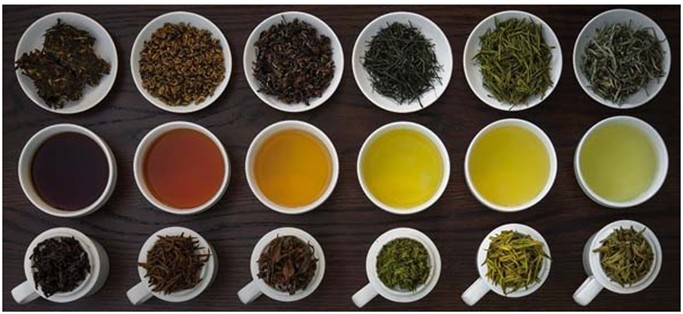
Green tea, black tea, oolong tea, and pu-erh tea all come from the same tea plant. Their differences mainly result from the processing methods used after harvesting and the level of oxidation during production.
- Green Tea: The leaves are steamed or pan-fired immediately after harvesting to prevent oxidation, helping preserve their natural green color and fresh flavor. Green tea is typically rich in catechins and antioxidants.
- Oolong Tea: The leaves are partially oxidized after harvesting, giving oolong tea characteristics that lie between green tea and black tea. It is known for its floral aroma, smooth taste, and complex flavor profile.
- Black Tea: The leaves are fully oxidized after harvesting, producing a darker color and stronger flavor. Black tea is widely consumed in Western countries and is often enjoyed with milk or spices.
The oxidation process generally involves the following steps:
- Withering: The leaves lose some moisture and become softer.
- Rolling or twisting: The leaf cells are gently broken, allowing enzymes to interact with oxygen.
- Oxidation: The leaves are exposed to air and gradually change color from green to reddish-brown through natural oxidation reactions.
- Drying or heating: Heat is applied to stop oxidation at the desired level.
Enegertics of Green Tea
According to traditional Eastern medicine and natural energy-based perspectives, green tea is considered cooling in nature with slightly drying properties. It is traditionally used to help clear internal heat, soothe the body, support cooling, and promote mental clarity. For this reason, green tea is often considered especially suitable in hot weather or for individuals with a “heat” constitution.
Green tea also has mild astringent properties that may help reduce excess oil and support natural detoxification. However, excessive consumption may contribute to dryness, stomach discomfort, or a cold sensation in people with a naturally cold or sensitive digestive system.
Health benefits of Green Tea
Green tea leaves are among the oldest herbal plants traditionally used in Asia. Rich in polyphenols—especially catechins and EGCG (Epigallocatechin Gallate)—green tea has been widely studied for its potential benefits to both physical and mental health.
Green tea contains high levels of antioxidants that help protect cells from free radical damage and may slow the aging process. EGCG is one of its most notable compounds and has been associated with potential protective effects on cardiovascular health, skin health, brain function, metabolic disorders, and certain types of cancer.
Green tea naturally contains caffeine combined with L-theanine, a unique amino acid that may help improve focus and alertness while providing a calmer and gentler stimulation compared to coffee, with less nervousness or jitteriness.
Many studies suggest that green tea may support cardiovascular health by helping reduce LDL (“bad”) cholesterol, improve blood circulation, and support healthy blood pressure levels.
Catechins in green tea may also help increase energy metabolism and fat oxidation, which could support weight management and healthy blood lipid levels.
Compounds found in green tea are believed to support memory, concentration, and the protection of nerve cells against age-related decline. Green tea may also have beneficial effects related to insulin sensitivity and type 2 diabetes management.
In addition, green tea has anti-inflammatory and antioxidant properties that may help soothe the skin, reduce excess oil production, and support acne care.
The polyphenols and flavonoids in green tea also possess antibacterial properties that may benefit oral health and support the body’s natural immune system.
Beyond its health benefits, green tea has long been connected with relaxation, mindfulness, and emotional balance in East Asian culture through the traditional art of tea drinking.
How to use Green Tea
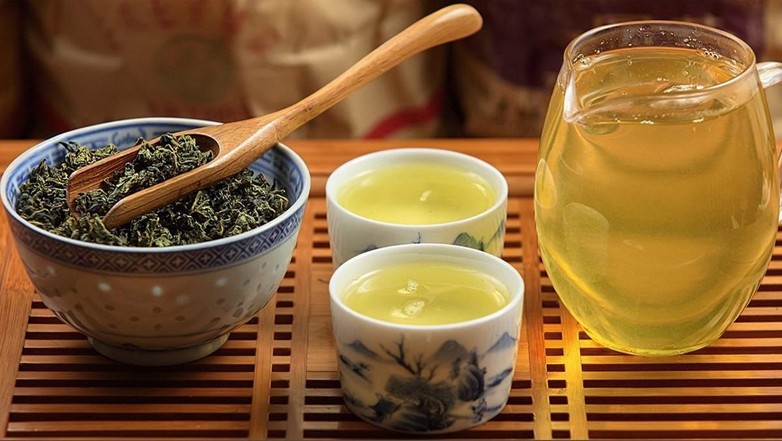
Green tea is most commonly consumed as a brewed beverage. Typically, 3–5 grams of dried tea leaves are steeped in hot water at around 70–85°C (158–185°F) for 1–3 minutes to preserve its delicate flavor and avoid excessive bitterness. The leaves can often be brewed multiple times.
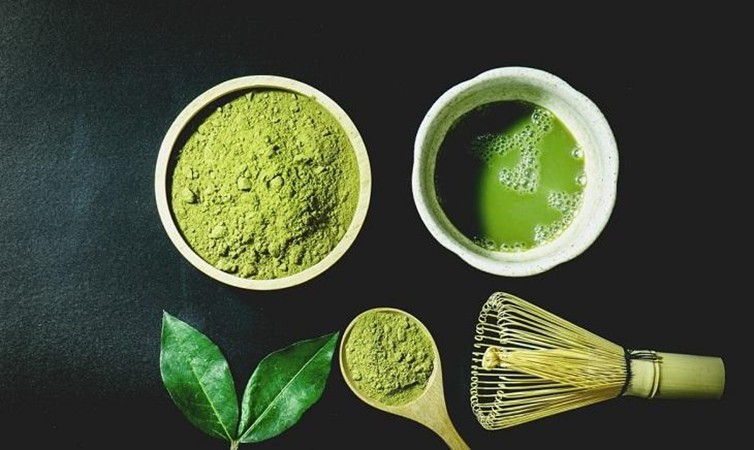
Green tea can also be processed into matcha or green tea powder, where finely ground tea leaves are used in beverages, smoothies, desserts, baked goods, and various natural foods.
In skincare, green tea is commonly used in toners, facial steams, masks, and cleansing solutions due to its soothing, oil-balancing, and antioxidant properties.
Fresh or dried green tea leaves may also be boiled for herbal baths or steam treatments to help relax the body, cleanse the skin, and create a refreshing sensation.
In Asian cuisine, green tea is often used to add flavor and aroma to rice dishes, cakes, ice cream, candies, and traditional recipes.
Precautions for use:
- Avoid using boiling water, as excessively high temperatures can make the tea bitter and reduce some heat-sensitive compounds such as vitamin C.
• It is best not to drink green tea on an empty stomach, as it may cause digestive discomfort. Drinking it too late in the evening may also interfere with sleep because of its natural caffeine content. - Green tea can be combined with ginger, honey, or warming herbs to help balance its naturally cooling properties.
Tips
Green tea should not be consumed excessively, and the appropriate amount may vary from person to person. It is best to start with a moderate intake, observe how your body responds, and gradually determine the amount that works best for your individual needs and tolerance.
How to Grow and Process Green Tea
The tea plant is commonly propagated by seeds or stem cuttings and grows best in loose, well-drained soil rich in organic matter. It thrives in cool, humid climates with gentle sunlight and consistent rainfall.
For healthy growth, growers typically:
- Keep the soil evenly moist without waterlogging
- Apply compost or organic fertilizers regularly
- Prune the plants frequently to encourage the growth of young tea buds
• Cultivate tea in hilly or highland regions, where environmental conditions often enhance tea flavor and quality
After approximately 2–3 years of cultivation, the tea plants begin producing stable harvests. The main parts collected for tea production are the young buds and the first one or two tender leaves below them.
The processing methods for green tea, black tea, and oolong tea are described in the previous section.
Products containing Green Tea from our farm
- Green tea Tea
- Green tea powder