


 Tiếng Việt
Coffee Beans – Awakens all your senses

Description of coffee
Coffee originates from the highlands of Ethiopia in Africa and has been used by humans for hundreds of years. It later spread to the Arab world, Europe, and then worldwide, becoming one of the most popular beverages today.
The coffee plant is a small woody tree with dark green leaves, lightly fragrant white flowers, and red ripe fruits known as “coffee cherries.” The seeds inside these fruits are roasted to develop the characteristic aroma and flavor of coffee.
Today, there are many types of coffee, but the most common are Arabica, Robusta, Liberica, and Excelsa. They all belong to the coffee family, contain caffeine, and are used for brewing beverages. However, they differ in taste, shape, and growing conditions.
Similarities:
- All are small woody plants that grow in tropical regions.
- Their seeds are roasted to create characteristic aroma and flavor.
- They contain caffeine, which helps increase alertness and energy.
- They all have economic value and are widely cultivated around the world.


| Coffee type | Flavor characteristics | Caffeine content | Growing conditions |
|---|---|---|---|
| Arabica | Mild acidity, aromatic, refined taste | Lower | Cool climates, high-altitude regions |
| Robusta | Strong, bitter, bold taste | Higher | Hot climates, easy to grow |
| Liberica | Strong aroma, unique and unusual flavor | Medium | Heat-tolerant |
| Excelsa | Light acidity, fruity aroma | Medium | Often used for blending |
Arabica and Robusta are the most common types worldwide.
- Arabica coffee is highly valued for its quality and aromatic profile.
- Robusta coffee has a stronger taste, higher caffeine content, and is widely cultivated in Vietnam.
Enegertics of coffee beans
Coffee has a bitter taste, so it is considered to have a cooling and drying energy, making it suitable for people with a hot and damp body constitution.
Health benefits of coffee beans

The most noticeable and primary effect of coffee is its stimulating property. In essence, coffee “awakens” various functions in the body and activates physiological activity. Shortly after consumption, it can increase heart rate, enhance blood circulation, stimulate urinary function, and activate digestive enzymes as well as intestinal motility, thereby promoting overall digestive activity.
Caffeine in coffee also stimulates the central nervous system, helping reduce fatigue, increase alertness, and improve concentration. Many studies have shown that caffeine can enhance short-term memory, reaction speed, and cognitive performance. This is why coffee is commonly used to support studying, working, and creative activities.
This strong stimulatory effect makes people feel mentally alert and physically energized. As a result, coffee is one of the most widely consumed and appreciated beverages in the world.
In addition, caffeine and antioxidants in coffee may help protect nerve cells, reduce inflammation, and improve cerebral blood circulation. Numerous studies suggest that moderate coffee consumption is associated with a lower risk of neurodegenerative diseases, including Parkinson’s disease, Alzheimer’s disease, and age-related cognitive decline.
Coffee is also rich in antioxidants such as chlorogenic acid and polyphenols, which help neutralize free radicals, reduce oxidative stress, support natural anti-inflammatory processes, and protect cells from early damage. These effects may contribute to slowing the aging process and supporting overall health.
Large epidemiological studies have also shown that regular coffee consumption is associated with a reduced risk of type 2 diabetes. This is believed to be due to improved insulin sensitivity, enhanced glucose metabolism, and reduced chronic inflammation related to metabolic disorders. These benefits are observed in both caffeinated and decaffeinated coffee, highlighting the important role of bioactive compounds in coffee beans.
Coffee may also support liver health by assisting the body’s detoxification processes. In addition, it has a mild laxative effect and can help reduce constipation.
Beyond physiological effects, coffee also supports mental and emotional well-being. Some studies suggest that moderate coffee consumption is associated with:
- Improved mood
- Reduced risk of depression
- Increased energy and motivation
Finally, beyond its biological effects, the aroma and the experience of drinking coffee can promote relaxation and enhance social connection.
How to use coffee beans
Coffee offers many health benefits when consumed in moderation. However, excessive intake or consumption that is not suitable for an individual’s body condition may lead to several negative effects on both physical and mental health. These can include insomnia, poor sleep quality, irregular heart rhythm, palpitations, anxiety, and increased stress levels. It may also reduce the absorption of essential minerals such as iron and calcium.
Overuse of coffee can continuously overstimulate the sympathetic nervous system while suppressing the parasympathetic nervous system. As a result, a person may feel energetic on the surface, but in reality, the body is under strain and not truly well. In this state, the body needs proper rest, balanced nutrition, and recovery to restore its natural energy balance.

Dosage:
Coffee should not be consumed in excessive amounts, generally no more than 2–3 cups per day. However, the appropriate amount may vary depending on each individual’s body response. People who are easily sensitive or overstimulated by coffee should consider choosing decaffeinated or low-caffeine options.
Because caffeine has a strong stimulating effect, excessive intake may keep the body in a prolonged state of stress and prevent it from naturally resting and recovering.
Timing:
It is not recommended to drink coffee after 2–3 p.m., as it may interfere with deep sleep quality at night. Prolonged stimulation of the heart over time may also negatively affect cardiovascular health.
In addition, it is advisable to limit coffee combined with large amounts of sugar, milk, or cream, as this may have negative effects on digestive health.
Tips
It is recommended to choose pure coffee and organically farmed coffee to ensure safety and maximize health benefits.
How to Grow and Process coffee beans
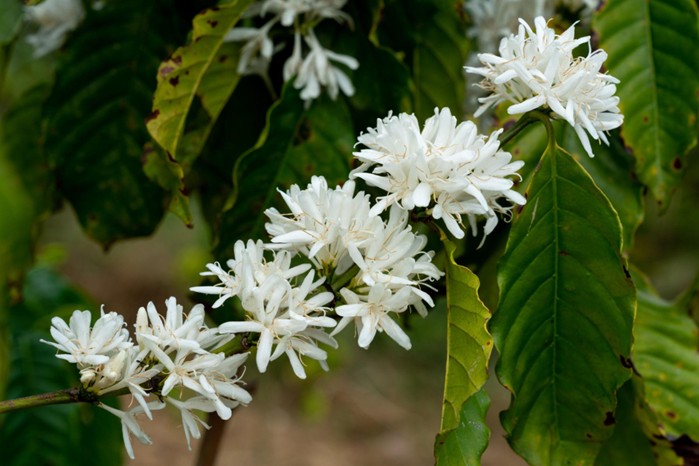
Coffee is typically grown from seeds or seedlings in loose, well-drained, and nutrient-rich organic soil. The plant prefers a cool tropical climate with partial shade. Farmers need to maintain adequate soil moisture, apply organic fertilizers regularly, and prune the plants to support healthy growth and high fruit yield. Coffee grows best in tropical climates, fertile highland regions, and at suitable elevations.
After harvesting ripe coffee cherries, the beans are processed using two main methods:

- Wet processing: the outer pulp is removed, the beans are fermented, washed, and then dried.
- Dry processing: the whole cherries are dried under the sun before the outer layers are removed.
The beans are then roasted at appropriate temperatures to develop flavor, and finally ground and brewed into coffee beverages.