Tiếng Việt
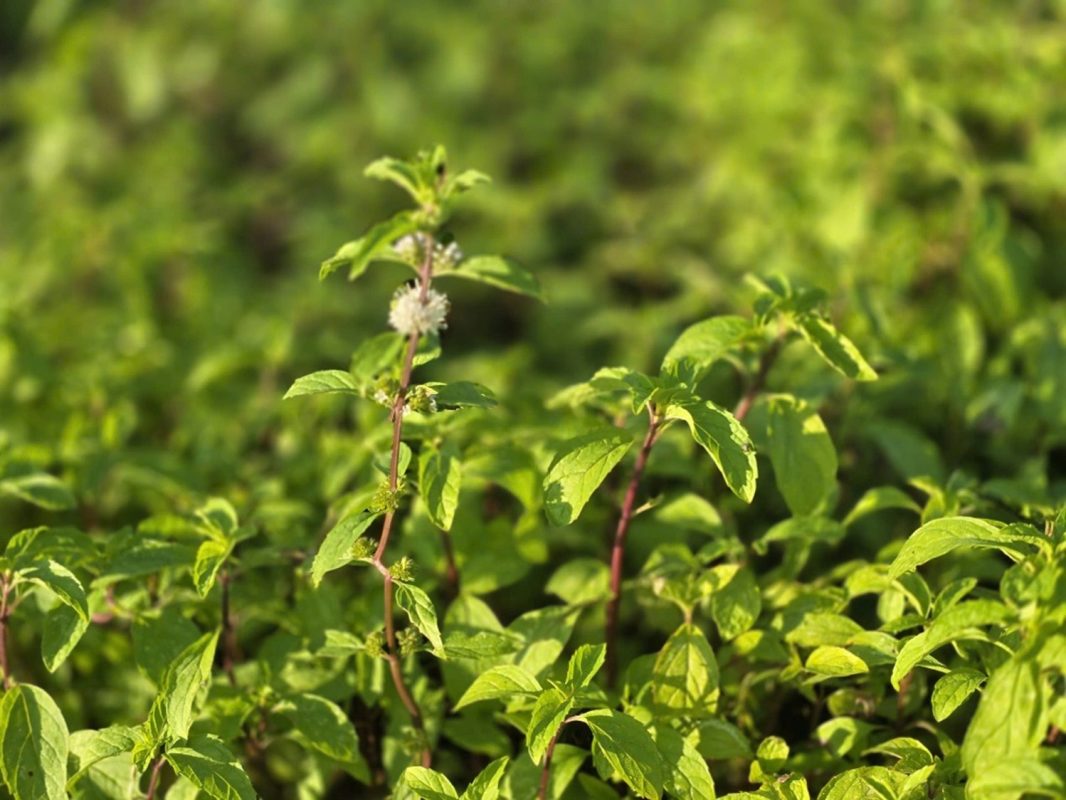
Description of Peppermint
Peppermint (Mentha × piperita) is a perennial aromatic herb belonging to the Lamiaceae family. It is characterized by a high menthol content, which produces a distinctive cooling and refreshing sensation. Peppermint is a natural hybrid of water mint (Mentha aquatica) and spearmint (Mentha spicata).
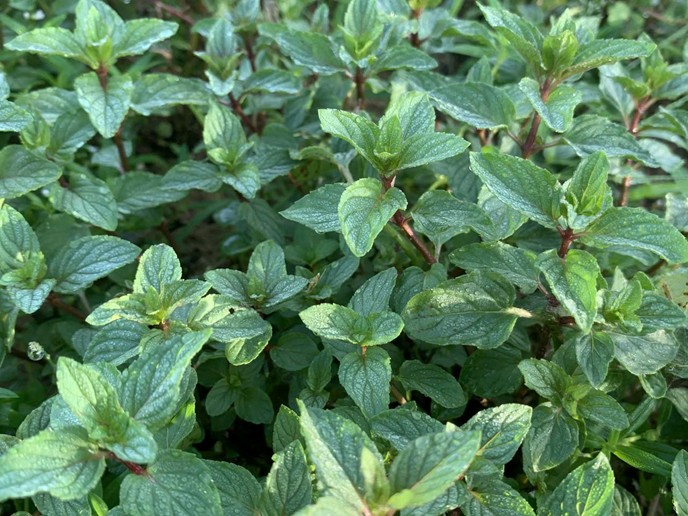
The plant has square stems, dark green serrated leaves, and small purple flowers. Compared to other mint species, peppermint has a stronger aroma and a more pronounced cooling effect, making it particularly suitable for herbal teas and wellness applications.
Enegertics of Peppermint
Peppermint carries an energetic quality that shifts from warming to cooling and drying. It is particularly suitable for individuals with cold and damp constitutions, while also being well tolerated by those with hot constitutions. In practice, peppermint creates a cooling, refreshing sensation and has a calming, soothing effect on the mind and nervous system
Health benefits of Peppermint
Peppermint (Mentha × piperita) contains a particularly high concentration of menthol, significantly higher than that of many other mint species. Most of its health benefits are derived from the physiological effects of menthol on the human body, especially on the nervous system, as well as its activity against fungi, bacteria, and certain toxins.
The primary mechanism of menthol is its ability to activate cold-sensitive TRPM8 receptors located on the skin, nasal mucosa, and oral cavity. When these receptors are stimulated, the brain perceives a cooling sensation, which helps calm the central nervous system, reduce neural overstimulation, and rapidly promote a sense of relaxation and mental ease.
Simply crushing a few fresh peppermint leaves between the palms and inhaling deeply can produce an immediate cooling and soothing effect. The refreshing sensation can be clearly felt in the nasal passages, throat, and scalp, as menthol-rich essential oils linger in these areas. Among herbal essential oils, menthol is considered one of the most potent and perceptible in its effects. Peppermint grown in sunny, warm climates and organic conditions often develops an especially high essential oil content, enhancing these therapeutic properties.
Menthol in peppermint has a mild and positive stimulating effect on the nervous system, helping to enhance mental alertness without causing excessive excitation. It supports emotional balance, reduces feelings of fatigue and mild low mood, and creates a sense of comfort and relaxation. With regular use, peppermint may contribute to mood improvement and help support individuals experiencing mild depressive symptoms.
Peppermint also has notable analgesic properties. It is commonly used in the form of essential oil massage or compresses to relieve headaches, muscle tension, and certain types of nerve pain. These effects are largely due to menthol’s cooling action and its ability to promote vasodilation, which improves circulation and the flow of vital energy.
Menthol helps clear the nasal passages, soothe the respiratory tract, and reduce nasal congestion and coughing. It is particularly beneficial for individuals experiencing breathing difficulties or asthma, as it helps relieve airway obstruction. In cases of colds or high fever, drinking a cup of hot peppermint tea can promote perspiration, allowing excess heat to be released from the body more effectively.
In the digestive system, menthol relaxes smooth muscles, helping to relieve bloating, belching, heartburn, acid reflux, spasms, and indigestion.
Peppermint also exhibits mild antibacterial and antifungal properties, enabling it to inhibit the growth of certain bacteria and fungi. This contributes to oral health, helps prevent bad breath, and explains why peppermint is a key ingredient in chewing gum and many toothpastes.
Its antimicrobial effects also make it effective in reducing dandruff and scalp fungal infections, which is why peppermint is commonly found in shampoos.
In addition, diluted peppermint essential oil can be applied topically to soothe itching, skin inflammation, and insect bites such as those from mosquitoes or bees.
How to use Peppermint
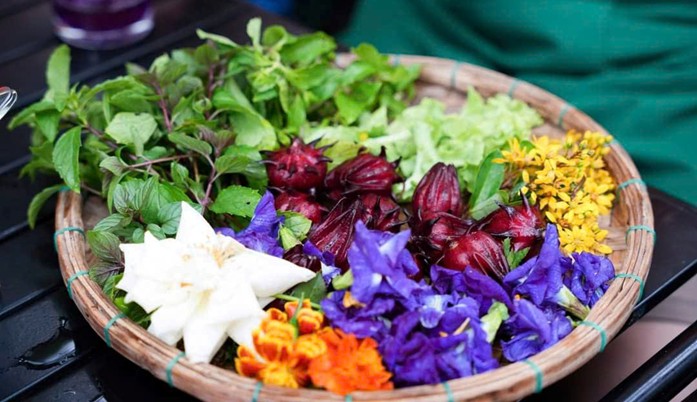
Peppermint can be used and prepared in many different ways.
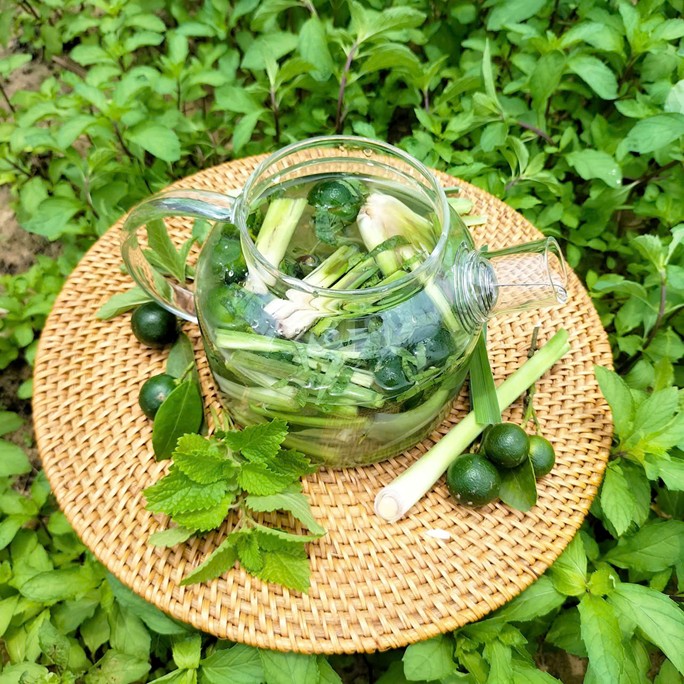
It may be used to make herbal tea or infused water, for cooking, medicinal alcohol, essential oil, concentrated extracts, bathing and washing, steam inhalation, oral care, foot soaking, compresses, and poultices.
When using pure peppermint essential oil, it must always be diluted with warm water or other carrier ingredients. Direct application of undiluted essential oil is not recommended, as it may cause skin or eye irritation and burns.
Peppermint tea preparation: Steep peppermint leaves in hot water for 3–5 minutes in a covered container to minimize the loss of essential oils. Drinking one cup of hot peppermint tea is a simple way to reduce stress, promote relaxation, relieve symptoms of colds, nasal congestion, and headaches.
Diluted peppermint essential oil or fresh or dried peppermint leaves boiled for 3–4 minutes can be used for foot soaking or full-body bathing after cooling to approximately 40–45°C. This helps improve circulation, open skin pores, support detoxification, promote relaxation, and improve sleep quality.
Peppermint can also be used for steam inhalation to relieve colds and nasal congestion, or for scalp massage to help reduce dandruff and fungal scalp conditions.
For oral care, peppermint tea may be consumed after meals or used as a mouth rinse to support oral hygiene and fresh breath.
Dosage should be adjusted according to individual needs and should not be excessive. People with severe gastroesophageal reflux disease should limit peppermint tea intake, as it may worsen heartburn. Excessive use of peppermint by breastfeeding women may reduce milk production.
Tips
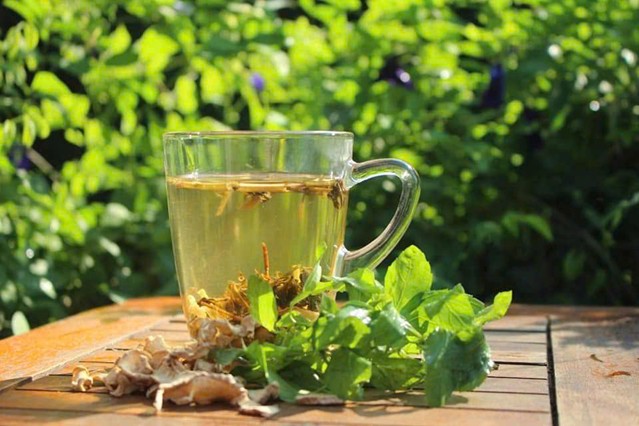
Menthol in peppermint not only cools the body but also has a cooling effect on the nervous system, helping to promote relaxation, mental comfort, and emotional lightness. This gentle neuro-modulating effect makes peppermint especially suitable for herbal teas, meditation practices, and natural mental wellness therapies. Regular use of peppermint can help cultivate a calm and relaxed state of mind, while supporting mental clarity, alertness, and emotional balance.
A cup of peppermint and ginger tea is so good for beginning a day, helps circulation and active all your body after a long time sleeping.
How to Grow and Process Peppermint
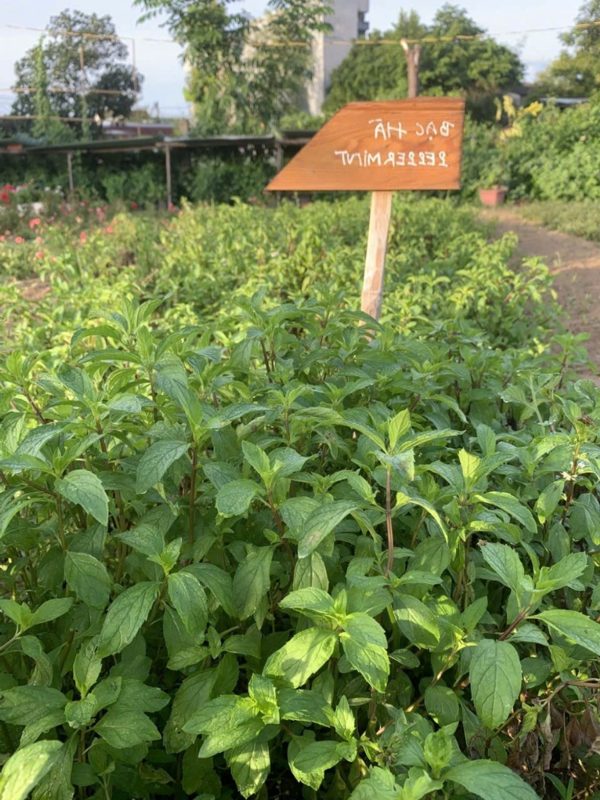
Peppermint is easily propagated by cuttings. Select healthy, firm stems that are not too old, and cut them into segments of approximately 10 cm in length. The soil should be loose, well-aerated, and enriched with organic fertilizer, and kept moist for 7–10 days before planting. Plant 3–4 cuttings together in each planting hole to form a small clump.
Peppermint prefers sunny conditions, and its essential oil content is higher during the sunny season than in winter. However, the plant requires consistently moist soil, so regular watering is necessary, especially during hot summer months, ideally twice daily. Peppermint grows best in spring, when sunlight is moderate and the climate is cool.
Regular harvesting is important, typically once a month. If plants are left unharvested for too long, the stems may become woody and dry, leading to plant decline. After harvesting, applying a thin layer of organic fertilizer and soil helps protect the roots from drying out and supports healthy regrowth and longevity.

After harvest, both the stems and leaves can be used. Peppermint can be dried naturally under sunlight or using a dryer at temperatures below 65°C until the material becomes crisp. The dried herb should be stored in airtight packaging, away from direct sunlight, and can be preserved for up to one year.
Dried peppermint leaves are commonly used for herbal teas, steam inhalation, compresses, herbal baths, and hair washing preparations.
Products containing Peppermint from our farm
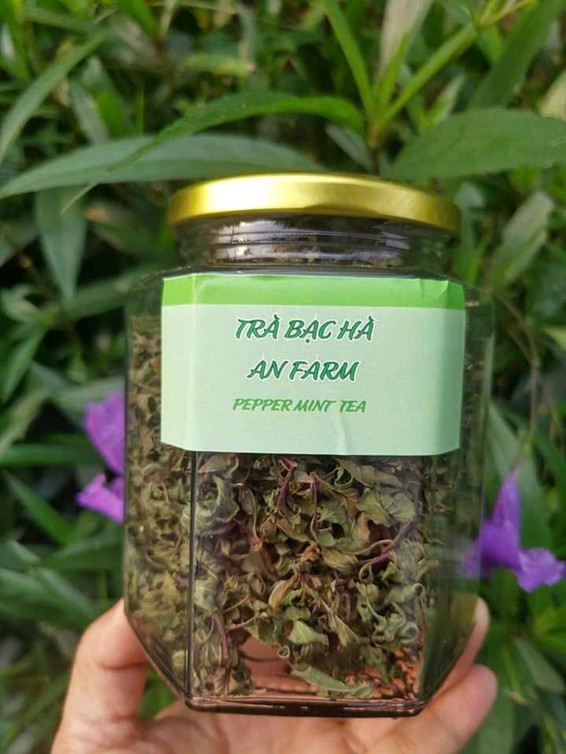
- Peppermint Tea
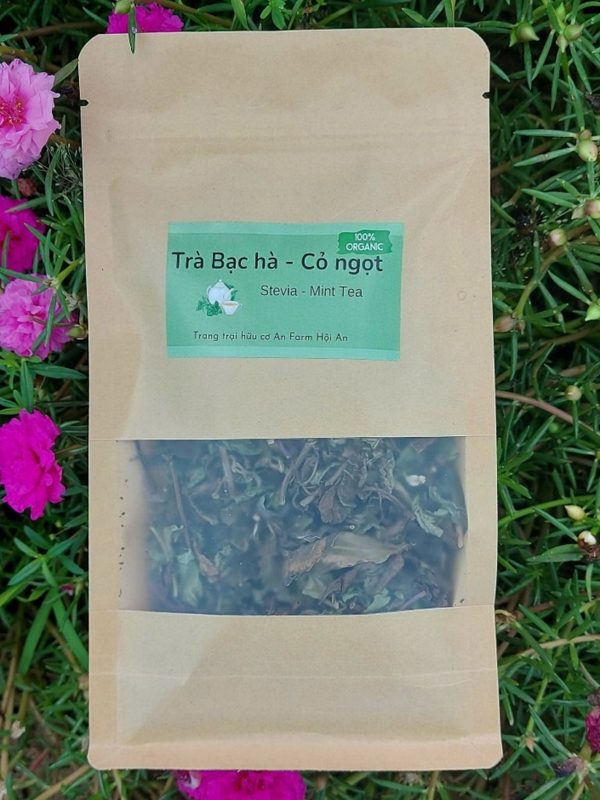
- Peppermint and stevia Tea
- Peppermint and hibiscus Tea
- Herbal Tea (ginger, lemongrass, basil and peppermint)
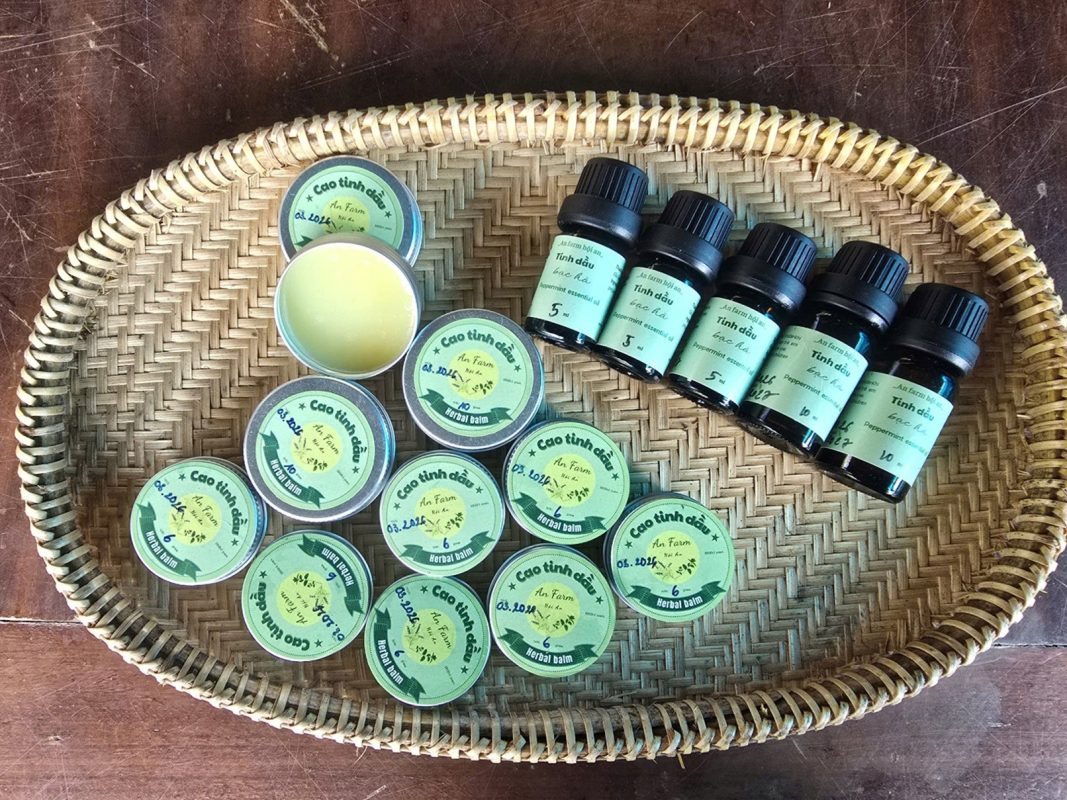
- Peppermint oil
- Herbal balm
- Herbal toothcare powder (peppermint, cinnamon and bettel leaf)